
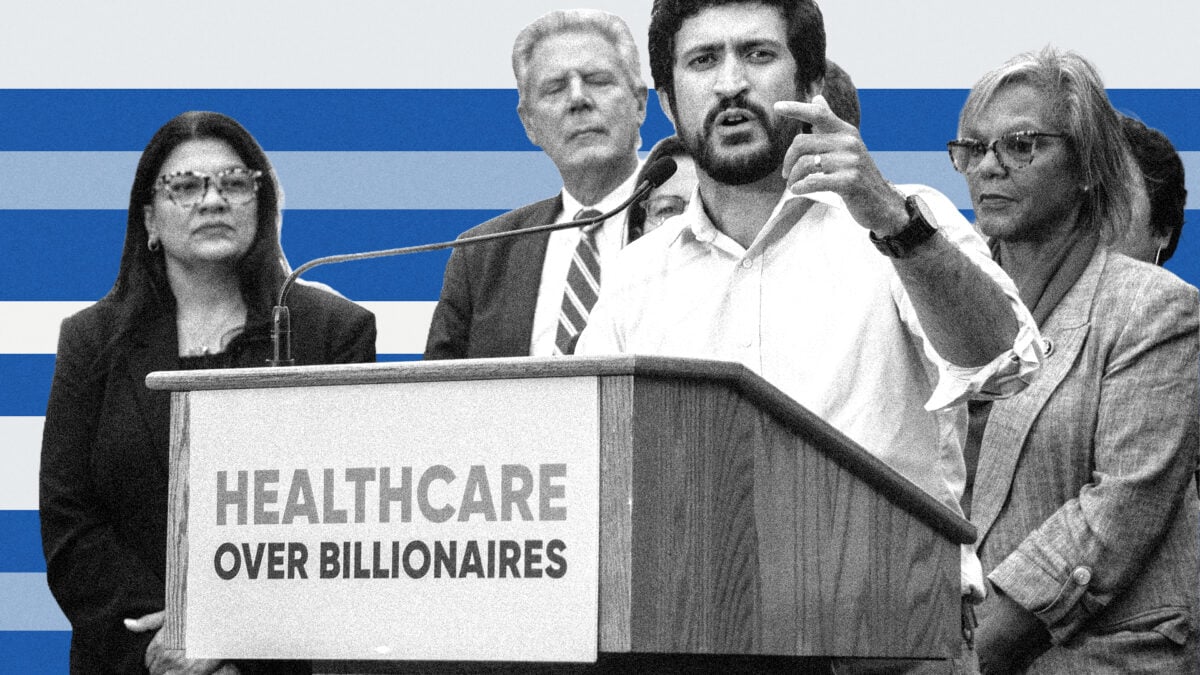
America Hates AI. Why Aren’t Democrats Doing Anything About It?
THE SO WHAT
When a sitting member of Congress frames the top AI risks as ‘mass unemployment, mass surveillance, and mass destruction,’ the Overton window for regulation is shifting toward hard constraints, not just transparency rules. Operators should assume more aggressive proposals are on the table and scenario-plan for licensing, usage caps, and sector-specific bans.
READ THE SOURCE
MORE FROM THE WIRE
 Applied AI
Partnering with Blacksmith
If agents can write production-scale code, the new bottleneck is proving that code is safe, performant, and compliant at the same speed. Expect “agent-era CI/CD” vendors like Blacksmith to become a required layer in any serious agent deployment, not a nice-to-have devtool.
Applied AIASI’s Buckendorf on Winning FAA, Military Deals
AI orchestration that can satisfy FAA and military procurement is a signal that 'agentic control planes' are maturing into regulated critical-infrastructure territory. If you sell into government or aviation, assume future RFPs will expect AI-native coordination baked into your stack, not bolted on.
 Applied AI
Meta’s Muse hits 10M U.S. downloads in 40 days, a milestone reached by only 11 other apps
Hitting 10 million U.S. downloads in 40 days with better retention than rival AI companions shows that distribution plus sticky daily-use loops can still beat raw model quality. If you’re building assistants, prioritize habit-forming surfaces and integrations over chasing marginal benchmark gains.
 Applied AI
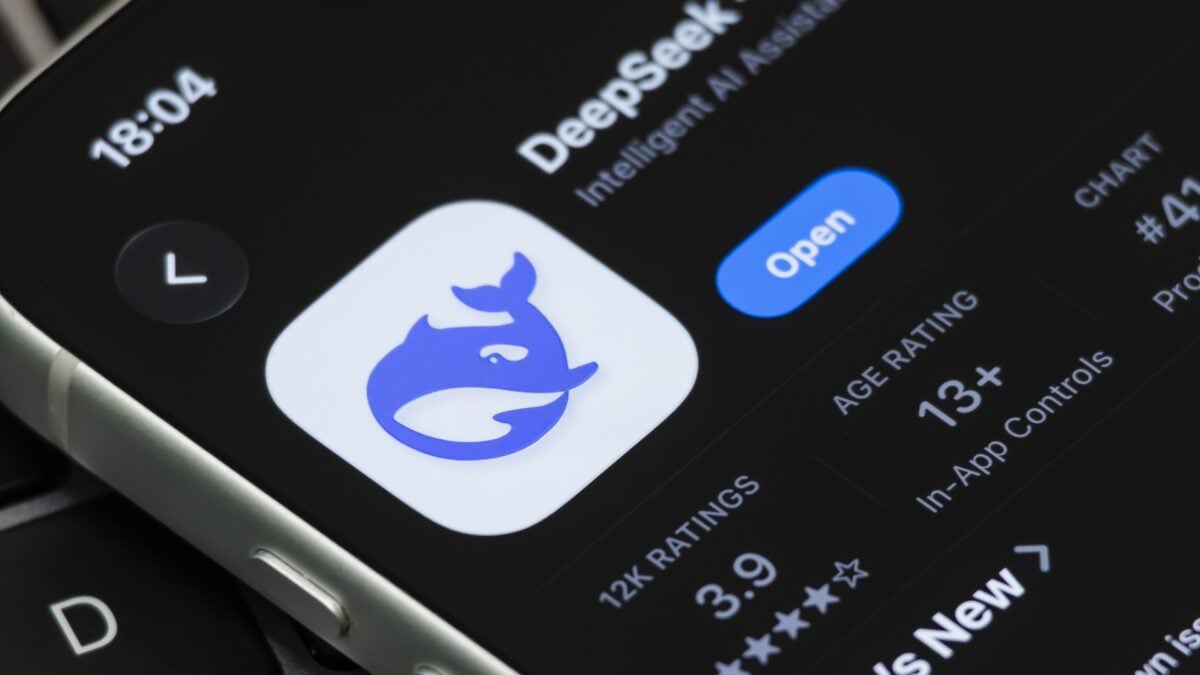
DeepSeek Dials Up the Pressure on OpenAI and Anthropic With Open-Source Inference Tool
An open-source inference platform like DeepInfer that explicitly targets U.S. enterprises is another step in Chinese open models competing on cost and flexibility, not just benchmarks. If you’re standardizing your AI stack, you now have to weigh geopolitical and compliance risk alongside TCO when considering Chinese-origin tooling.