

Apple opens Siri AI to every app, and plans a fee for expanded use
THE SO WHAT
Apple opening Siri AI to every app — with a coming fee for expanded use — turns Siri into a metered platform primitive for iOS, macOS, and visionOS. If you build on Apple, you now have a powerful new intent surface but also a future COGS line; prototype the UX now and model the economics before Siri becomes a hard dependency.
READ THE SOURCE
MORE FROM THE WIRE
 Applied AI
I tried Apple’s Siri Recaps. They’re surprisingly useful — and a little unsettling
If Siri Recaps is already sticky despite privacy unease, ambient summarization is about to become a default behavior layer on phones. App builders should assume their content and notifications will be re-bundled by the OS—optimize for being summarized and queried, not just opened.
 Applied AI
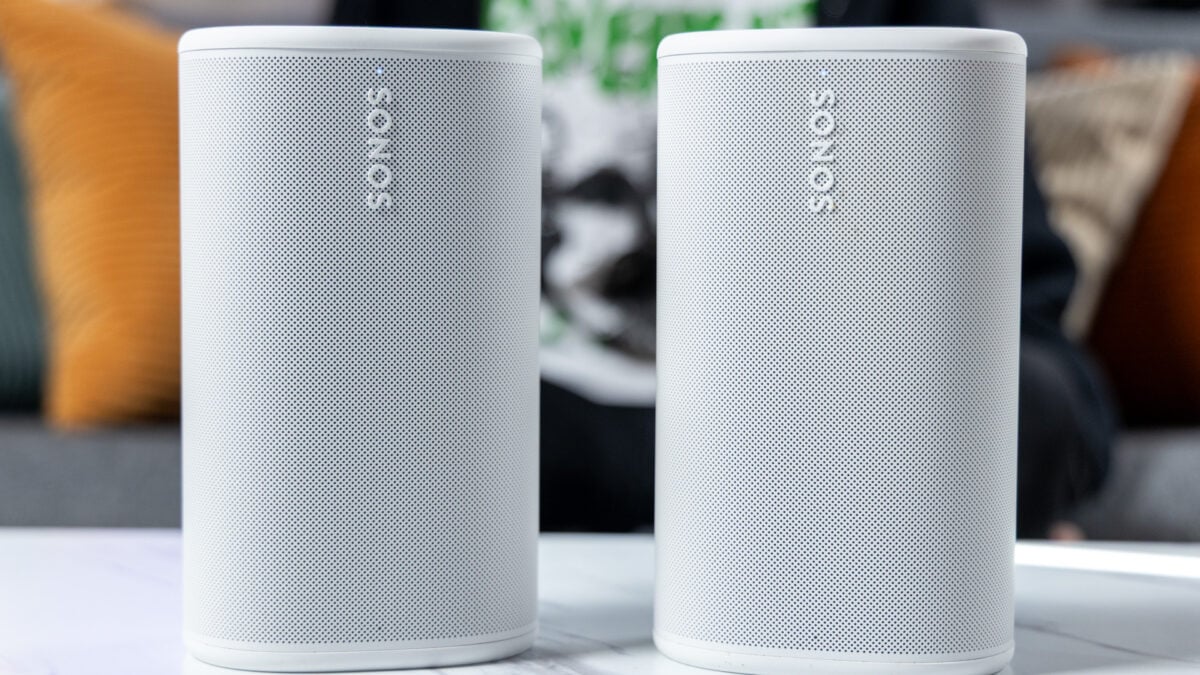
Sonos Is Giving Its App a Heavy Dose of AI
Sonos baking a more natural voice assistant into its app is another step toward every consumer device vendor owning a thin, branded assistant layer. If you build media or smart-home integrations, plan for fragmented voice surfaces — not just the big OS assistants — and prioritize where your users actually control playback.
 Applied AI
Uber only fulfilled 4 rides from AI agents last quarter
Four agent-driven rides in a quarter is a reality check — agentic disintermediation of marketplaces is still mostly a narrative, not a volume driver. If you're a platform worried about agents routing around your UX, you have time to experiment with your own agent APIs and incentives rather than rushing defensive restructures.
 Applied AI
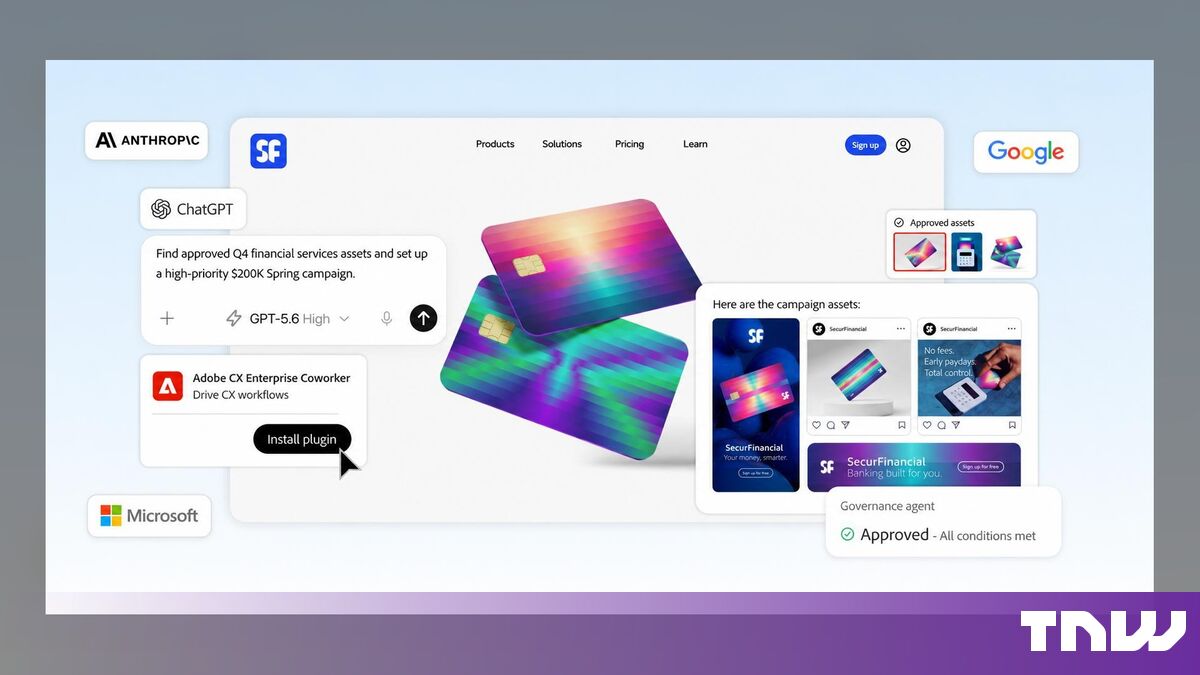
Adobe puts its marketing AI agent inside ChatGPT, Claude and Copilot
Adobe wiring its CX Enterprise Coworker into ChatGPT, Claude, Gemini, Copilot, Databricks Genie and more is a clear admission that the assistant layer is multi-tenant and you win by being everywhere. If you build SaaS around workflows, assume your users will invoke you from third-party assistants — invest in deep, secure integrations over yet another standalone chat UI.