
B.Grimm Raises Data Center Target With New Overseas Partner
THE SO WHAT
A 250 MW data center build from a Thai power producer is another data point that AI demand is pulling utilities directly into the compute stack. If you rely on hyperscalers in Southeast Asia, start treating power availability, grid stability, and local partnerships as first-order constraints in your capacity planning.
READ THE SOURCE
MORE FROM THE WIRE
 Deep & Emerging Tech
Italy Data Center Group Sees Investments Reaching €37 Billion
€36.9B of projected Italian data center spend through 2036 means AI demand is now reshaping national power, land, and permitting markets. If you rely on European compute, start mapping latency and regulatory tradeoffs across Italy versus traditional hubs like Frankfurt and Amsterdam — the cheapest capacity may not be where your stack lives today.
Deep & Emerging TechSamsung Posts Record Profit but Investors Question Sustainability of AI Spending
Record profits from AI-driven demand are colliding with investor skepticism about how long hyperscaler capex can run at this pace. If you’re planning multi-year bets on memory, accelerators, or AI infra, build scenarios where spend growth normalizes sharply — and stress-test your payback periods against that curve.
Deep & Emerging TechAI Data Center Boom Ignites Bidding War for Critical TDK Unit
A bidding war over TDK’s HDD parts business is a reminder that AI data centers still lean heavily on spinning disk economics for cold and warm storage. Infra buyers should assume storage vendors’ costs and roadmaps will be shaped by whoever wins this asset—pressure your partners now on multi-year pricing and capacity guarantees.
 Deep & Emerging Tech
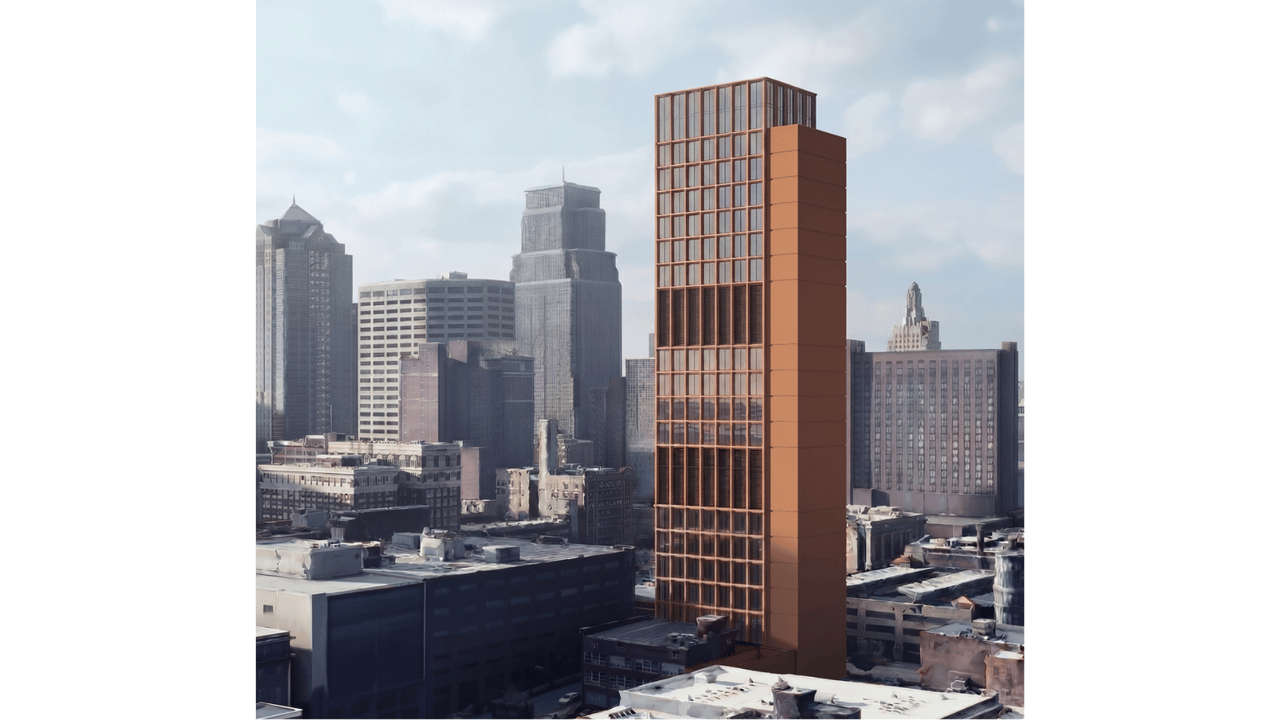
'This data center belongs downtown': Developer proposes 20-story vertical data center in Kansas City to trade suburban sprawl for urban density
A 20-story downtown data center proposal signals that land and latency constraints are starting to outweigh traditional suburban siting norms. If you depend on low-latency AI workloads, expect more edge and urban builds—and more friction with city planning, power, and cooling regimes.