
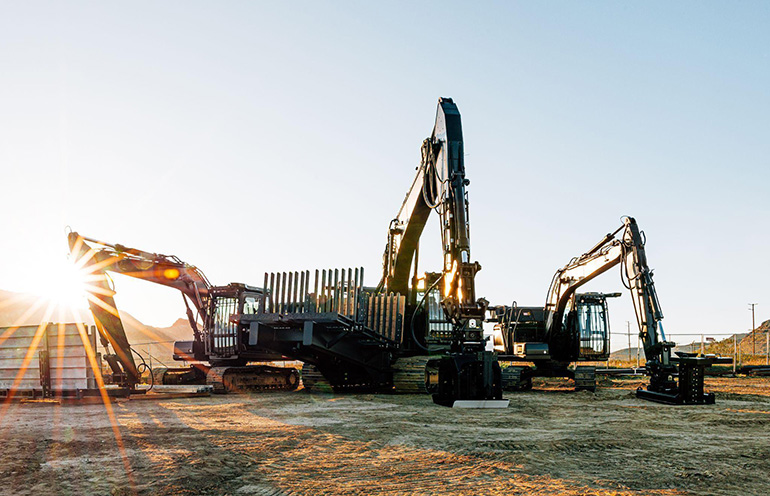
Blattner awards Built Robotics $75M contract for physical AI to help meet energy demand
THE SO WHAT
A $75m contract to deploy autonomous systems in solar construction is a concrete proof point that “physical AI” is moving from pilots to core infrastructure work. If you’re in energy or large-scale construction, it’s time to map which tasks on your sites are next in line for autonomy, not whether autonomy is coming.
READ THE SOURCE
MORE FROM THE WIRE
A $7,999 home robot joins the race to automate household chores
A $7,999 home robot with a $449/month option shows consumer robotics is testing car-level price points for ‘automation as a service.’ For robotics founders, the bar is now recurring, high-ARPU use — not gadget pricing — and you’ll be compared to a cleaning service, not a Roomba.
 Robotics & Autonomy
The two bets founders are taking in physical AI
Physical AI founders are splitting between narrow, revenue-backed deployment in known workflows and longer-horizon bets on general-purpose platforms. If you’re building in this space, you either need a clear path to near-term unit economics or a credible story for why your platform will be the default interface to multiple tasks.
 Robotics & Autonomy
This Robotic Exoskeleton Put a Spring in My Step
Wearable robotics like Dephy’s Sidekick ankle exoskeleton show that assistive devices can offload strain without full-blown humanoids. For industrial operators, the near-term play is augmenting workers in high-repetition tasks — budget for exoskeleton pilots before you budget for fully automated lines.
 Robotics & Autonomy
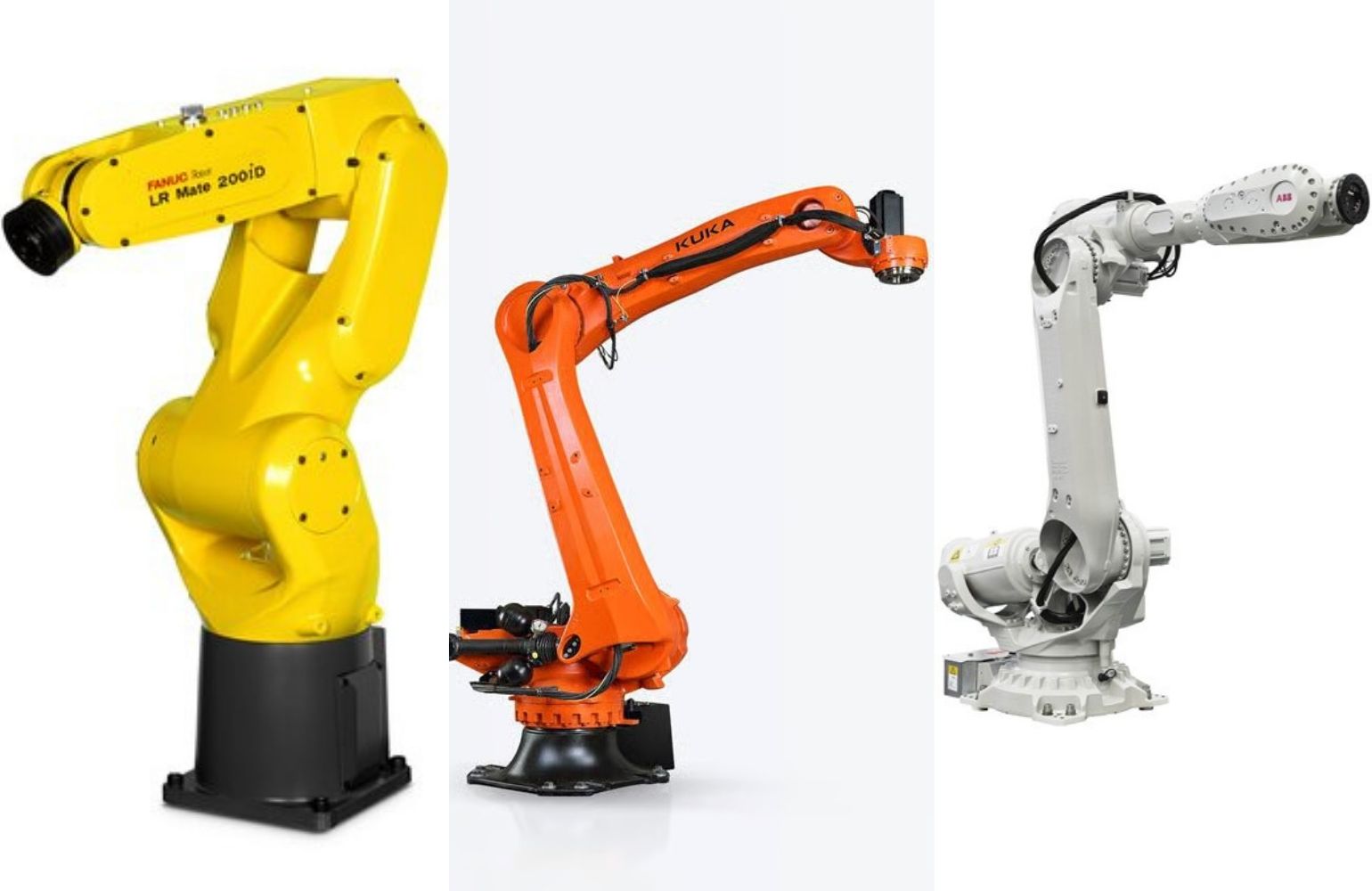
Why you should combine robot dexterity with mechanical positioning for complex assembly operations
The push to pair robot dexterity with mechanical positioning is a reminder that clever fixturing often beats brute-force perception for complex assembly. If you’re automating lines, your biggest gains may come from rethinking how parts are constrained and presented, not just upgrading the robot or vision stack.