

The two bets founders are taking in physical AI
THE SO WHAT
Physical AI founders are splitting between narrow, revenue-backed deployment in known workflows and longer-horizon bets on general-purpose platforms. If you’re building in this space, you either need a clear path to near-term unit economics or a credible story for why your platform will be the default interface to multiple tasks.
READ THE SOURCE
MORE FROM THE WIRE
 Robotics & Autonomy
This Robotic Exoskeleton Put a Spring in My Step
Wearable robotics like Dephy’s Sidekick ankle exoskeleton show that assistive devices can offload strain without full-blown humanoids. For industrial operators, the near-term play is augmenting workers in high-repetition tasks — budget for exoskeleton pilots before you budget for fully automated lines.
 Robotics & Autonomy
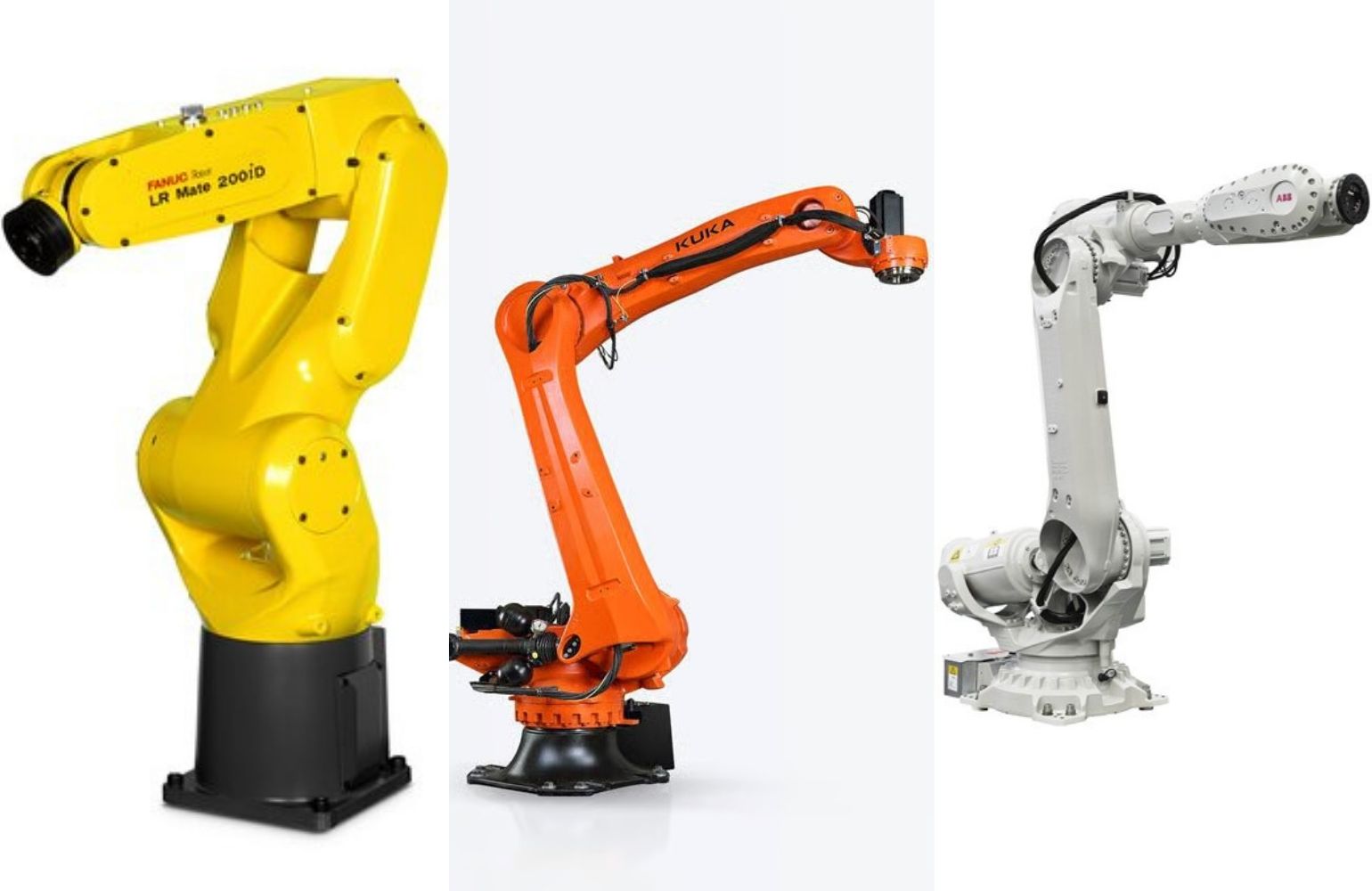
Why you should combine robot dexterity with mechanical positioning for complex assembly operations
The push to pair robot dexterity with mechanical positioning is a reminder that clever fixturing often beats brute-force perception for complex assembly. If you’re automating lines, your biggest gains may come from rethinking how parts are constrained and presented, not just upgrading the robot or vision stack.
 Robotics & Autonomy
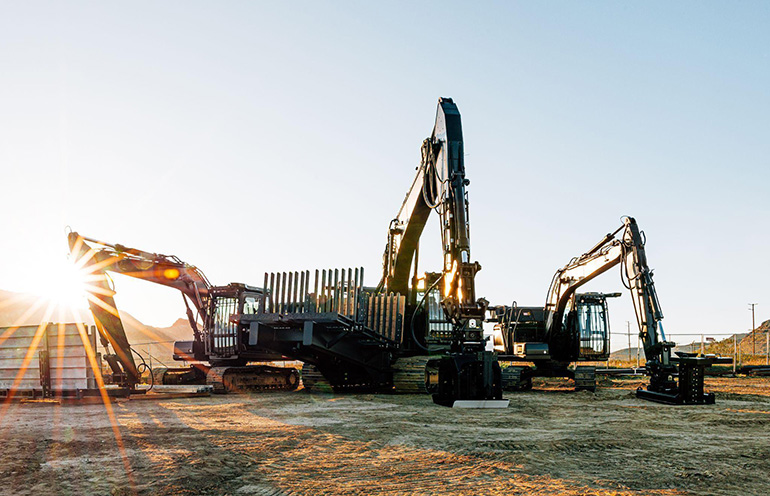
Blattner awards Built Robotics $75M contract for physical AI to help meet energy demand
A $75m contract to deploy autonomous systems in solar construction is a concrete proof point that “physical AI” is moving from pilots to core infrastructure work. If you’re in energy or large-scale construction, it’s time to map which tasks on your sites are next in line for autonomy, not whether autonomy is coming.
 Robotics & Autonomy
Quantum Systems More Than Doubles Valuation to $8 Billion in New Round
An $8 billion post-money for a German defense drone startup underscores how fast capital is re-rating dual-use autonomy. Builders in adjacent domains—sensing, targeting, logistics—should expect defense procurement cycles to compress and diligence to focus on deployability, not just tech novelty.