
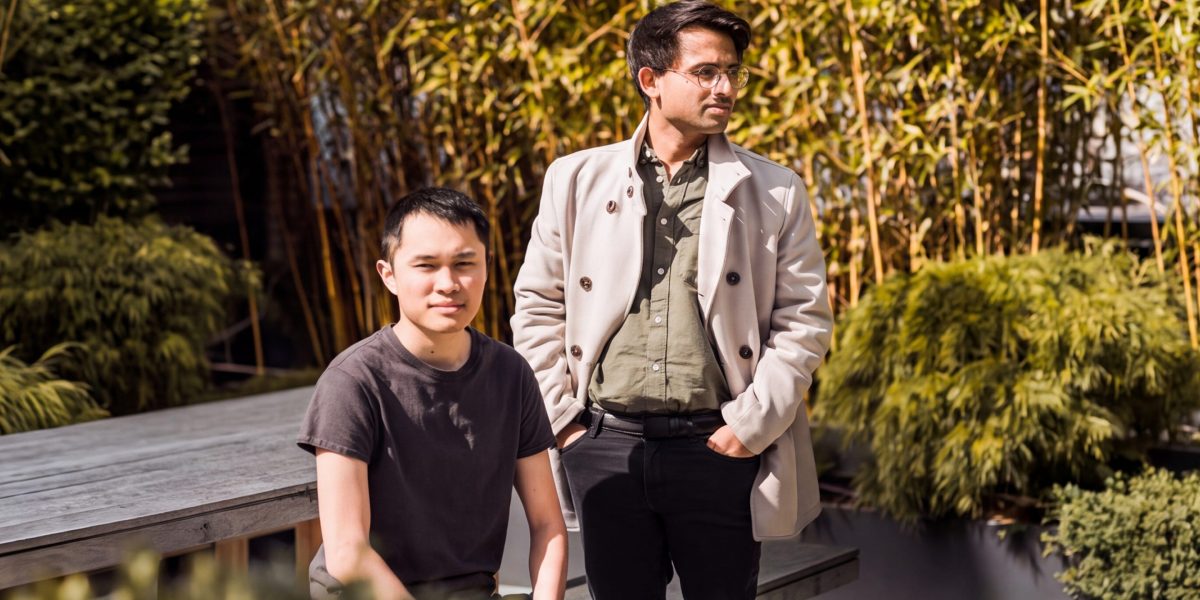
Bunkerhill Health, which uses AI agents for hospital tasks like managing wait times, raised a $25M Series B led by Khosla, bringing its total funding to $55M
THE SO WHAT
AI agents are moving from pilots to line items in hospital ops budgets—$55M into Bunkerhill is a bet that queue management, routing, and admin work become software-first. If you sell into providers, assume your buyer will soon have an agent layer you either plug into or compete with.
READ THE SOURCE
MORE FROM THE WIRE
 Startups & Venture
He backed Tesla and SpaceX before anyone else — here is the impossible bet he is making now
When a veteran like Tim Draper talks about an ‘impossible bet’ and missed waves, it’s a reminder that even early winners can mis-time bubbles. Use these narratives as prompts to revisit your own thesis drift—where are you clinging to a past conviction instead of re-underwriting based on current data?
Startups & VentureThe code AI forgot: logcat.ai raises $2.55M to put agents to work on device operating systems
Agents aimed at low-level Android and Linux debugging show that AI is moving below the app layer into firmware and OS internals. If you ship embedded or device software, assume your competitors will use tools like this to compress debug cycles and support costs—your advantage becomes hardware integration and domain knowledge, not raw engineering hours.
 Startups & Venture
Sable, which is building an AI agent named Aiden that lives on a company's website to run live product demos and more, raised $45M from Sequoia and 8VC
A $45M round for an on-site AI ‘sales rep’ is a bet that live, interactive demos and Q&A will become the default top-of-funnel experience. If your product is even moderately complex, you should be testing AI-driven demo flows now—before prospects start expecting this as table stakes.
 Startups & Venture
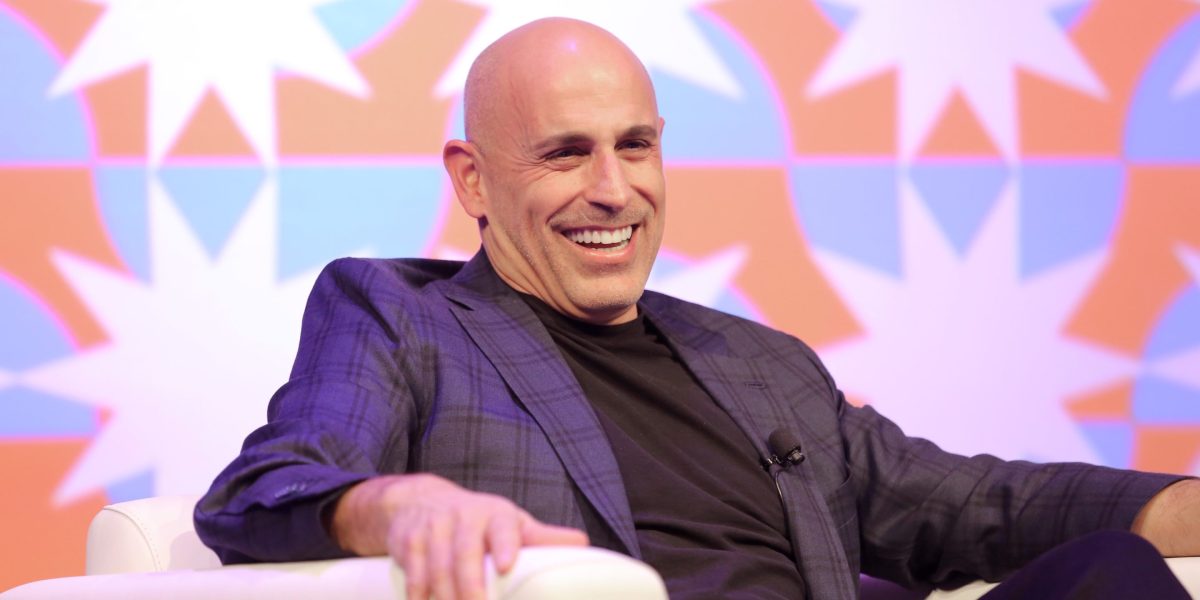
Grubhub parent Wonder raised a $650M+ Series D at a $9B valuation, bringing its total raised to $3B+ since its founding in 2018, and plans to go public in 2027
A $650M+ Series D at a $9B valuation for Wonder, with an IPO target in 2027, shows late-stage capital still backs integrated food and logistics plays despite delivery fatigue. Restaurant and CPG operators should assume more vertically integrated, data-rich intermediaries between them and the end customer—and negotiate accordingly.