

California Cracks Down on Robotaxis That Block First Responders
THE SO WHAT
California is turning emergency‑response interference into a finable offense for AVs—safety incidents are now a direct line item, not just a reputational risk. AV operators and city partners need to treat first‑responder integration as a core feature of the autonomy stack, with telemetry, override, and training baked into deployments.
READ THE SOURCE
MORE FROM THE WIRE
 Robotics & Autonomy
DoorDash says its new drone can get food to you in under five minutes
Sub‑five‑minute drone delivery is less a logistics breakthrough than a zoning and noise‑tolerance test—Amazon’s complaints in Texas show the constraint is community acceptance, not flight time. If you run last‑mile or Q‑commerce, start mapping where airspace and neighborhood politics will actually allow drones to be part of your service promise.
 Robotics & Autonomy
Inside Omron’s next-generation LD mobile robots
When a major vendor says software, safety, and fleet management matter as much as the robot, the control point is shifting from hardware to orchestration. If you're speccing mobile robots, evaluate the fleet stack and safety tooling as hard as you evaluate payload and speed.
 Robotics & Autonomy
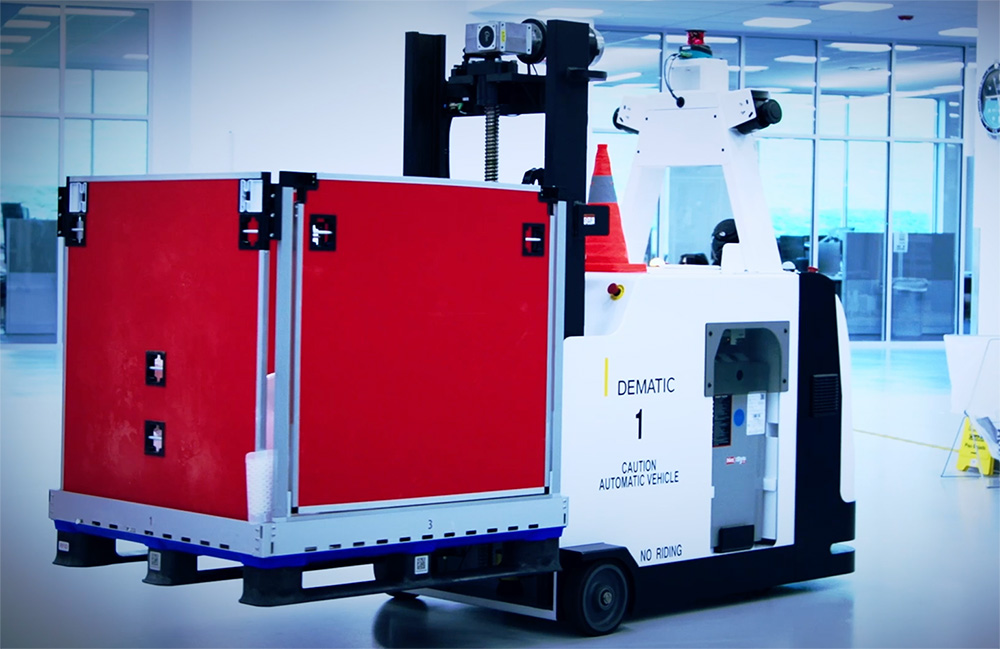
Eli Lilly, Purdue to share field learnings on human robot interaction at RoboBusiness
Eli Lilly and Purdue sharing real manufacturing-floor data on how workers perceive robots is a shift from lab demos to social integration metrics. If you’re piloting automation, treat human–robot interaction and acceptance as first-class KPIs alongside throughput.
 Robotics & Autonomy
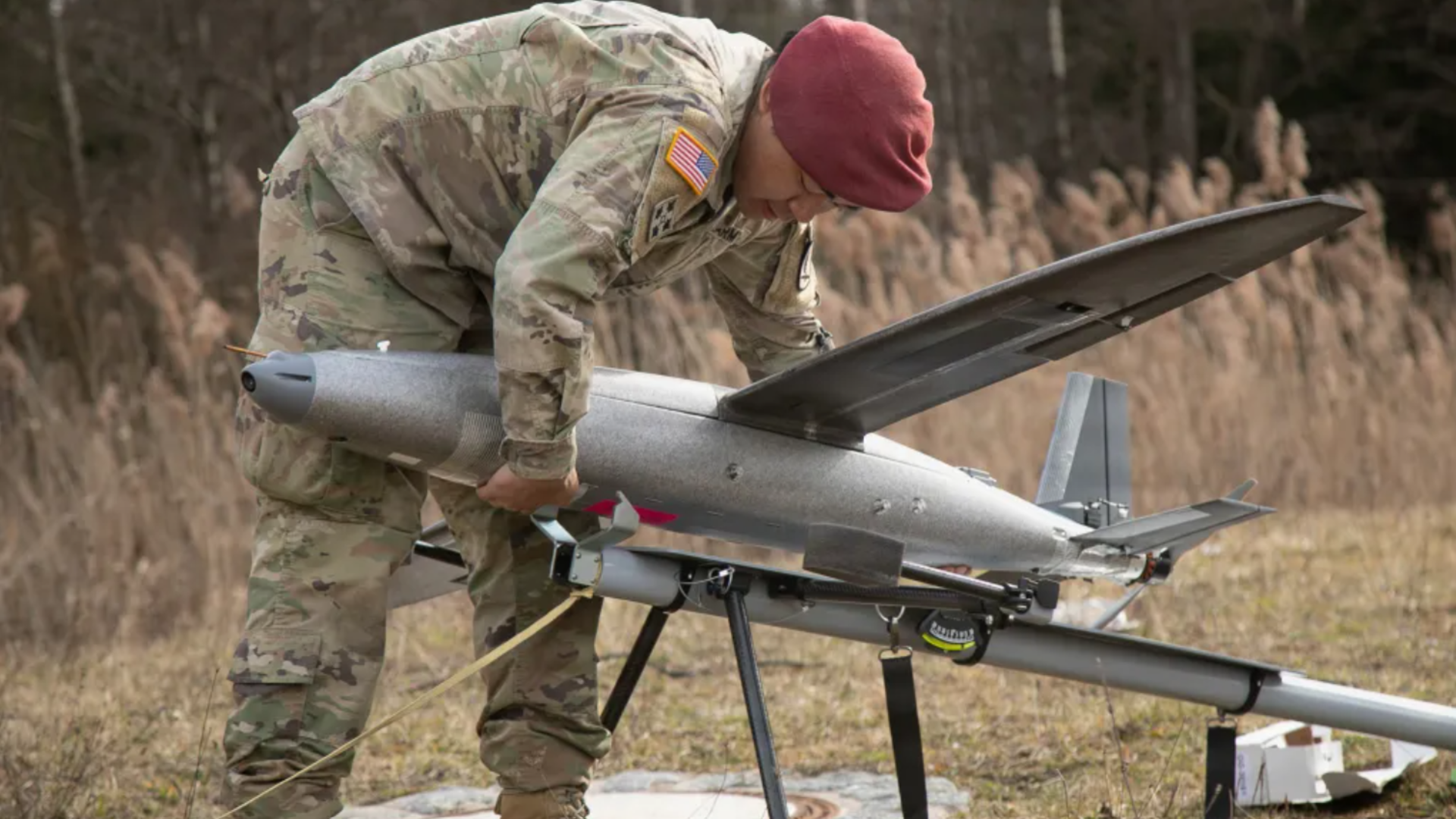
Ukraine drone chief targeted by $20 million Russian bounty warns 'humanity is losing control' as AI becomes a 'digital panopticon'
Frontline operators are already treating AI-enabled drones as a surveillance and strike panopticon—governance is lagging the deployed reality, not the research roadmap. Defense, dual-use, and infra vendors should assume norms and export controls will tighten around autonomous targeting and sensor fusion over the next 12–24 months.