
China's Next AI Race Goes Beyond Chatbots
THE SO WHAT
China leaning past chatbots into physical-world AI is a signal that the next competitive front is robotics, industrial systems, and infrastructure, not just LLM UX. Western operators with China exposure should map where their supply chains intersect with Chinese physical AI plays over the next 3–5 years.
READ THE SOURCE
MORE FROM THE WIRE
 Robotics & Autonomy
Japanese startups are racing to enter defense drone production, as Tokyo seeks to cut reliance on Chinese industrial drones, which control 91% of Japan's market
Japan treating a 91% Chinese share of its industrial drone market as a strategic vulnerability is a reminder that autonomy hardware is now national infrastructure, not just a tooling choice. If your operations depend on foreign-origin drones or autonomy stacks, expect more localization pressure, security reviews, and procurement constraints over the next cycle.
 Robotics & Autonomy
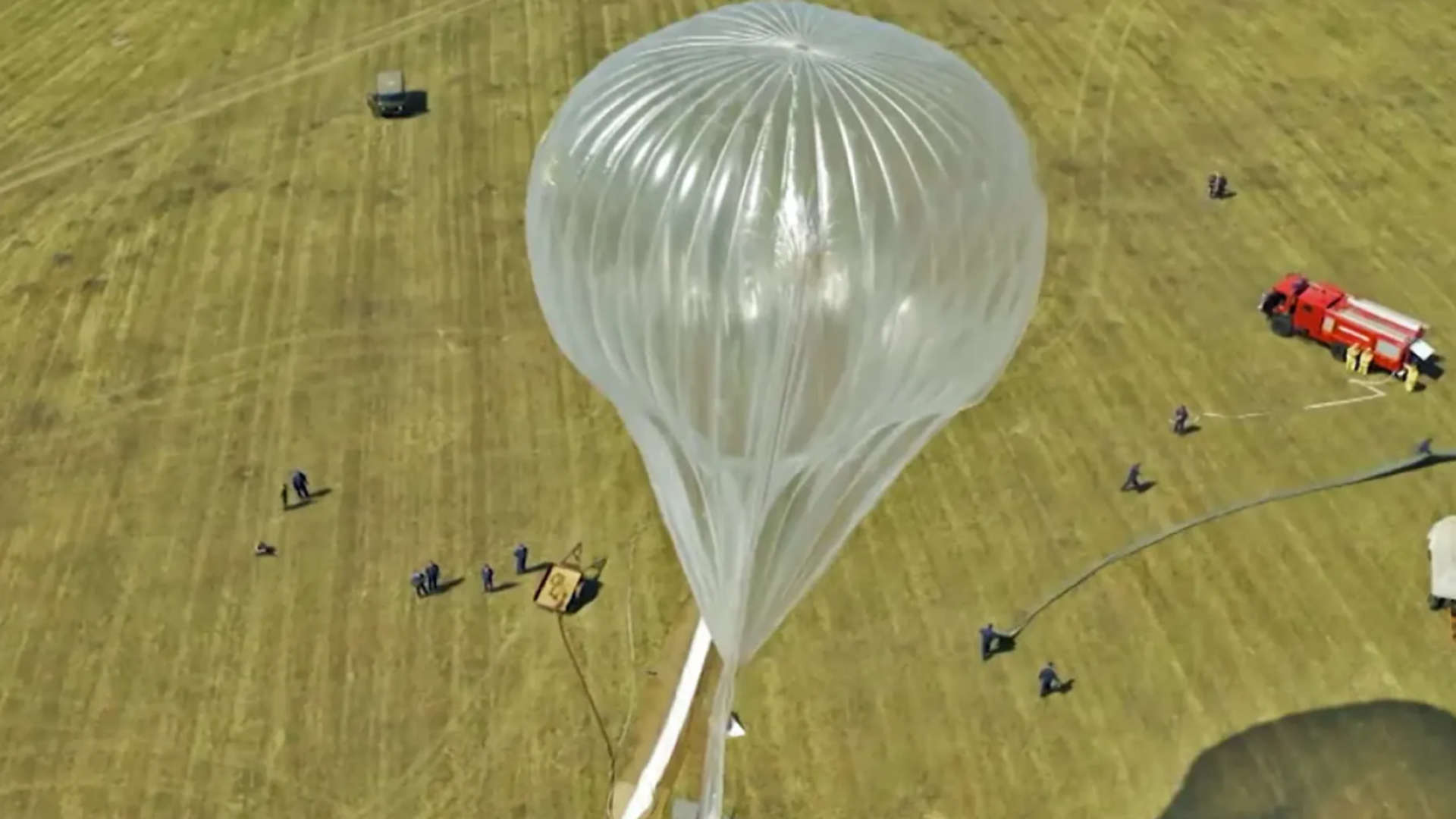
A stratospheric balloon could become a high-altitude drone carrier, capable of loitering for weeks and launching solar-powered UAVs
Persistent, balloon-based UAV carriers turn high-altitude coverage into more of a logistics and weather-modeling problem than a propulsion problem. Defense, telecom, and ISR operators should be modeling where multi-week loiter plus cheap solar drones beats satellites or crewed aircraft on cost and responsiveness.
 Robotics & Autonomy
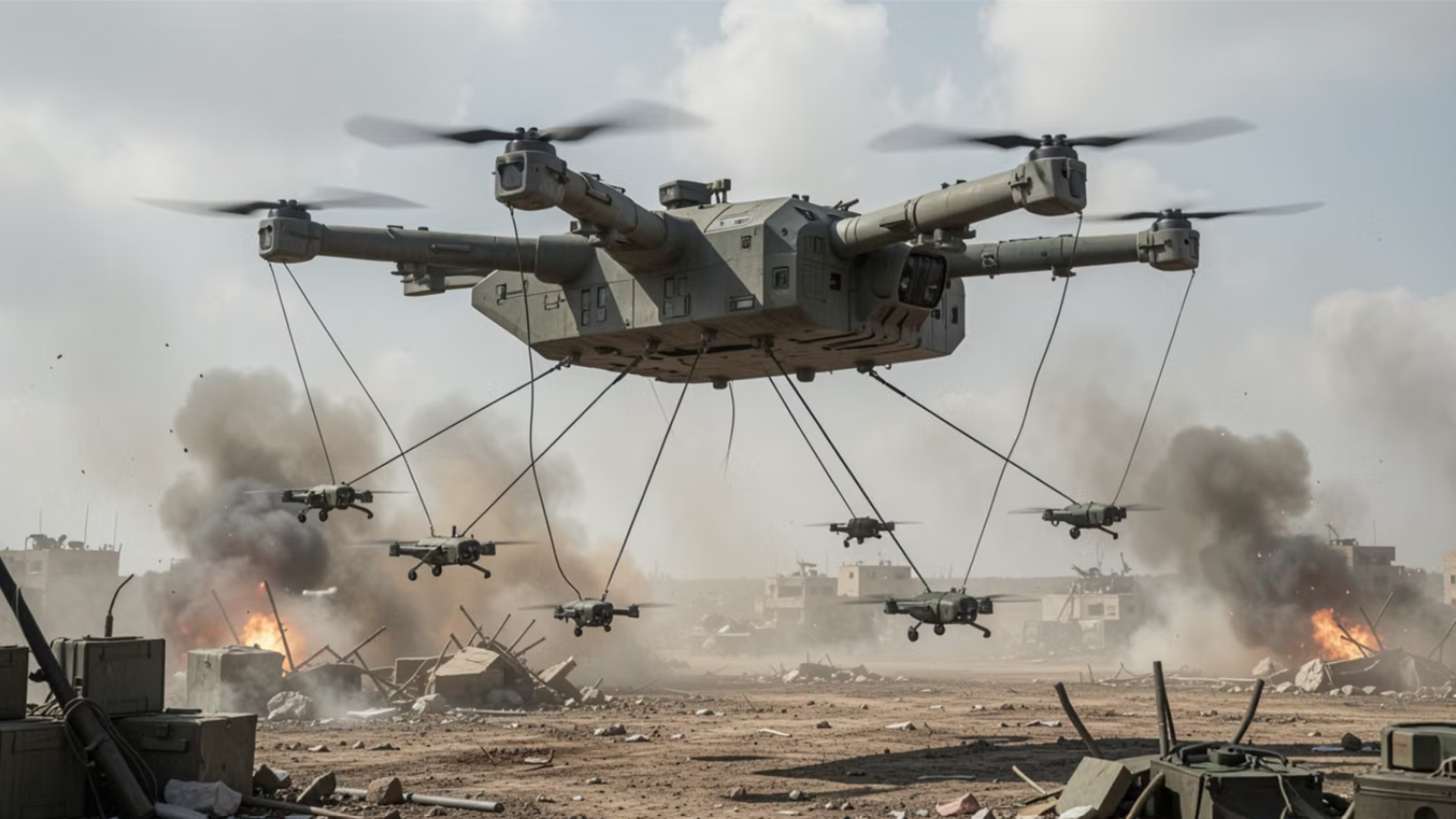
Russia is planning a tethered mother drone carrying up to six wired mini spy UAVs
Tethered 'mothership' drones that power and control multiple wired scouts trade range for persistence and jamming resistance—this is a systems architecture play, not just a new airframe. Defense and critical-infra operators should assume more resilient, layered ISR swarms are coming and pressure vendors for counter-swarm detection and EW roadmaps, not just anti-drone guns.
 Robotics & Autonomy
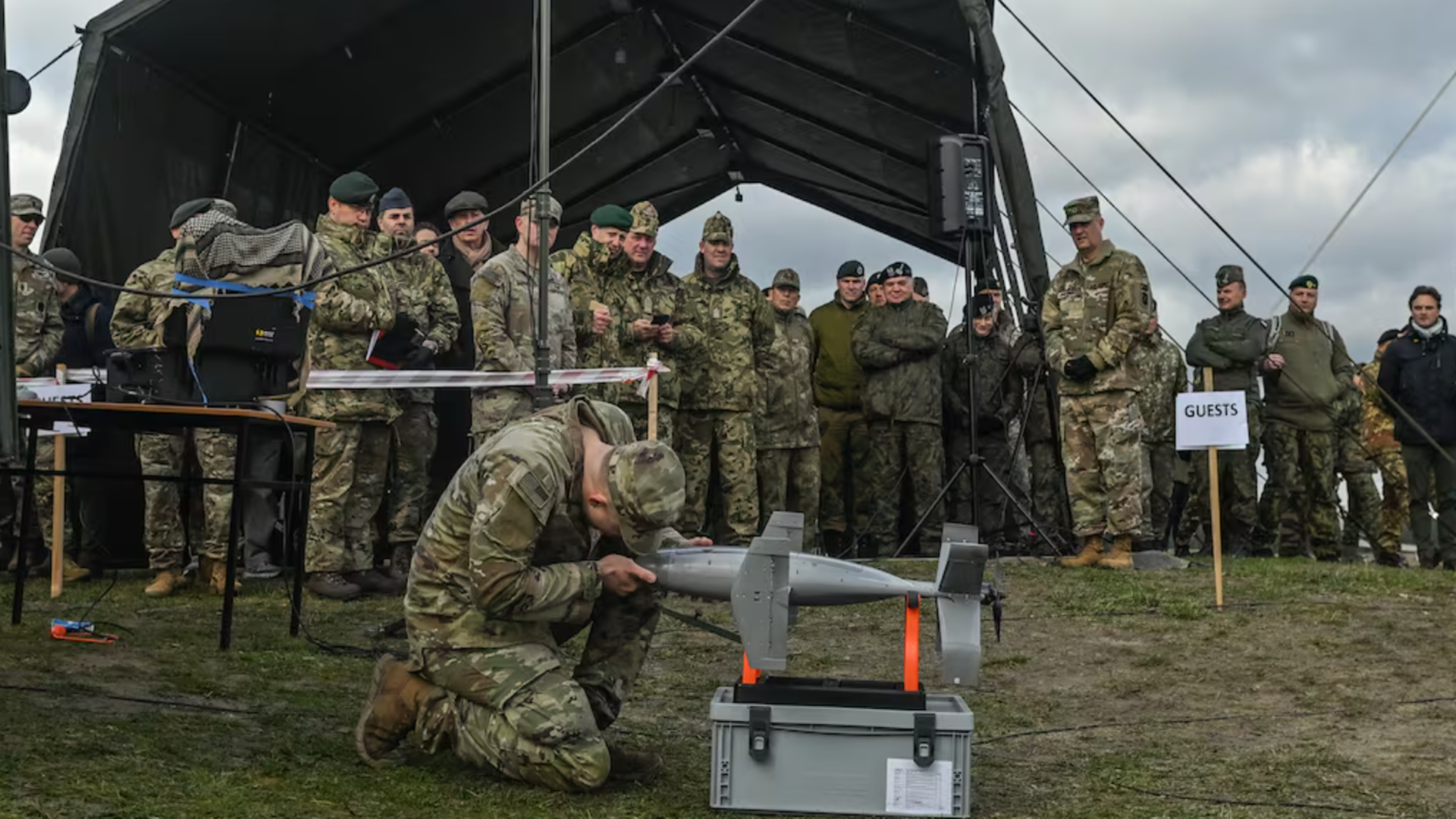
US confirms it will leverage Ukraine's expertise in military drones before competing to 'be the world champions'
Combat-proven Ukrainian drone tactics becoming part of the US playbook means the frontier for unmanned systems is shifting from hardware to rapid adaptation and doctrine. Defense and dual-use vendors should assume shorter iteration cycles and tighter feedback loops from real-world ops, not lab demos, will drive procurement.