

Deere faces headwinds in Q3 update and announces Reservoir R&D partnership
THE SO WHAT
Deere raising guidance while putting $10M into an agtech AI partnership with Reservoir shows that even in a choppy macro, incumbents are funding autonomy and decision-support in the field. If you sell into agriculture or heavy equipment, assume OEMs will want AI-native features that tie into their existing fleets and data, not standalone tools.
READ THE SOURCE
MORE FROM THE WIRE
 Robotics & Autonomy
Chinese automakers are following Tesla’s bet that robots are the next big profit machine
Chinese OEMs piling into humanoids off their EV manufacturing base means robot economics will be driven by auto-scale supply chains, not pure-play robotics labs. If you run a factory or logistics network, start mapping where automotive-grade humanoids could replace bespoke automation over the next 3–5 years, because pricing pressure will come from this cohort.
 Robotics & Autonomy
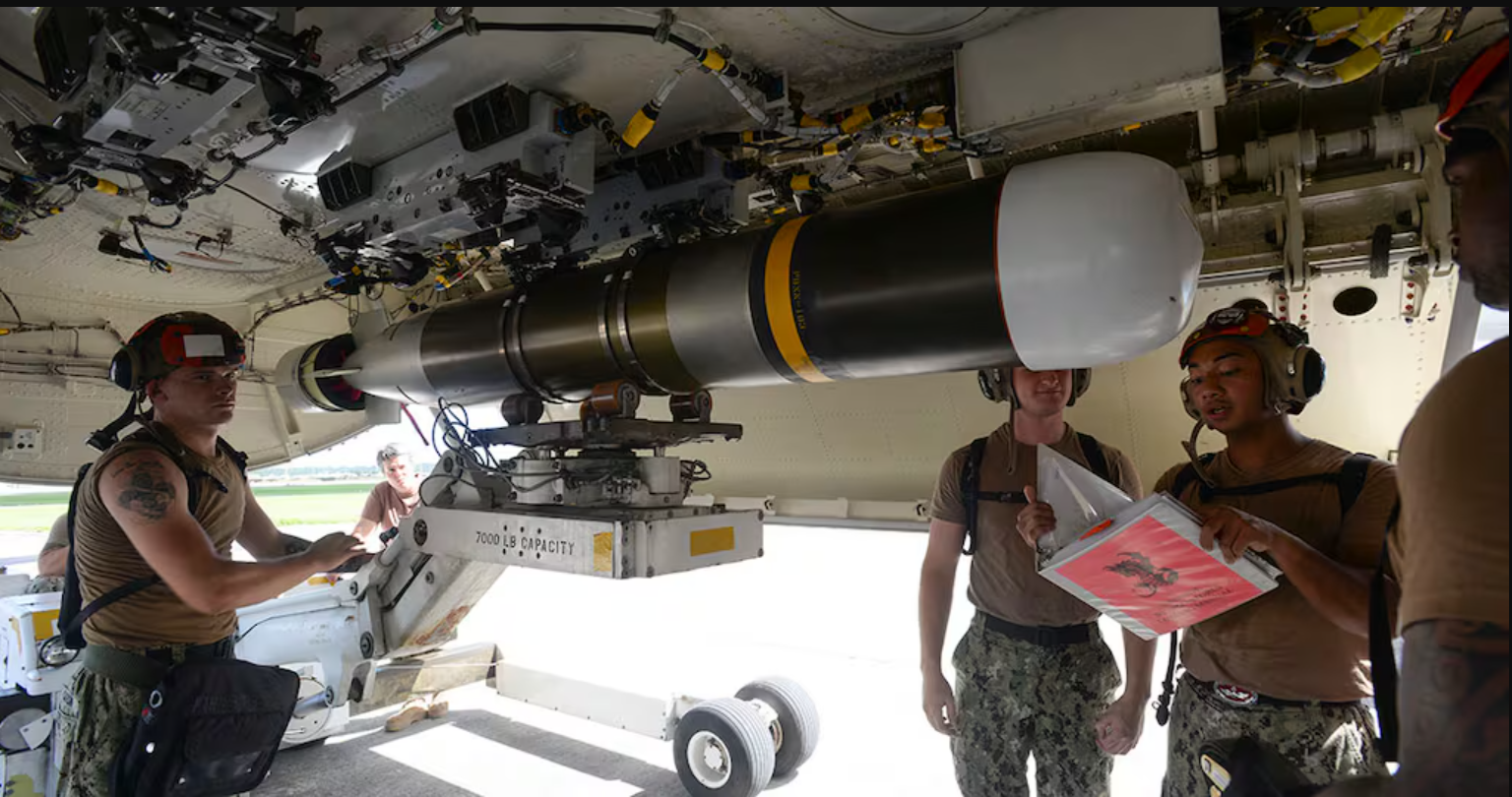
The US Navy wants its next drone-mounted torpedo to be able to glide silently through the air
Defense requirements for small, silent, glide-capable torpedoes on drones push the frontier of compact sensing, guidance, and low-signature propulsion. Dual-use founders in autonomy, materials, or power systems should read these specs as a roadmap for where defense dollars will concentrate over the next funding cycles.
 Robotics & Autonomy
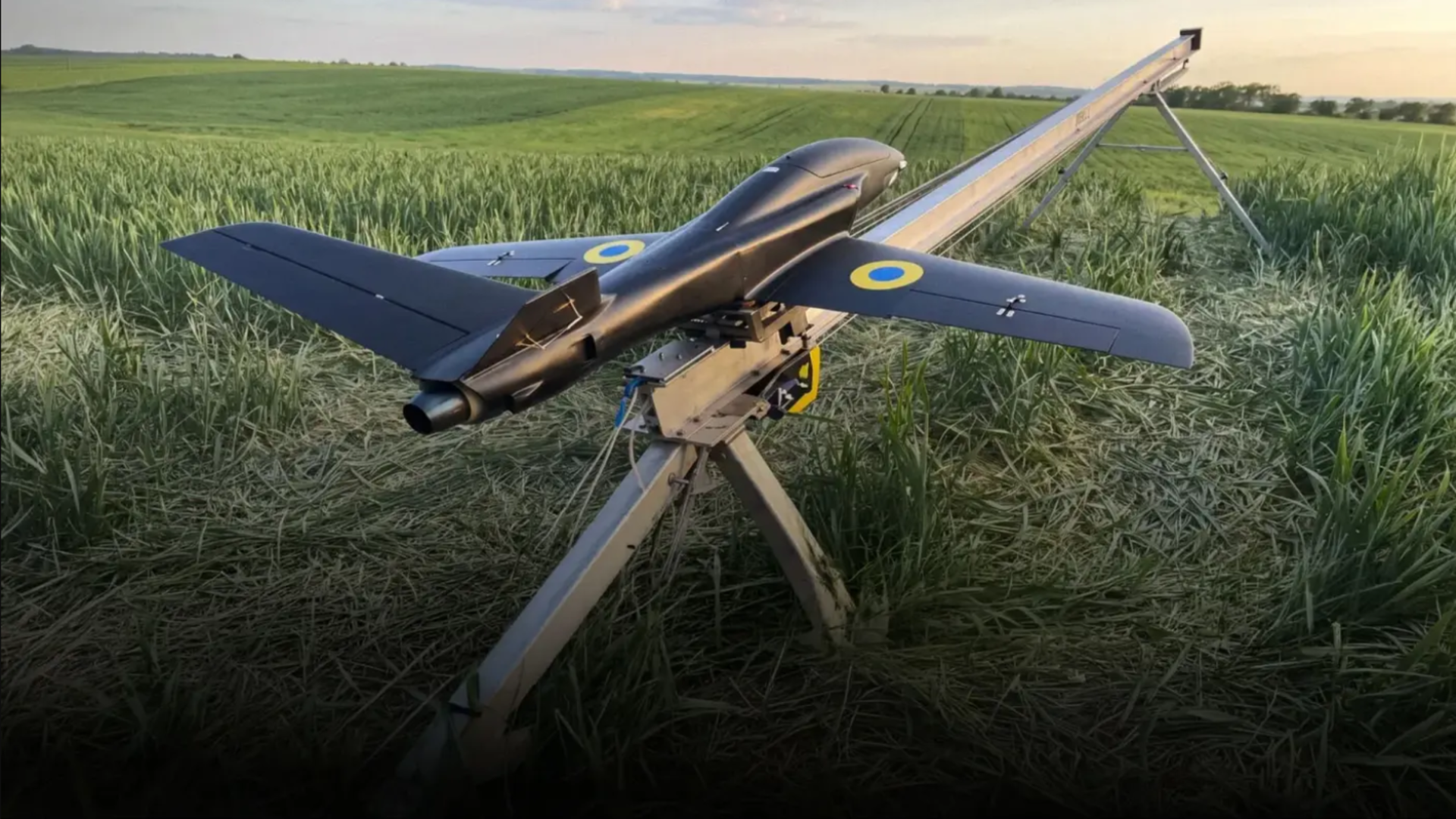
Ukraine has built its own jet-powered drone interceptor — and it'll easily fit in the back of a pickup truck
A reusable turbojet drone interceptor that fits in a pickup is another data point that low-cost, high-mobility air defense is becoming a software-and-manufacturing problem, not just a nation-state missile problem. Defense and critical-infrastructure operators should assume drone offense and counter-drone systems will diffuse quickly beyond traditional militaries.
 Robotics & Autonomy
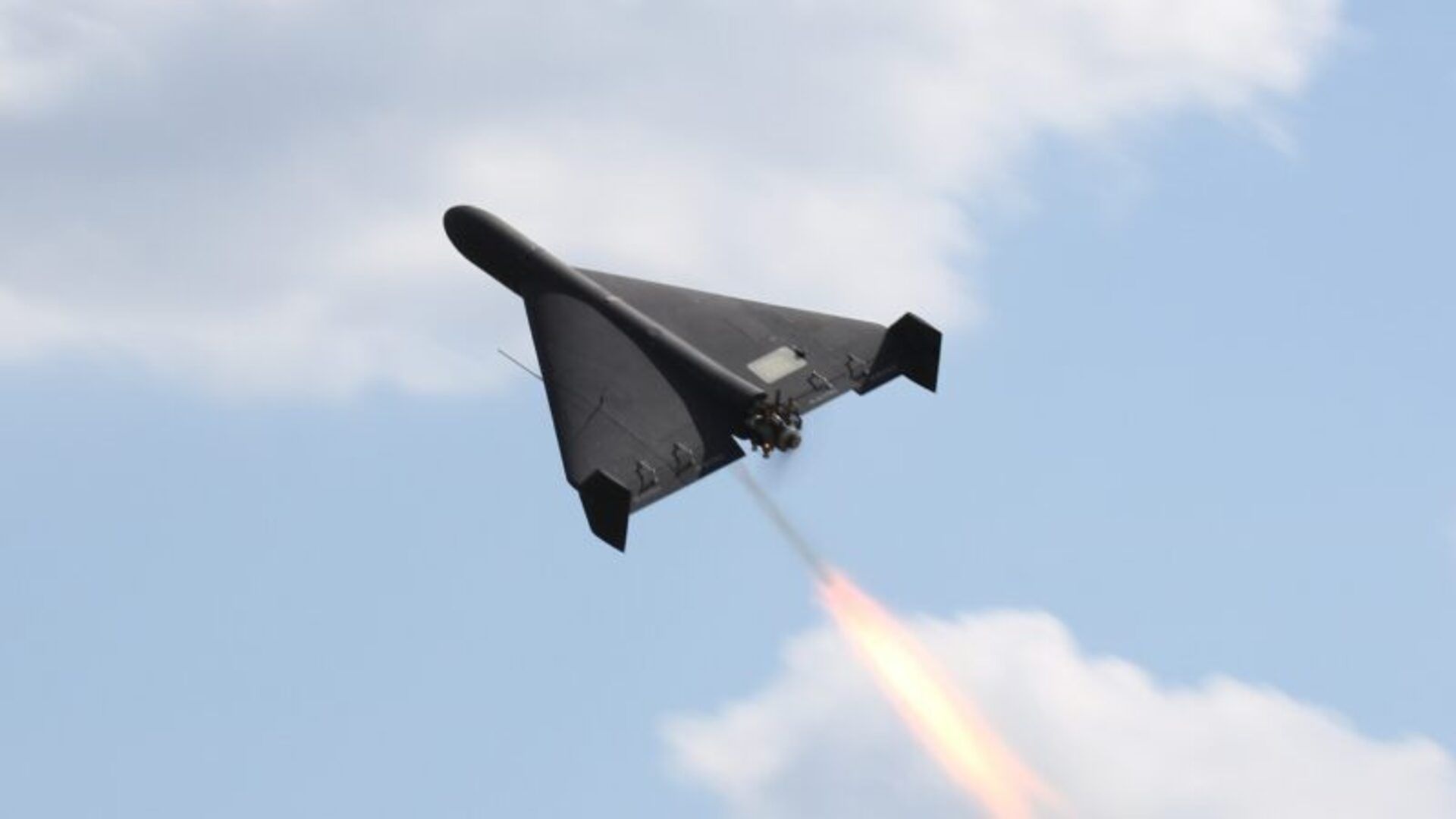
Russia says it will start selling its 'suicide drone' to foreign nations — but won't name them
Long-endurance loitering munitions like the Garpia-A1E going export-grade means more regions will have cheap, precise, asymmetric airpower on tap. Critical infrastructure, logistics hubs, and high-value facilities need to assume access to this class of drone and harden detection, dispersion, and redundancy accordingly.