

DOGE Veterans Are Landing Big Jobs at Prediction Markets
THE SO WHAT
Prediction markets are pulling in meme-coin operators because they know how to manufacture attention and liquidity under regulatory fog. If you’re building in this space, assume the competitive bar is not just product and UX — it’s community ops tuned for scrutiny from day one.
READ THE SOURCE
MORE FROM THE WIRE
 Deep & Emerging Tech
Sources: TSMC is developing advanced AI chip packaging tech, internally called "EMIB-like", similar to Intel's Embedded Multi-die Interconnect Bridge technique
If TSMC brings an EMIB-like bridge in-house, advanced packaging becomes less of a single-vendor differentiator and more of a baseline for AI accelerators. For infra buyers, the medium-term upside is more options on high-bandwidth multi-die designs — but also more complexity in qualifying heterogeneous packages.
 Deep & Emerging Tech
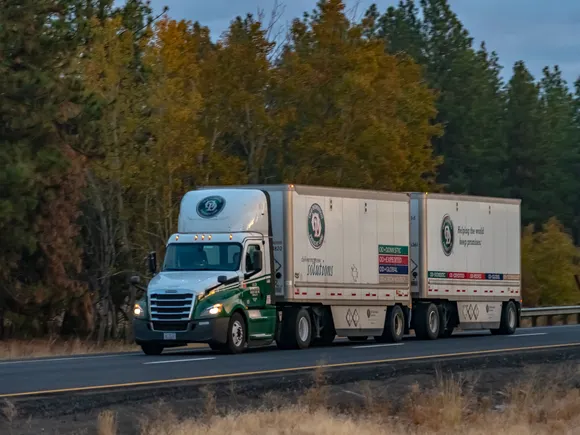
Old Dominion Freight Line reaches 70.1% operating ratio in Q2
A 70.1% operating ratio plus higher capex at Old Dominion means well-run carriers are reinvesting margin into network and equipment while others are still chasing volume. Shippers should expect service quality gaps to widen — and should be consolidating freight with carriers that are clearly funding long-term resilience.
 Deep & Emerging Tech
Next-gen Ryzen could be a monster: 5 clues from AMD’s Zen 6 reveal
Zen 6 hints that desktop and server CPUs will keep getting more AI-friendly and power-efficient, extending the useful life of general-purpose compute alongside GPUs. If you’re planning refresh cycles, don’t treat AI workloads as GPU-only — there’s likely headroom in upcoming CPU generations that can offload or complement accelerator spend.
 Deep & Emerging Tech
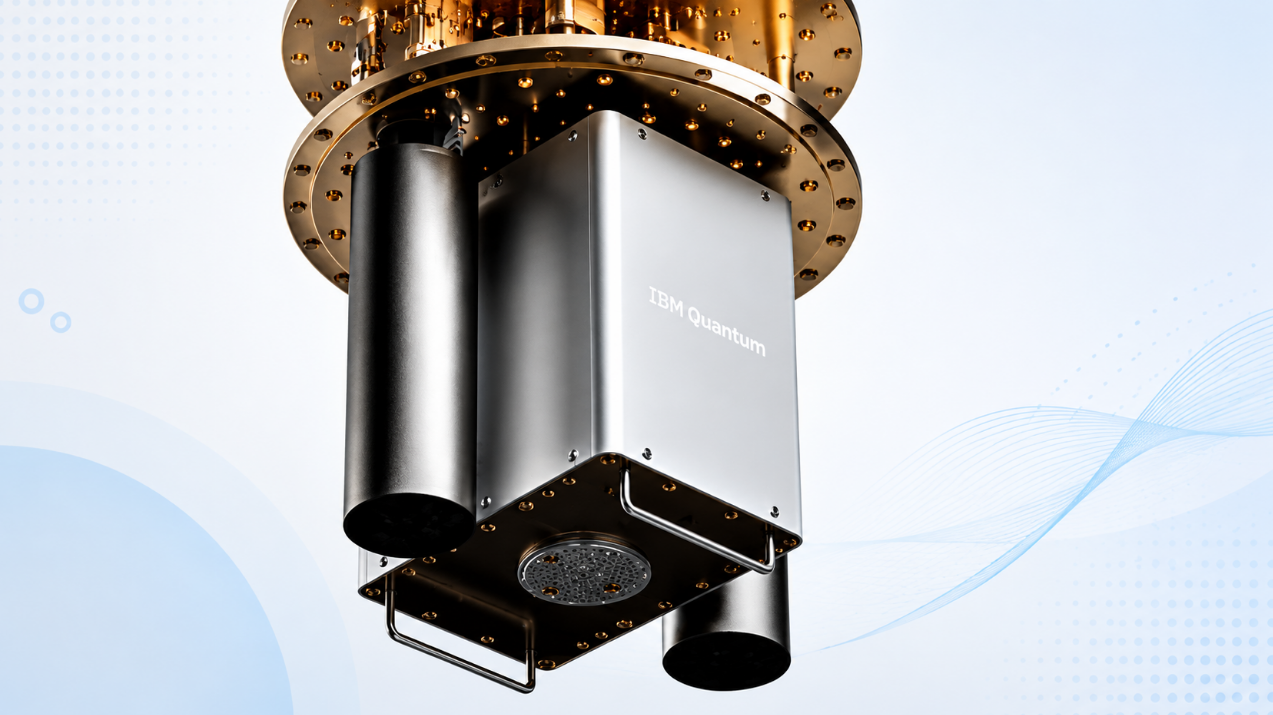
IBM and Qedma Demonstrate Error-Mitigated Quantum Simulation Beyond Classical Benchmarks
Error-mitigated quantum simulations edging past classical benchmarks move quantum from theory toward specialized tooling for materials and chemistry. R&D-heavy orgs don’t need to replatform yet, but it’s time to identify which simulation workloads might be first to benefit from quantum access in the next 3–5 years.