
Drone Threats Force Cities to Rethink Defenses
THE SO WHAT
Cheap, fast, hard-to-detect drones turn urban airspace into a security surface that cities were never architected to manage. For infrastructure operators, this is a nudge to map critical assets against low-altitude threat vectors and to expect new permitting, detection, and countermeasure requirements over the next few years.
READ THE SOURCE
MORE FROM THE WIRE
 Robotics & Autonomy
TechCrunch Mobility: Lyft has entered the robotaxi chat
A ride-hail player leaning into robotaxis means autonomy is shifting from pilot PR to core network strategy. If you operate in mobility or logistics, assume your unit economics will eventually be benchmarked against AV-augmented fleets, not human-only operations.
 Robotics & Autonomy
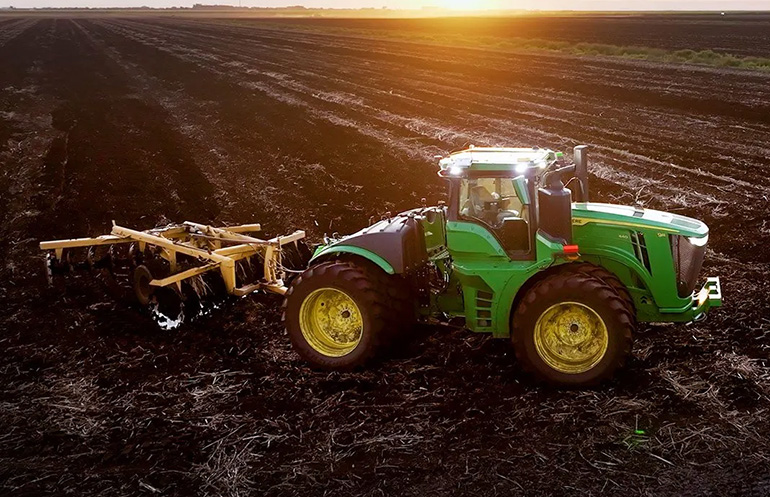
How autonomous fleets are changing what’s possible in American agriculture
Autonomous tractor fleets—like ASI’s work with U.S. Sugar and Everglades Equipment—turn labor-scarce, seasonal operations into 24/7 machine logistics problems. Ag operators should be mapping fields, implements, and service networks now, because once autonomy pencils out, deployment speed becomes the edge.
 Robotics & Autonomy
Ukraine Says Passenger Train Headed to Warsaw Hit by Drone
Civilian rail getting hit by drones near the Polish border underscores how quickly conflict risk can spill across infrastructure and jurisdictions. If your operations touch Eastern European logistics, revisit contingency plans for airspace closures, rail disruption, and insurance exclusions this quarter.
 Robotics & Autonomy
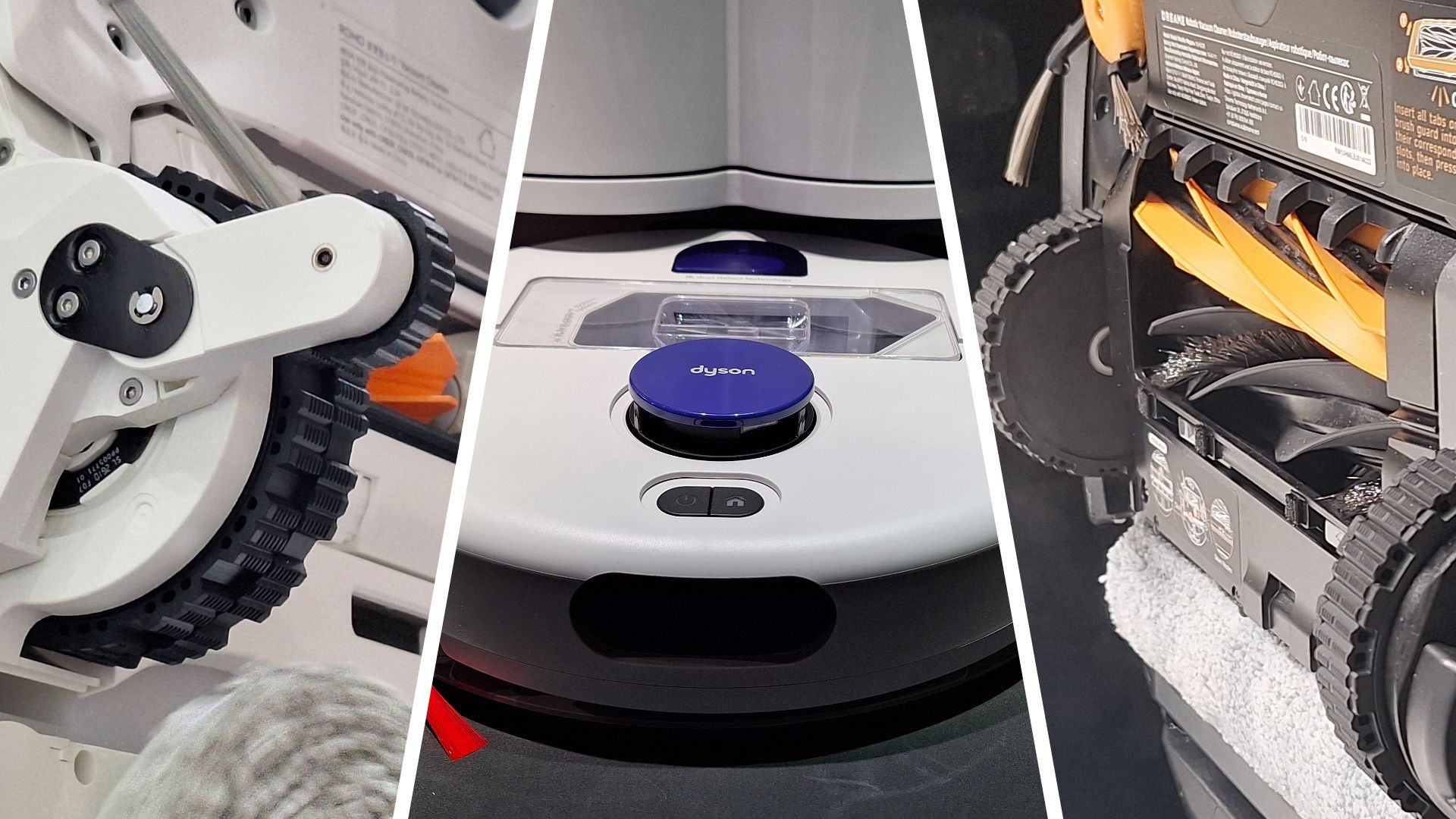
I've seen 2027's new robot vacuums — here are 3 major trends set to level-up their cleaning, from drop-down suction boosters to… steam?
Consumer robots are quietly becoming higher-power, higher-complexity appliances — drop-down suction modules and steam add mechanical and thermal risk that looks more like white-goods than gadgets. If you build in-home robotics, start designing for serviceability, safety certifications, and failure telemetry, not just smarter navigation.