
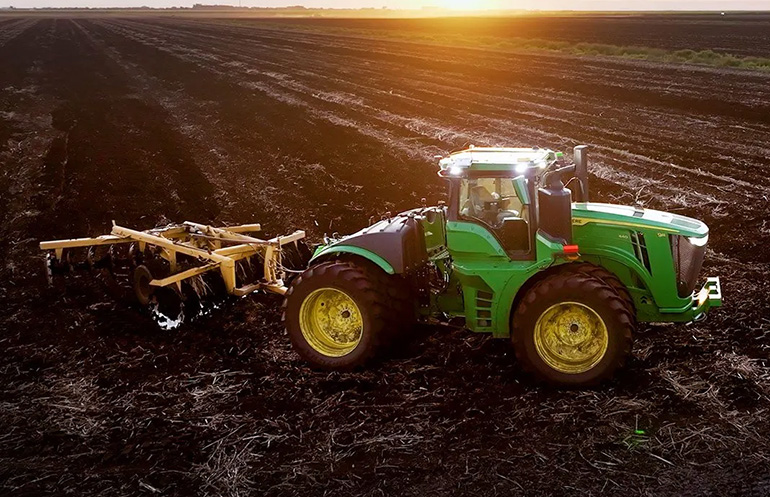
How autonomous fleets are changing what’s possible in American agriculture
THE SO WHAT
Autonomous tractor fleets—like ASI’s work with U.S. Sugar and Everglades Equipment—turn labor-scarce, seasonal operations into 24/7 machine logistics problems. Ag operators should be mapping fields, implements, and service networks now, because once autonomy pencils out, deployment speed becomes the edge.
READ THE SOURCE
MORE FROM THE WIRE
 Robotics & Autonomy
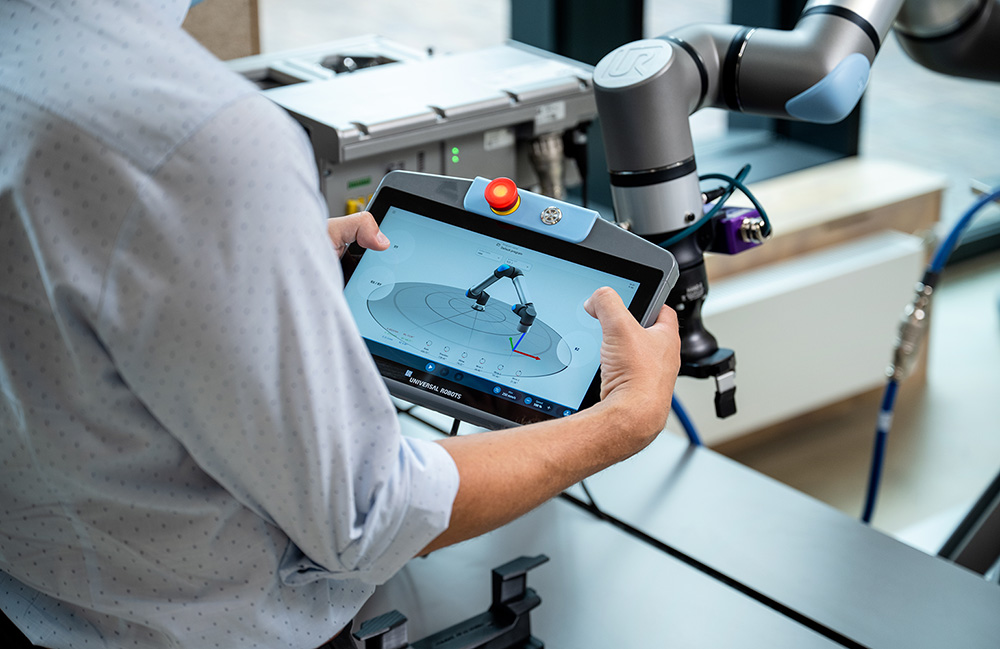
Universal Robots launches its seventh generation robot platform at IMTS
Seventh-gen cobots with rebuilt controllers and AI-ready tool flanges mean the integration surface is shifting from mechanical to software-defined. If you're running factories or warehouses, budget more for orchestration, perception, and toolchain integration than for the arm itself.
 Robotics & Autonomy
Beijing Bans Drones in Sweeping Curbs After Citic Tower Crash
Beijing’s blanket ban on recreational drones after the Citic Tower crash shows how fast regulators can shut down entire usage classes when safety or security is questioned. If your product depends on civilian airspace access, build for jurisdictional fragmentation and sudden, city-level policy shocks.
 Robotics & Autonomy
TechCrunch Mobility: Lyft has entered the robotaxi chat
A ride-hail player leaning into robotaxis means autonomy is shifting from pilot PR to core network strategy. If you operate in mobility or logistics, assume your unit economics will eventually be benchmarked against AV-augmented fleets, not human-only operations.
Robotics & AutonomyDrone Threats Force Cities to Rethink Defenses
Cheap, fast, hard-to-detect drones turn urban airspace into a security surface that cities were never architected to manage. For infrastructure operators, this is a nudge to map critical assets against low-altitude threat vectors and to expect new permitting, detection, and countermeasure requirements over the next few years.