
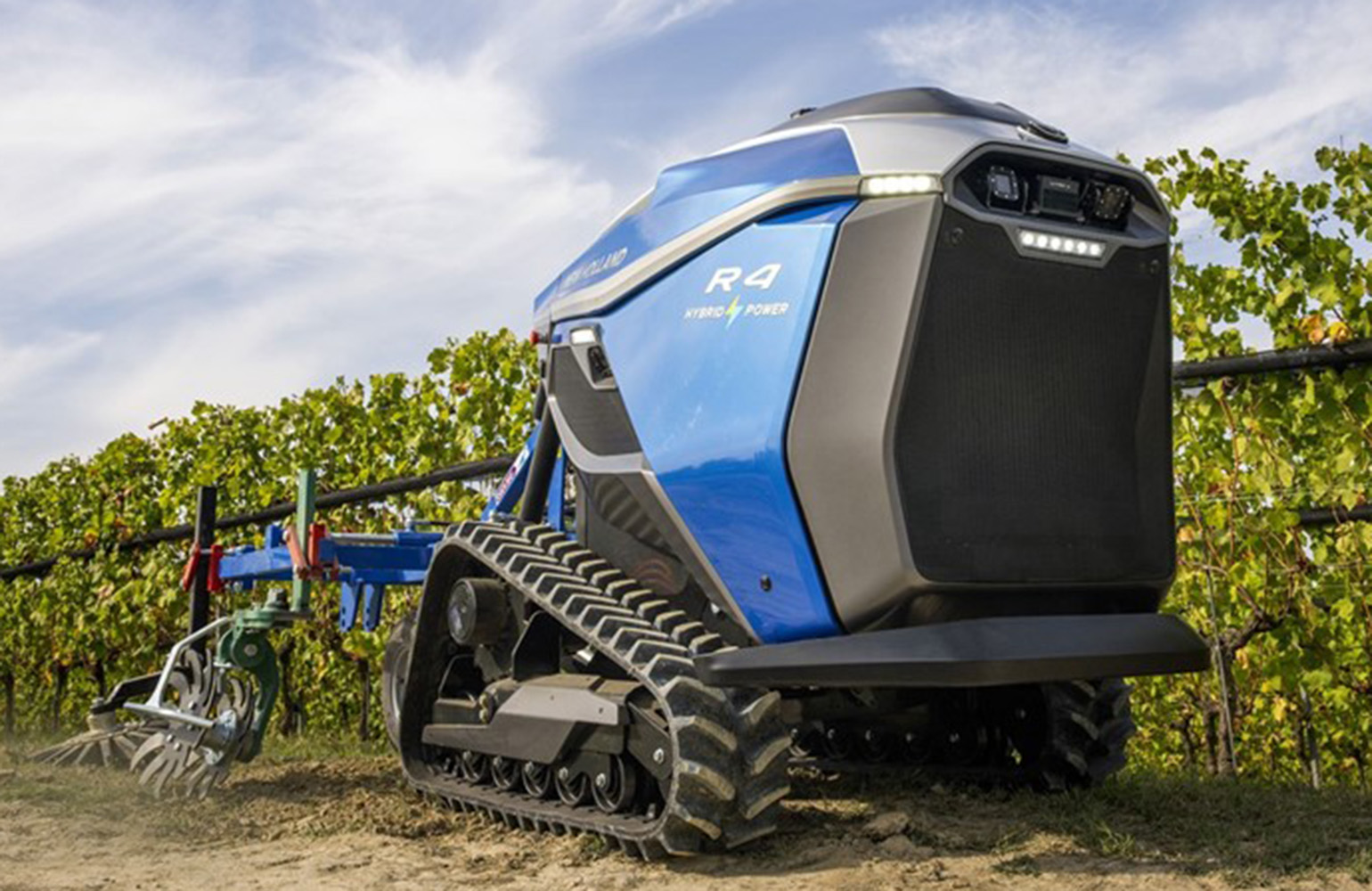
Farmers are facing more pressure; CNH says robotics can help
THE SO WHAT
Ag robotics is shifting from nice-to-have to labor backstop as farms struggle with availability, cost, and productivity pressure. If you sell into ag, assume your customers will evaluate autonomy in the next planning cycle and position your product either as a complement or a bridge.
READ THE SOURCE
MORE FROM THE WIRE
 Robotics & Autonomy
SoftBank invests $225M in ASI and forms autonomous construction venture
SoftBank is treating heavy equipment autonomy as infrastructure, not a side bet—$225M plus a JV for road, rail, and airport machinery means autonomy is moving deeper into regulated, capex-heavy projects. If you build in construction, mining, or logistics, start mapping where retrofitting existing fleets with autonomy pencils out before OEMs and financiers lock in preferred stacks.
 Robotics & Autonomy
Waymo is scaling fast. Here’s what the fleet data shows.
A 49% fleet expansion in Texas in one month means AV deployment is moving from pilot optics to real route density. If you run logistics, mobility, or urban infrastructure in these hotspots, you need an AV integration and dependency map on your 12–24 month planning horizon.
 Robotics & Autonomy
Nexterity wants to automate the hard, dangerous part of pipefitting
A Pelican-case robot that tightens four bolts at once is the right kind of automation—surgical, portable, and aimed at a specific high-risk task. For industrial operators, this is the pattern to look for: point robots that slot into existing workflows without redoing the whole site.
 Robotics & Autonomy
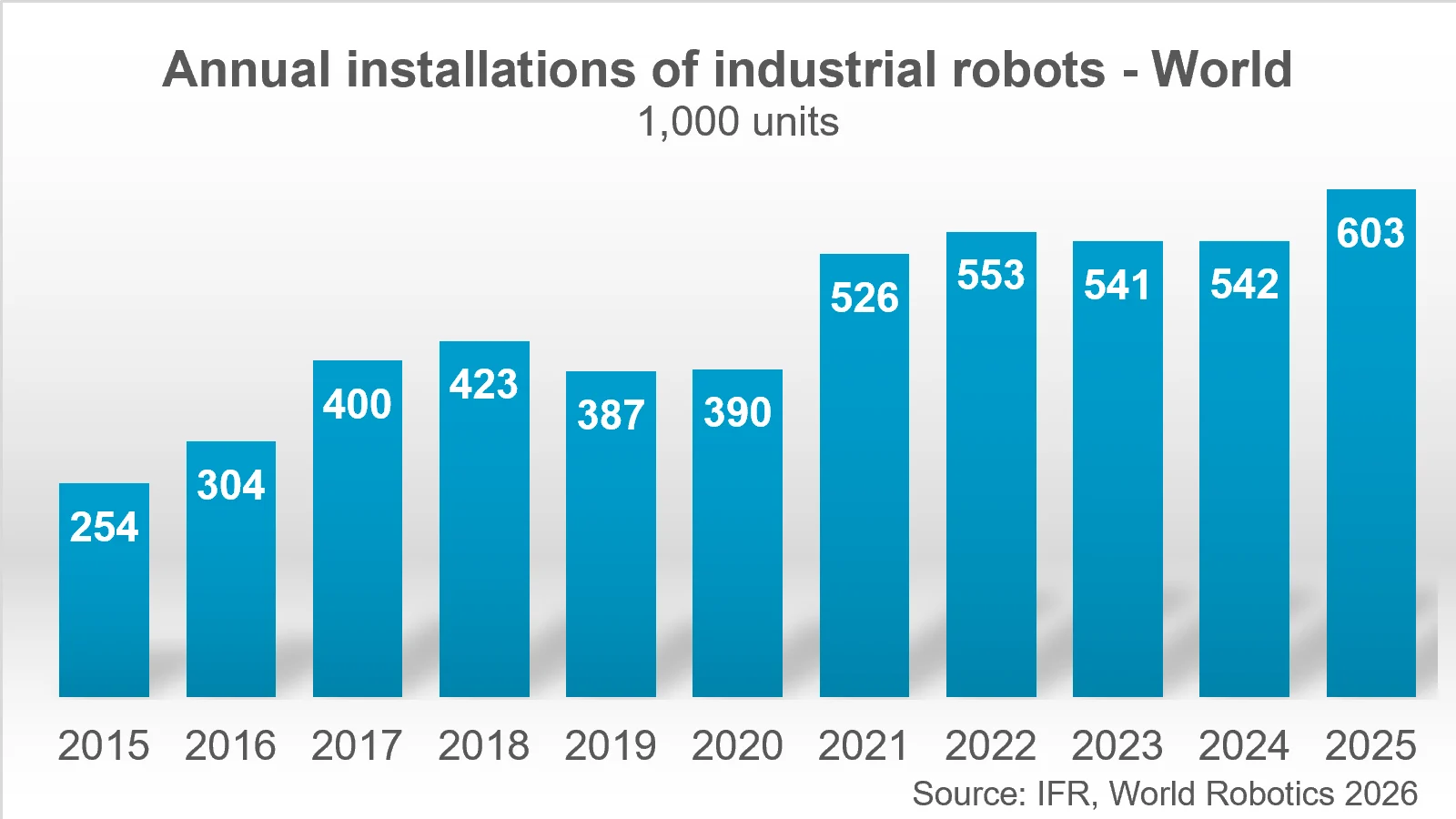
5 million robots are now at work in factories worldwide, reports the IFR
Five million factory robots is a signal that automation is now baseline industrial infrastructure, not a pilot project. If you run a plant and don’t have a roadmap for where robots slot into your next capex cycle, you’re planning against a cost and throughput curve your competitors are already riding.