

Figure AI Trains Retired Robots to Dive Into Molten Steel
THE SO WHAT
Using retired robots as sacrificial learners for extreme tasks hints at a training loop where hardware is expendable but data is not. For industrial operators, the question becomes what high-risk workflows you’d be willing to burn hardware on now to unlock safer, more automated systems later.
READ THE SOURCE
MORE FROM THE WIRE
 Robotics & Autonomy
Robotaxi operators will face fines for blocking first responders
Regulators are moving from permissive pilots to liability regimes—blocking ambulances now comes with fines, not just bad PR. If you operate or partner with AV fleets, treat emergency interaction as a first-class requirement and log every incident like a safety-critical defect.
 Robotics & Autonomy
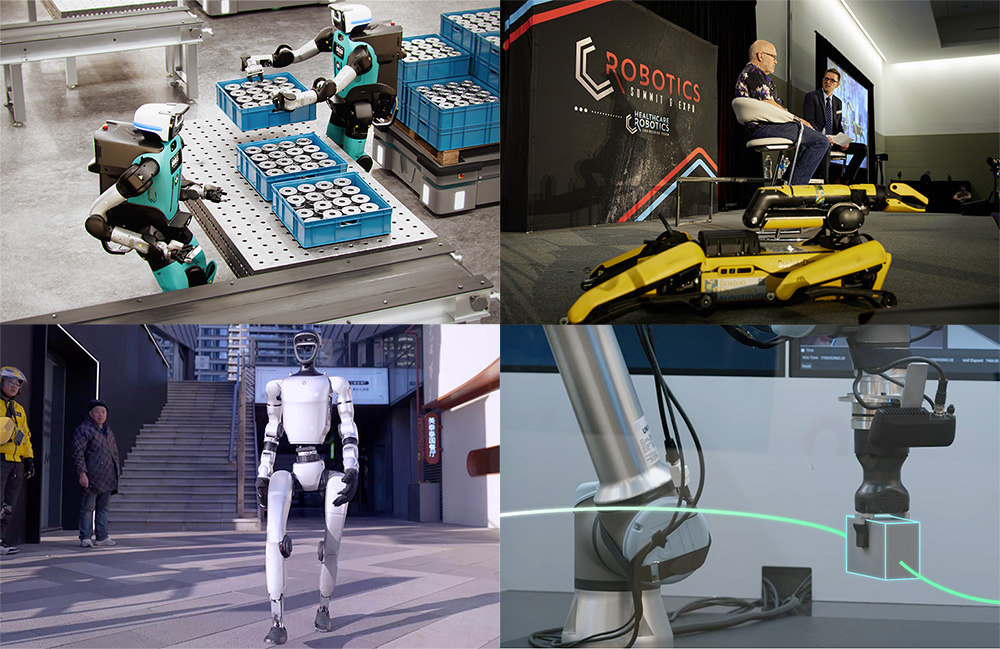
Top 10 robotics stories of September 2026
A flood of September robotics news from IMTS, ROSCon, and IROS shows the stack maturing from demos to deployment playbooks. If you’re not tracking at least one of these conferences for your category, you’re probably missing the reference architectures your competitors will copy.
 Robotics & Autonomy
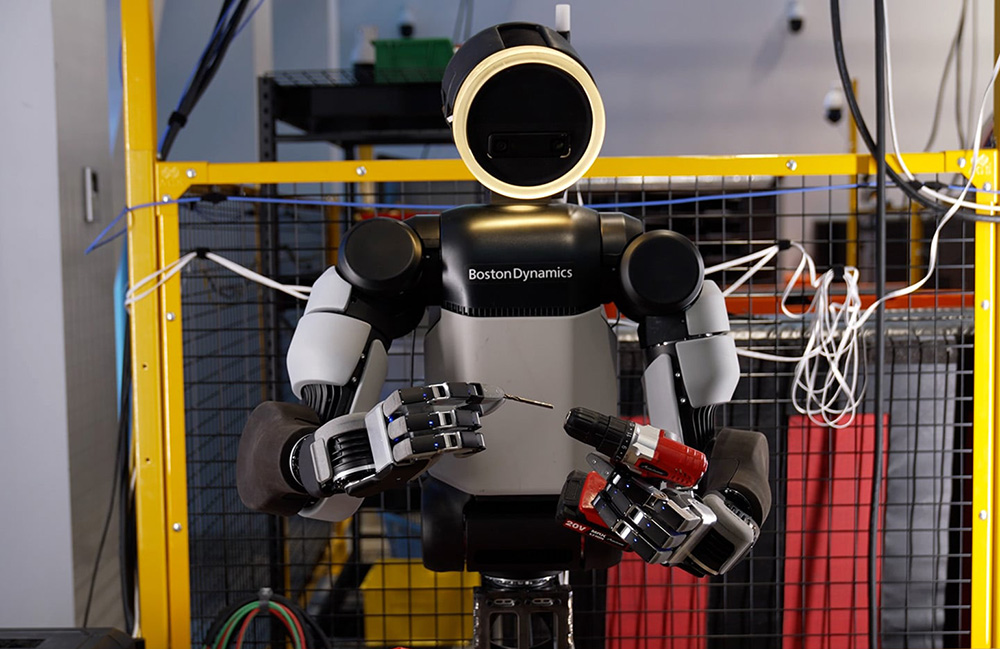
Boston Dynamics drops pinkie on new humanoid hand
Boston Dynamics experimenting with dropping the pinkie to simplify humanoid hands is a reminder that ‘good enough’ dexterity often beats anatomical fidelity for near-term deployments. If you’re scoping humanoid use cases, design tasks around what simplified grippers can reliably do today, not sci-fi hand capabilities.
 Robotics & Autonomy
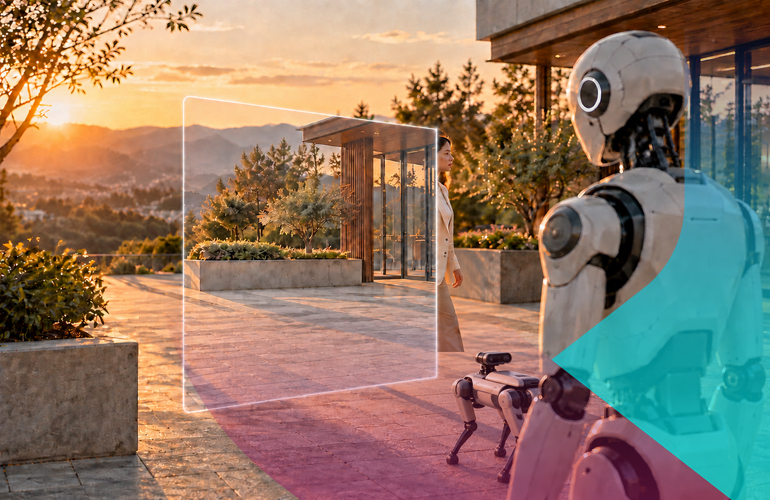
Your Robot’s Safety Functions Already Work. What If the Input Lies?
The hard problem in robot safety is shifting from actuators to perception—systems can follow every rule and still act dangerously if upstream data is spoofed. If you're deploying robots, expand safety testing to include sensor and data integrity attacks, not just mechanical fail-safes.