
Foxconn agrees to acquire a 50% stake in Mitsubishi's automotive components unit for ~$727M; Mitsubishi will provide autonomous tech for Foxconn's EV platforms
THE SO WHAT
Foxconn buying half of Mitsubishi’s auto components unit for about $727M and tapping its autonomous tech is a clear move to own more of the EV and autonomy stack, not just assemble it. OEMs and Tier 1s should assume contract manufacturers will increasingly show up as full-stack EV competitors and plan partnerships and IP boundaries accordingly.
READ THE SOURCE
MORE FROM THE WIRE
 Robotics & Autonomy
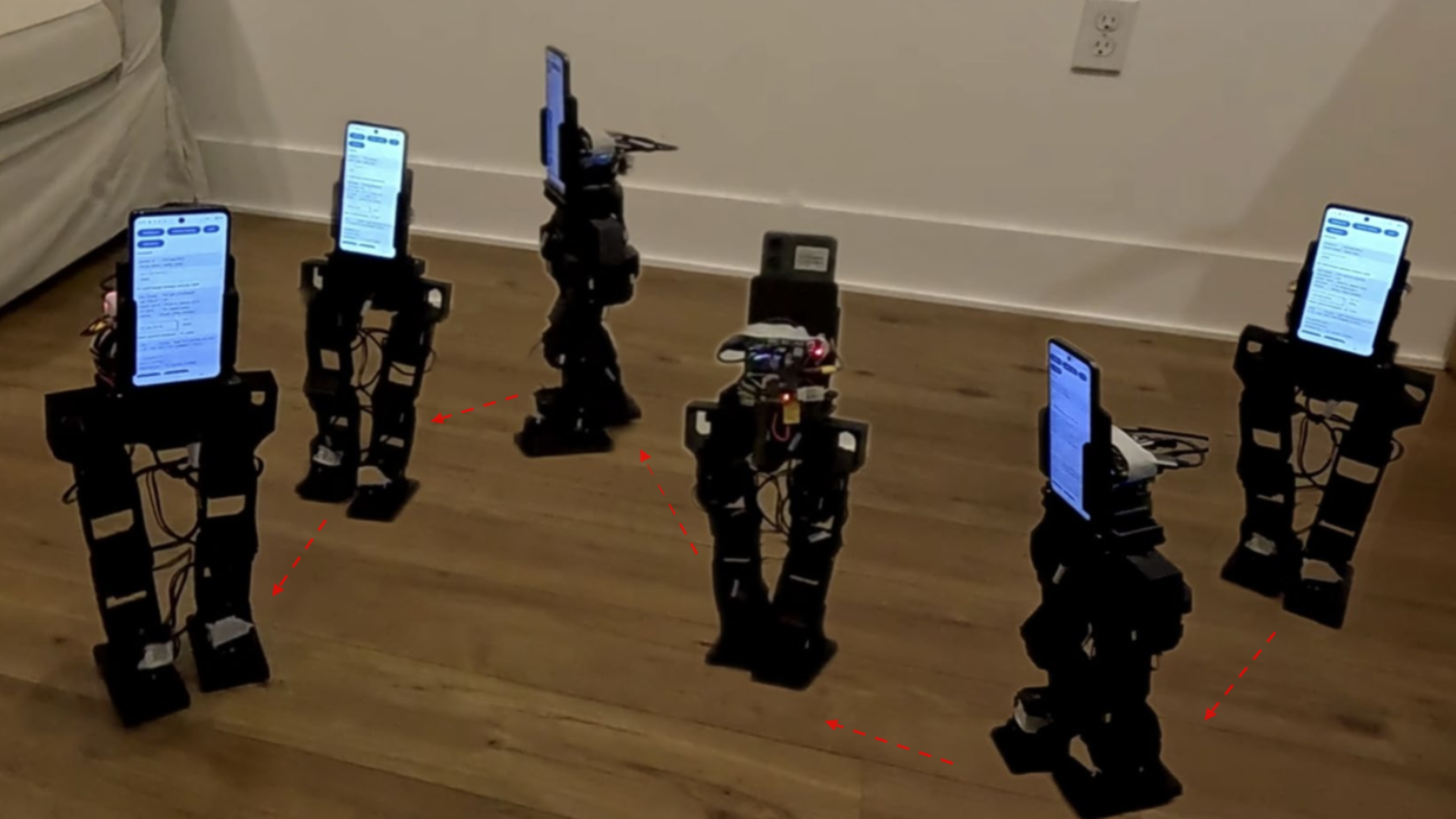
PhoneBot uses an old $50 Android smartphone brain with its cameras as eyes — tech Frankenstein is an open source humanoid robot platform for makers
A $400, smartphone-powered humanoid from UCLA is a reminder that the real constraint on physical AI is software and data, not exotic hardware. For operators, this points to a near-future where low-cost, modular platforms let you prototype task-specific robots in-house instead of waiting on premium humanoid vendors.
 Robotics & Autonomy
A woman was arrested in Philly for blocking a delivery robot
Street-level resistance to delivery robots is moving from online discourse into real-world confrontation and policing. If you deploy sidewalk bots, treat community engagement and incident protocols as core operational work, not PR afterthought.
 Robotics & Autonomy
Apple HomeView With Robotic Arm; New Mac, iPad Mini Nov. 6 Release; iPhone Duo
If Apple is experimenting with a HomeView robotic arm, it’s testing whether consumers will accept a physical actuator in the same ecosystem that already runs their photos, payments, and presence data. Any team building home robots now has to assume a future where the dominant phone OS also owns the manipulation surface — plan integrations, not standalone islands.
 Robotics & Autonomy
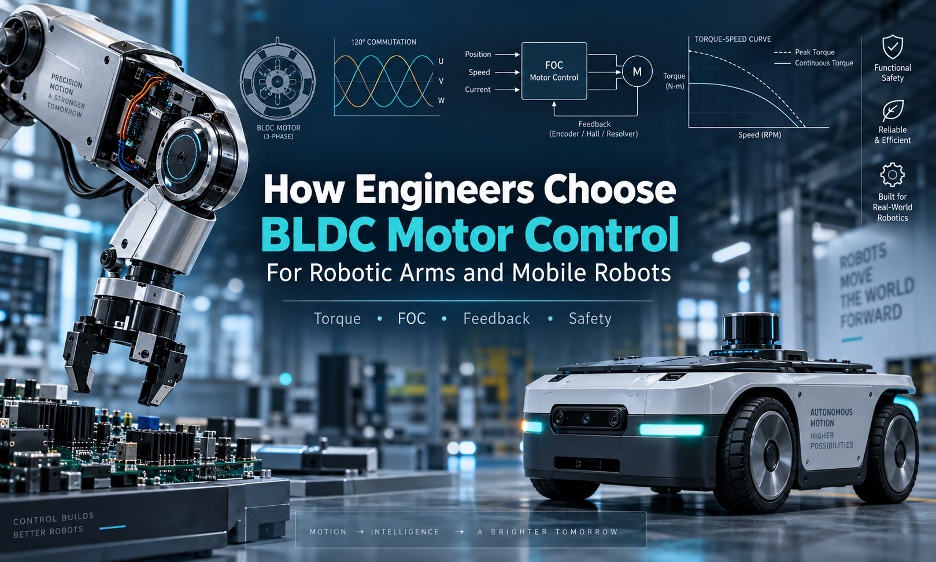
How to choose a BLDC motor for robotic arms and mobile robots
Motor choice is becoming a first-order design decision as more teams push robots into continuous-duty, safety-critical work. If you're speccing arms or mobile platforms, lock in your BLDC requirements — torque curves, sensing, thermal behavior, and safety features — before you commit to control stack and mechanical architecture.