
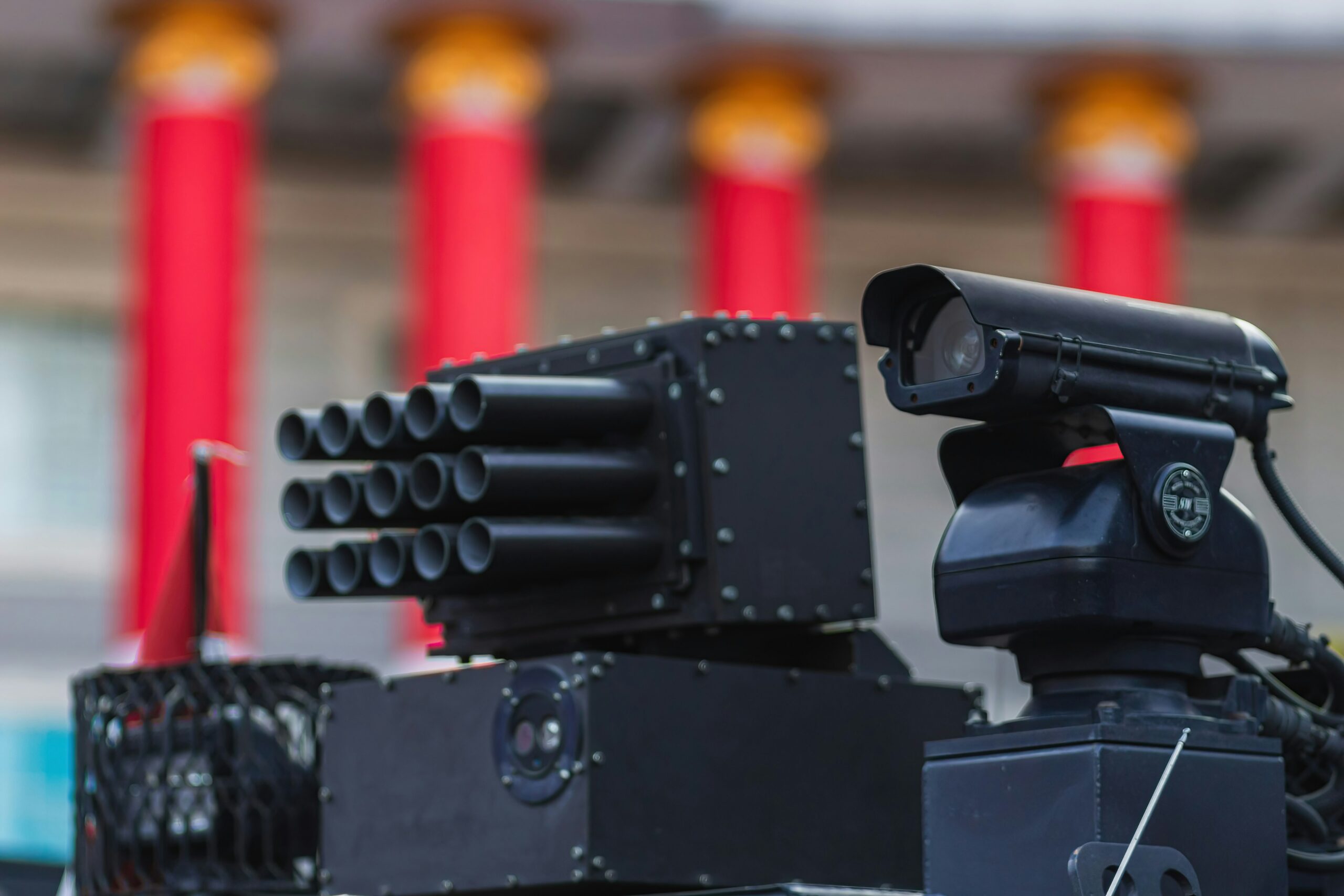
How robotics and physical AI can responsibly tackle key physical security challenges
THE SO WHAT
Physical AI is moving from novelty to layered security asset—bridging cyber and on-prem threats in ways static cameras and guards cannot. Security and facilities leaders should start mapping where mobile sensing, patrol, or response robots could plug into existing SOC workflows rather than treating them as standalone projects.
READ THE SOURCE
MORE FROM THE WIRE
Elon Musk says Tesla is trying to prevent robotaxis from running over cats at night
If you’re tuning perception so robotaxis avoid cats at night, you’re acknowledging that edge‑case safety is now a product marketing surface, not just a regulatory checkbox. Any autonomy stack selling into cities will need a narrative — and telemetry — around how it handles the long tail of rare, emotionally salient events.
 Robotics & Autonomy
Unlock aerial photography for 15% off with this DJI Neo discount
Consumer-grade 4K-capable drones at discount pricing keep pushing aerial imaging toward commodity status. If your edge is basic footage capture, assume margin pressure and look for value in analytics, workflows, or regulated niches.
 Robotics & Autonomy
California announces AV regulation, fines for robotaxis that impede emergency responders
Tying financial penalties directly to blocking 911 responders turns AV behavior from a PR issue into a regulated operational KPI. If you run or depend on AV fleets in California, incident response and real-time coordination with emergency services now belong in your core reliability metrics.
 Robotics & Autonomy
The physical AI race will be won in the patent office
In physical AI, the moat is shifting from demos to defensible IP around hardware, sensing, and control stacks. Robotics founders need a clear view of what to patent versus keep as trade secret now—before larger incumbents and aggregators lock up key filings that shape future licensing terms.