
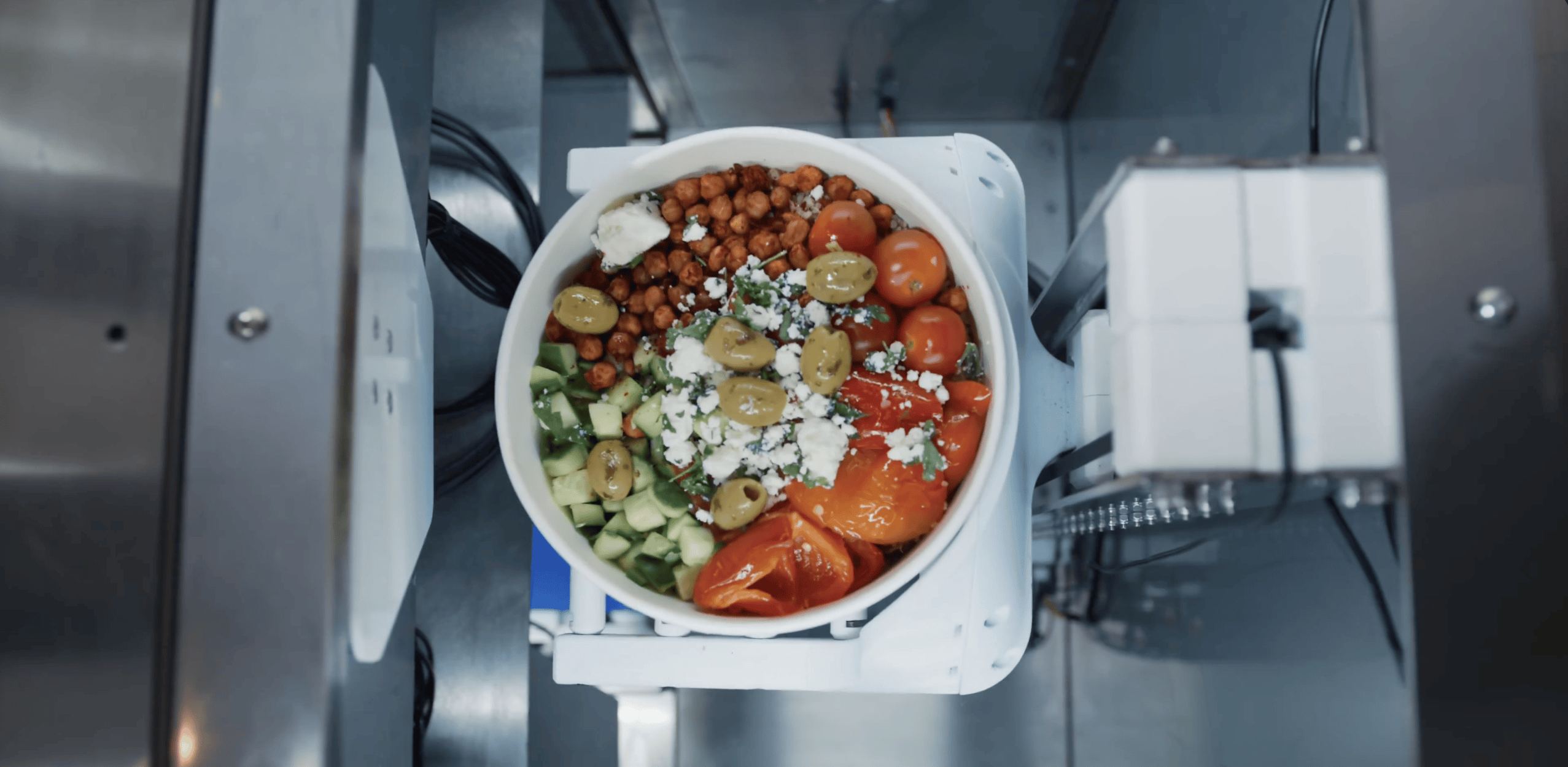
The physical AI race will be won in the patent office
THE SO WHAT
In physical AI, the moat is shifting from demos to defensible IP around hardware, sensing, and control stacks. Robotics founders need a clear view of what to patent versus keep as trade secret now—before larger incumbents and aggregators lock up key filings that shape future licensing terms.
READ THE SOURCE
MORE FROM THE WIRE
 Robotics & Autonomy
Barclays: “Generational Shift” in Aerospace & Defense
Defense is bifurcating into legacy cost-plus and venture-style autonomy plays — and the market is starting to price them on different curves. If you build in this space, assume buyers will expect commercial speed and margins on anything touching low-cost autonomous systems.
 Robotics & Autonomy
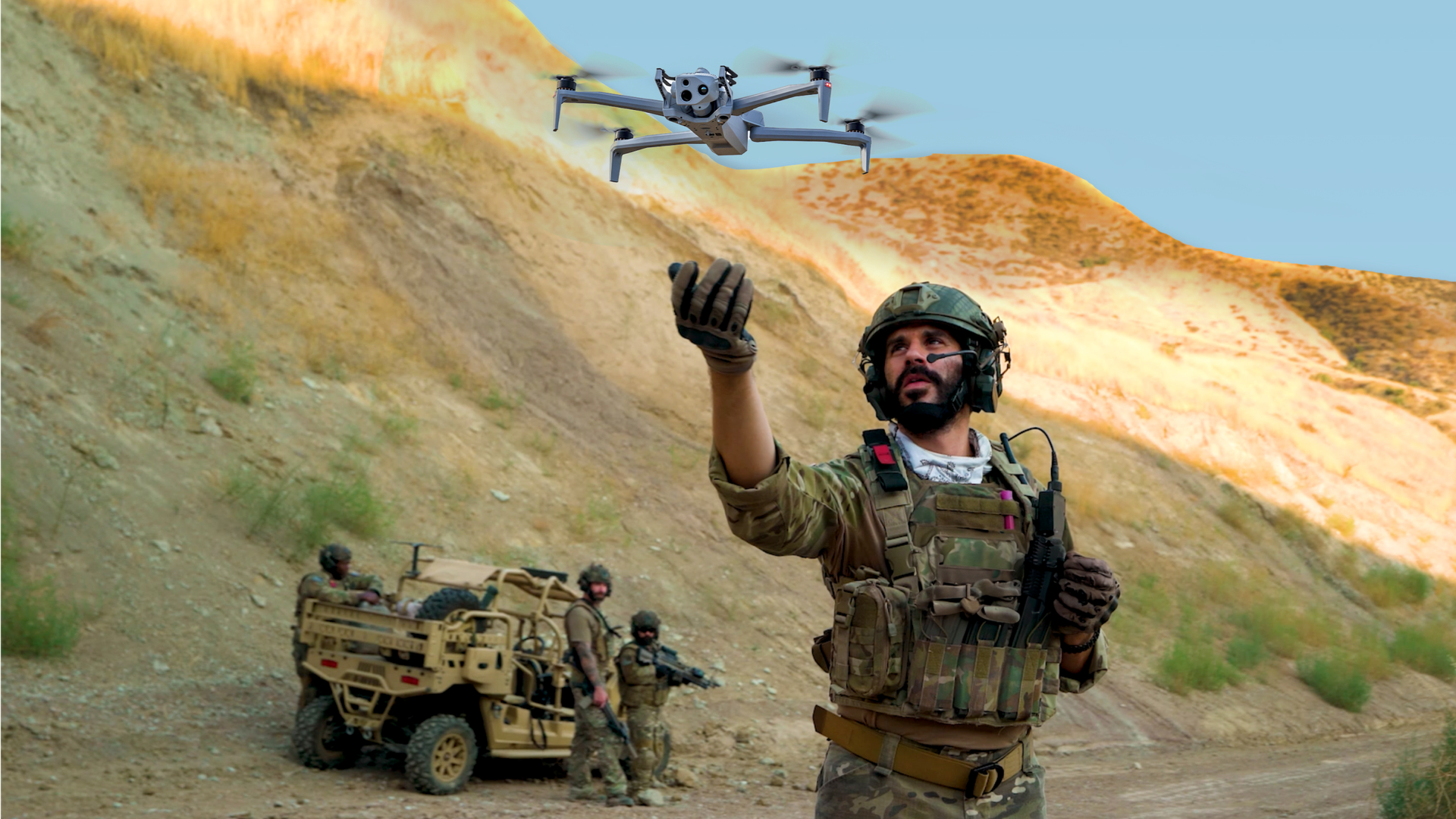
The US Army is handing out over $4.15 billion to any company able to stop low-cost drone attacks on home soil
$4.15B spread across 10 vendors to counter cheap drones means C-UAS is now a funded product category, not a science project. Dual-use teams in sensing, autonomy, and command-and-control should treat this as a real commercialization path — with timelines driven by recent base attacks, not peacetime procurement cycles.
 Robotics & Autonomy
This half-priced Sunseeker X3 Plus robot lawn mower is selling out at Amazon
A robot mower hitting a sub-$900 price point and selling through quickly is another proof that outdoor autonomy is moving from luxury to mainstream appliance. If you build or service home or light-commercial equipment, assume customers will expect autonomy as a default feature within the next product cycle.
Robotics & AutonomyOur favorite new drones: these are the models that soared through our tests
Consumer drones getting 5-star reviews at multiple price points means aerial capture is now a cheap, reliable input — not a specialty tool. Construction, ag, and inspection operators should assume teams can self-deploy drones and focus on workflows for ingesting and acting on the data.