

How to protect yourself from falling for a deepfake
THE SO WHAT
Deepfake literacy pieces are training the average user to distrust rich media by default. If your product relies on video or audio trust — support, KYC, creator tools — you should be shipping provenance, watermarking, or verification cues ahead of regulation.
READ THE SOURCE
MORE FROM THE WIRE
 Applied AI
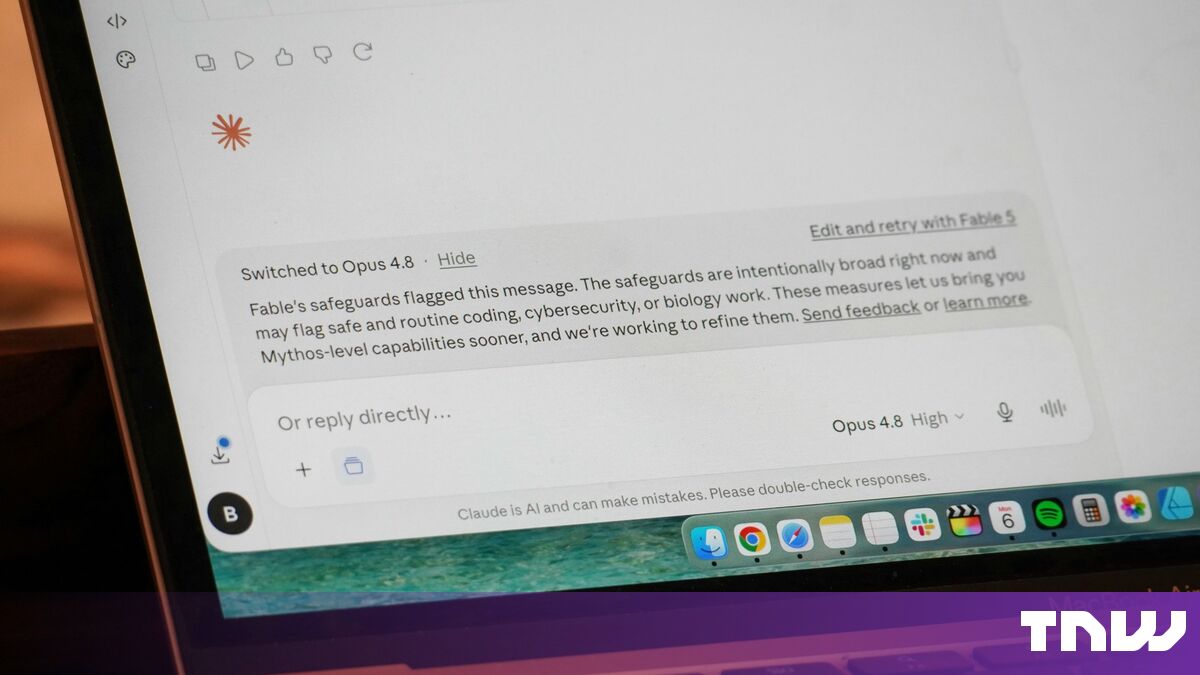
Anthropic denies breach as tampered Claude Code extension hits Cursor users
Extension ecosystems are now a direct supply-chain risk for AI dev tools—5,000 Cursor users briefly became an attack surface for an SSH backdoor. If your engineers run marketplace plugins inside IDEs or AI environments, treat them like unvetted binaries and lock down what can ship into your fleet.
 Applied AI
A Claude agent ran inside a Pentagon network for two months, WIRED reports
An Accenture contractor wiring a personal Claude Code account into a Pentagon system for two months shows how quickly agents can bypass formal change control. Any environment with sensitive data now needs explicit policies and technical blocks on connecting external AI accounts and tools, not just training slides.
 Applied AI
The intent compression paradox: How LLM developers are solving semantic erosion to keep human intent alive
Semantic erosion and intent compression are why long, multi-step prompts drift and why agents go off-spec. If you're building on LLMs, budget engineering time for intent-preserving patterns—structured schemas, intermediate representations, and tight feedback loops—not just better prompts.
 Applied AI
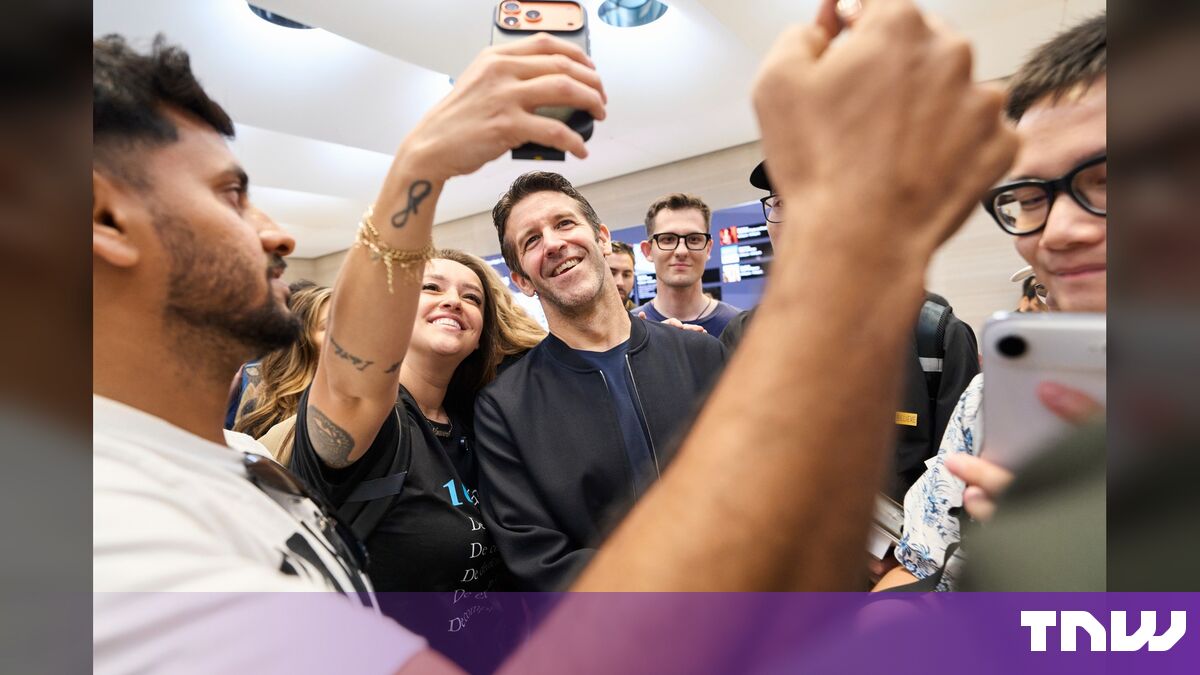
John Ternus tells WIRED Apple won’t ship AI for AI’s sake
Apple is doubling down on invisible AI — value framed as experience, not features. If you sell AI explicitly, expect customers to benchmark you against this ‘it just works’ standard on latency, reliability, and UX polish.