
If the US Slows Down on AI, China Wins, Says Ives
THE SO WHAT
Framing AI as a zero-sum US–China race hardens the expectation of continued subsidy, favorable regulation, and defense-aligned use cases. For operators, that means AI spend and policy support are likely durable—even across administrations—but scrutiny around data provenance and geopolitical exposure will rise with it.
READ THE SOURCE
MORE FROM THE WIRE
 Tech & Innovation
It Is the Year 2026, and a 72-Year-Old Man Was Just Convicted of GPS Stalking a Pokémon Card Delivery Driver
Consumer-grade tracking plus niche obsession is a volatile mix—this case is an edge example of how cheap telemetry can be misused. Logistics and marketplace operators should revisit how much real-time location data they expose to end customers and for how long.
 Tech & Innovation
Microsoft adds $2B to its Gulf spending through 2030
Microsoft layering another $2B into a $10B Gulf commitment while Europe walls off public-sector data underscores a clear split—hyperscalers will chase AI growth where regulators are more permissive. If you operate in EMEA, expect more local-sovereign cloud pressure; in the Gulf, expect faster access to frontier AI services.
 Tech & Innovation
Kids arent learning to type anymore
If a generation grows up fluent in voice and touch but weak in typing, your UX and workflow assumptions are dated. Product and ops teams building for under-25s should be prioritizing voice-first and multimodal input over keyboard-heavy flows.
 Tech & Innovation
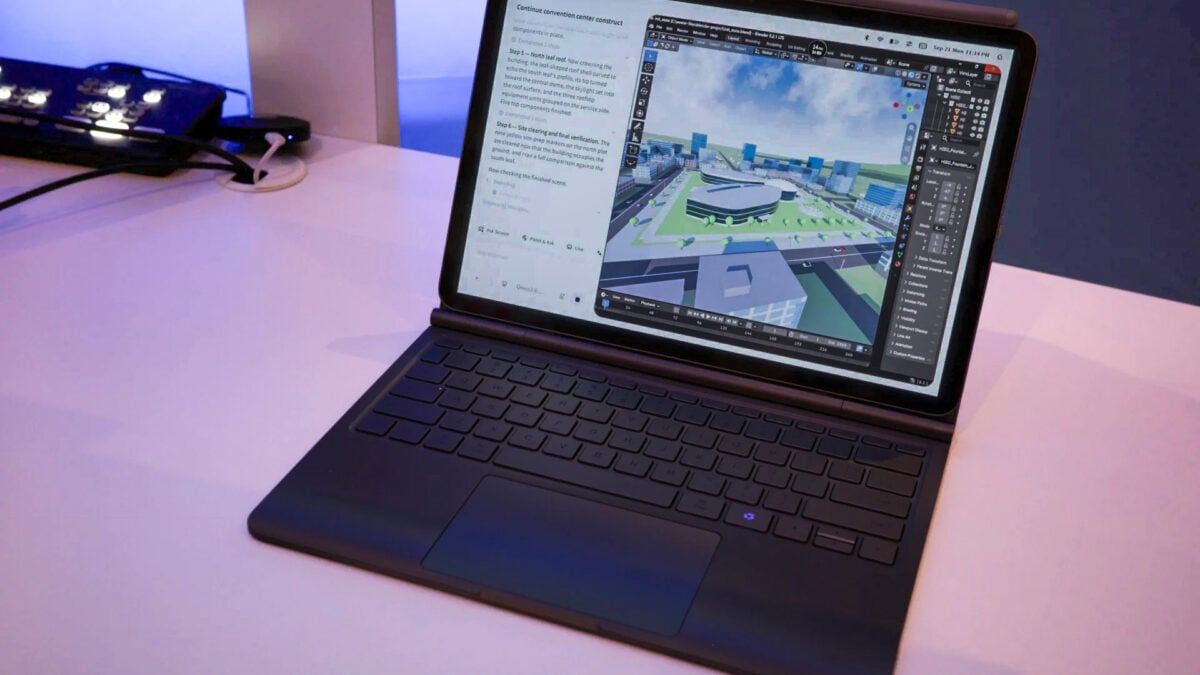
The ‘QwenBook’ Laptop Can Run Every OS at Once, and It May Be PC Fans’ Worst Nightmare
A China-only laptop that treats OS choice as a runtime option, not a hardware decision, points to a future where the PC is just a local hypervisor for many environments. For IT and dev tooling, assume users will expect frictionless context-switching across OSes and plan security and licensing accordingly.