

India's chip design startups near production with government support, but low volumes, high fab costs, and supply chain bottlenecks hinder commercialization
THE SO WHAT
India’s chip design ecosystem is maturing on paper, but low volumes, high fab costs, and supply chain friction mean most startups still face a brutal path from tape-out to revenue. If you’re betting on Indian silicon for AI or edge deployments, treat it as a medium-term option and secure alternate supply from established fabs for the next 2–4 years.
READ THE SOURCE
MORE FROM THE WIRE
 Deep & Emerging Tech
Data center backlash is uniting America
When data centers become a bipartisan wedge issue, AI and cloud roadmaps inherit local politics as a first-class dependency. If your growth assumes new capacity, you need a siting, community, and incentives strategy — not just a colo RFP.
 Deep & Emerging Tech
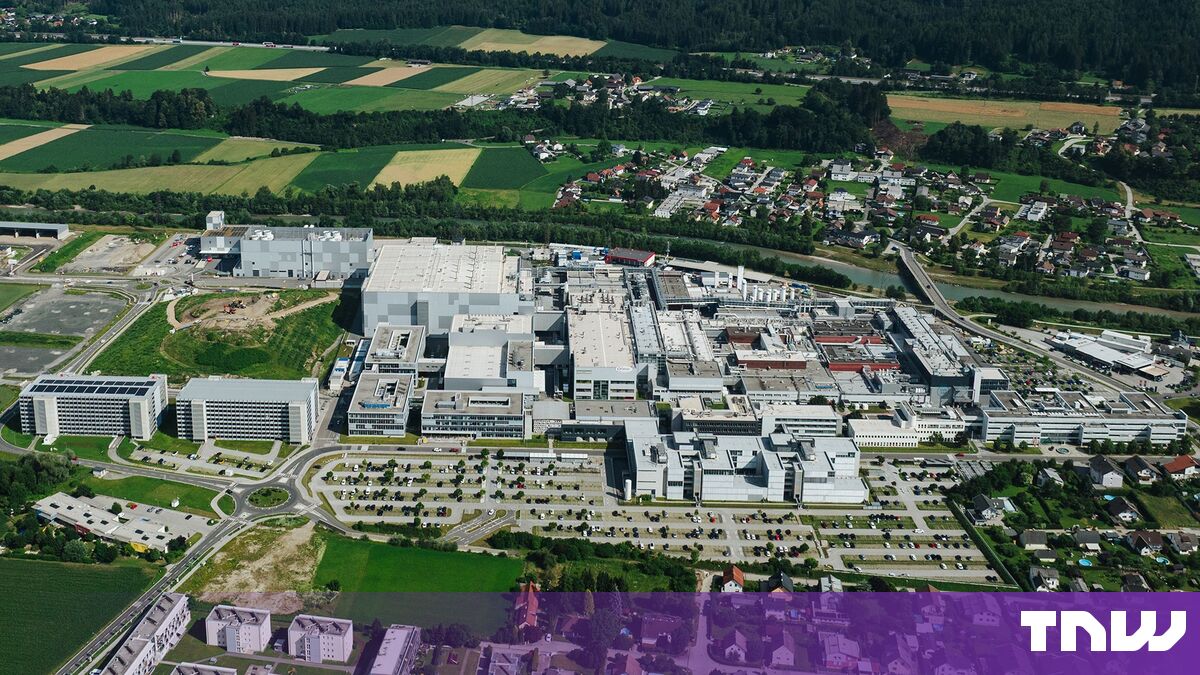
Infineon to invest €1.1bn in Austrian plant for gallium nitride chips
€1.1B into 300mm GaN power chips is a bet that efficient power conversion is a hard bottleneck for EVs, renewables, and AI datacenters. Hardware and infra teams should be planning around a world where GaN-based power stages are standard, enabling denser, more efficient systems.
 Deep & Emerging Tech
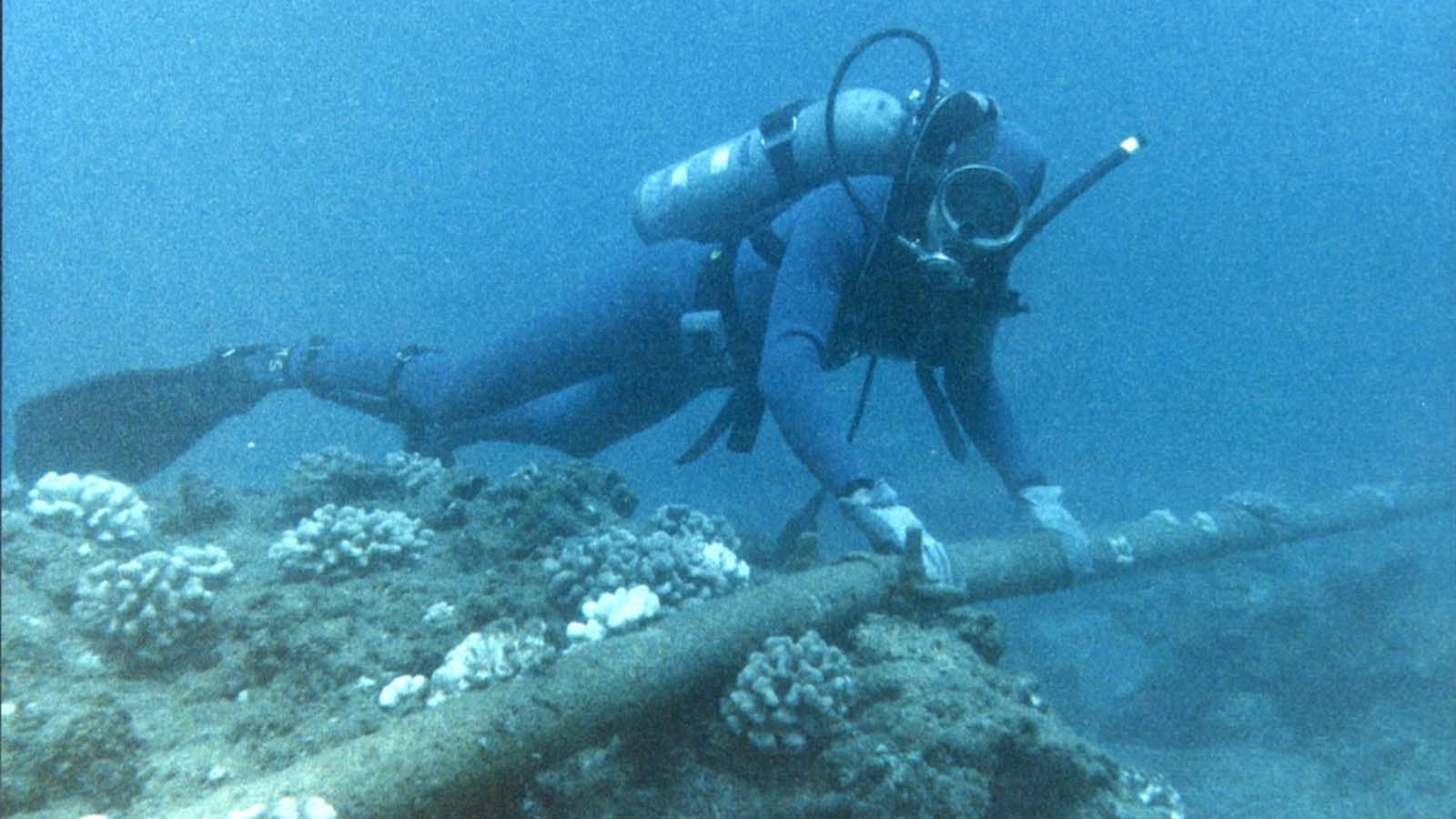
Russian boats spotted loitering over undersea cables connecting Europe and US
Deliberate mapping of undersea cables—500+ incidents in under five years—turns global internet and cloud connectivity into a visible geopolitical attack surface. If your operations depend on transatlantic latency or bandwidth, treat cable disruption as a scenario to model, not a black-swan edge case.
 Deep & Emerging Tech
From Blackouts to Surplus: How Eskom Turned South Africa’s Power Around
Eskom swinging from rolling blackouts to a 3–5 GW surplus while cities still suffer local outages shows the gap between generation and last-mile reliability. If you’re siting compute or manufacturing in South Africa, diligence needs to go down to municipal grid and substation resilience—not just national capacity numbers.