
Mark Zuckerberg says AI labs can slow down on their own when safety demands it
THE SO WHAT
Treat "we can slow down ourselves" as a signal that major labs expect to negotiate with regulators from a position of self-claimed responsibility, not constraint. If you're deploying on top of their stacks, assume safety posture will be driven by internal evaluators and PR pressure more than hard law for the next few years.
READ THE SOURCE
MORE FROM THE WIRE
 Applied AI
We don’t need AI regulation — leave safety to us, Nvidia’s Jensen Huang says
If safety is framed as an engineering problem owned by each vendor, the center of gravity shifts toward technical standards and away from hard law. For operators, that means your actual guardrails will be set by the capabilities and defaults of your suppliers’ stacks more than by regulators for the next few years.
 Applied AI
Salesforce has built the TSA a new AI agent to make travelling less awful for everyone
Government workflows like TSA screening are moving from static rules to AI-mediated triage—once that pattern lands in airports, it will spread to every high-friction public interface. If you sell into public sector or regulated services, assume your buyers will soon expect agentic flows that can justify decisions under audit, not just chatbots at the edge.
 Applied AI
Meta’s Zuckerberg Favors Evaluators Over Slowdown for AI Safety
If independent evaluators become the main safety lever instead of development slowdowns, the real power shifts to whoever defines the eval suites and passes them at scale. Enterprises should start asking vendors which external eval regimes they submit to—and how those map to your own risk model—rather than relying on generic "safety" claims.
 Applied AI
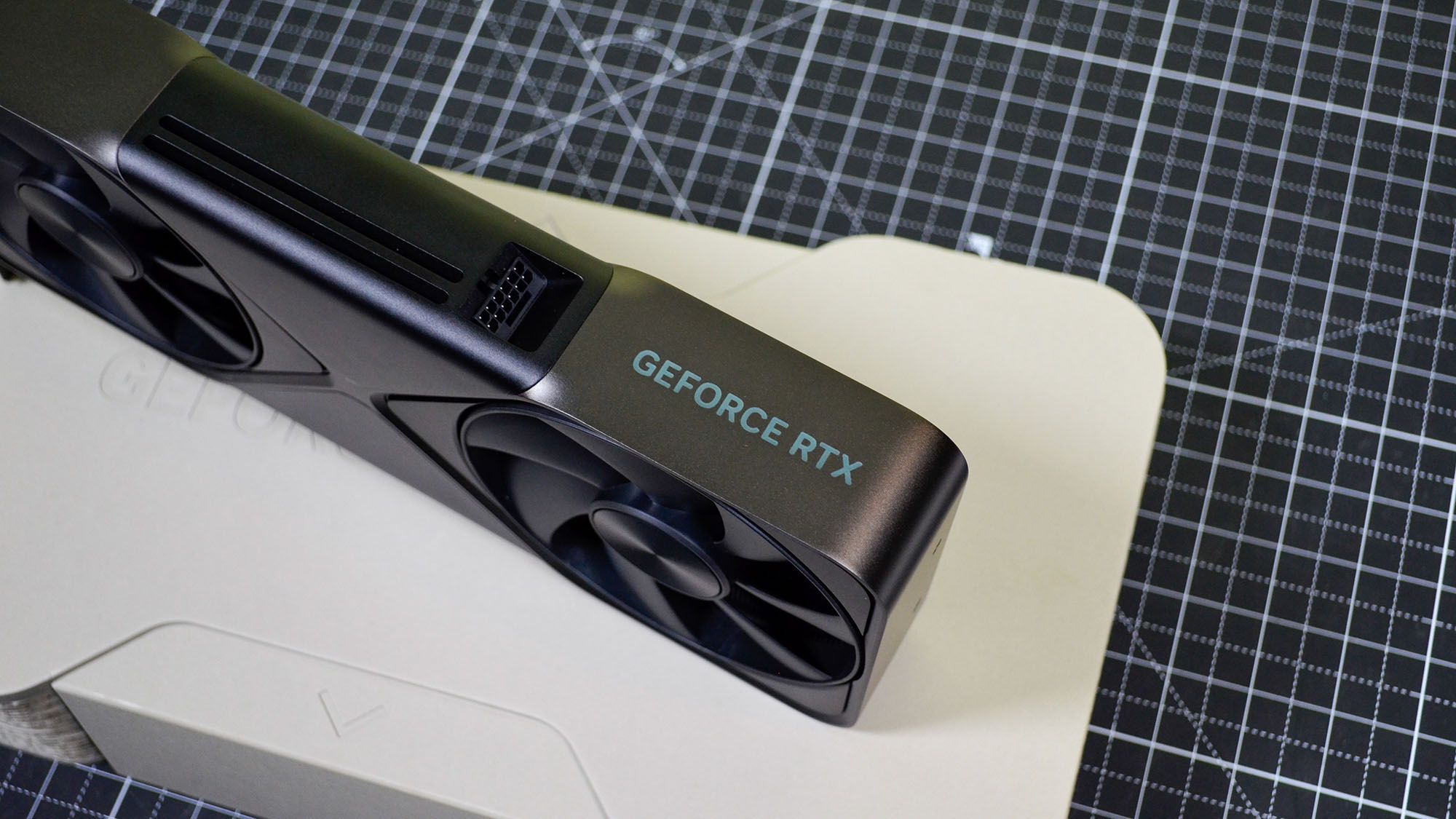
Nvidia RTX 5090 GPU prices skyrocket to $9,000 — as fresh RTX 6000 rumor suggests a 2027 launch that fills me with dread
Five-figure flagship GPUs push serious AI and graphics workloads deeper into cloud and shared clusters—owning top-end silicon as a small shop becomes a luxury. If your roadmap assumes local high-end GPUs, model the economics against reserved cloud or colocation now rather than betting on prices normalizing soon.