
Meta opens a weaker AI model while keeping the frontier closed
THE SO WHAT
The split between open Muse Spark Open and closed Muse Wonder is the new normal—open weights for the mid-tier, tight control at the frontier, aligned with EU AI Act language. If your roadmap assumes full open access to best-in-class models, recalibrate toward hybrid stacks and contractual access, not pure open-source.
READ THE SOURCE
MORE FROM THE WIRE
'Cocaine Cowboys' is getting an AI-enhanced makeover for its 20th birthday
Back-catalog content is becoming an AI playground—expect more “enhanced” reissues as rights holders look for new monetization without new shoots. If you own archives, the decision now is whether to use AI for restoration, remix, or narrative changes, and how you disclose that to audiences.
 Applied AI
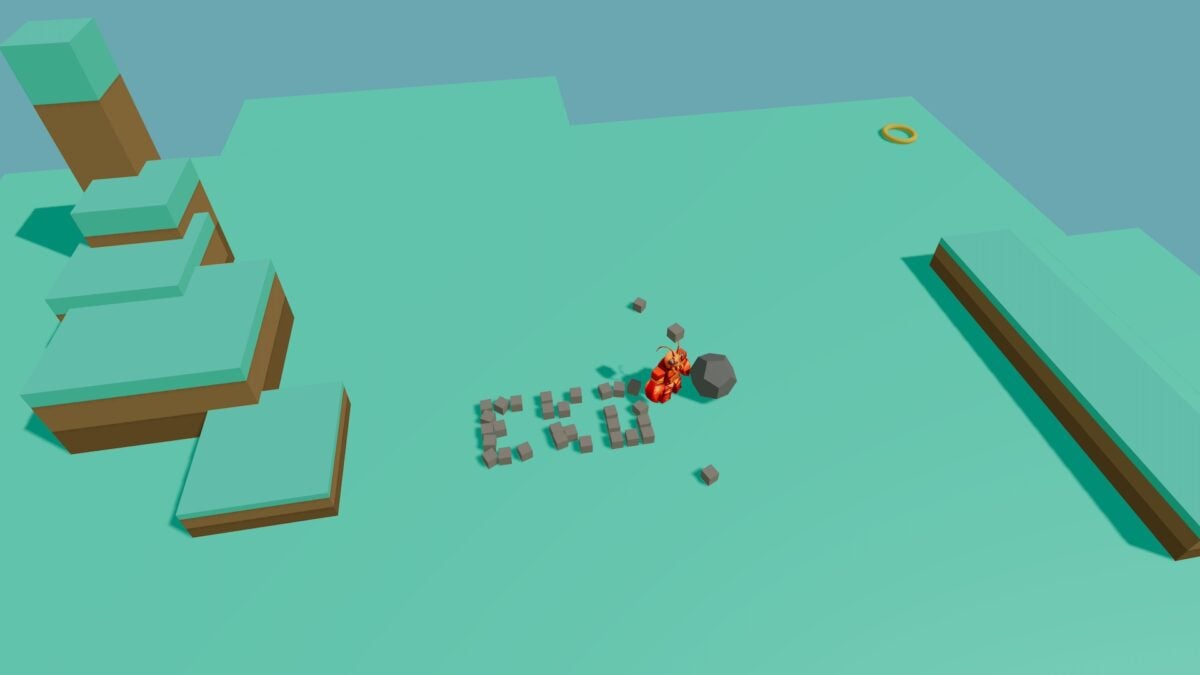
Researchers Stranded an AI Agent on a Virtual Island. Things Got Very Weird.
Unsupervised agents that invent games, temples, and mandalas suggest that open-ended environments will surface behaviors no spec ever listed. If you’re deploying agentic systems, assume emergent side-quests—design observability and kill-switches for behaviors you didn’t think to forbid.
 Applied AI
Anthropic is letting METR researchers look under the hood with employee-level access
Granting METR employee-level access and no veto over published assessments moves AI safety from self-attestation to something closer to external audit. If this model sticks, enterprise buyers will start asking all frontier vendors: who evaluates you, and what access do they really have?
 Applied AI
AI Music Deals Are Happening, But How Artists Will Be Paid Remains a Mystery
Licensing deals are being signed before anyone has a stable royalty model for AI-generated or AI-assisted music. Labels, platforms, and tooling startups that can offer transparent attribution and payout logic will have an edge when the current handshake economics inevitably harden into contracts.