
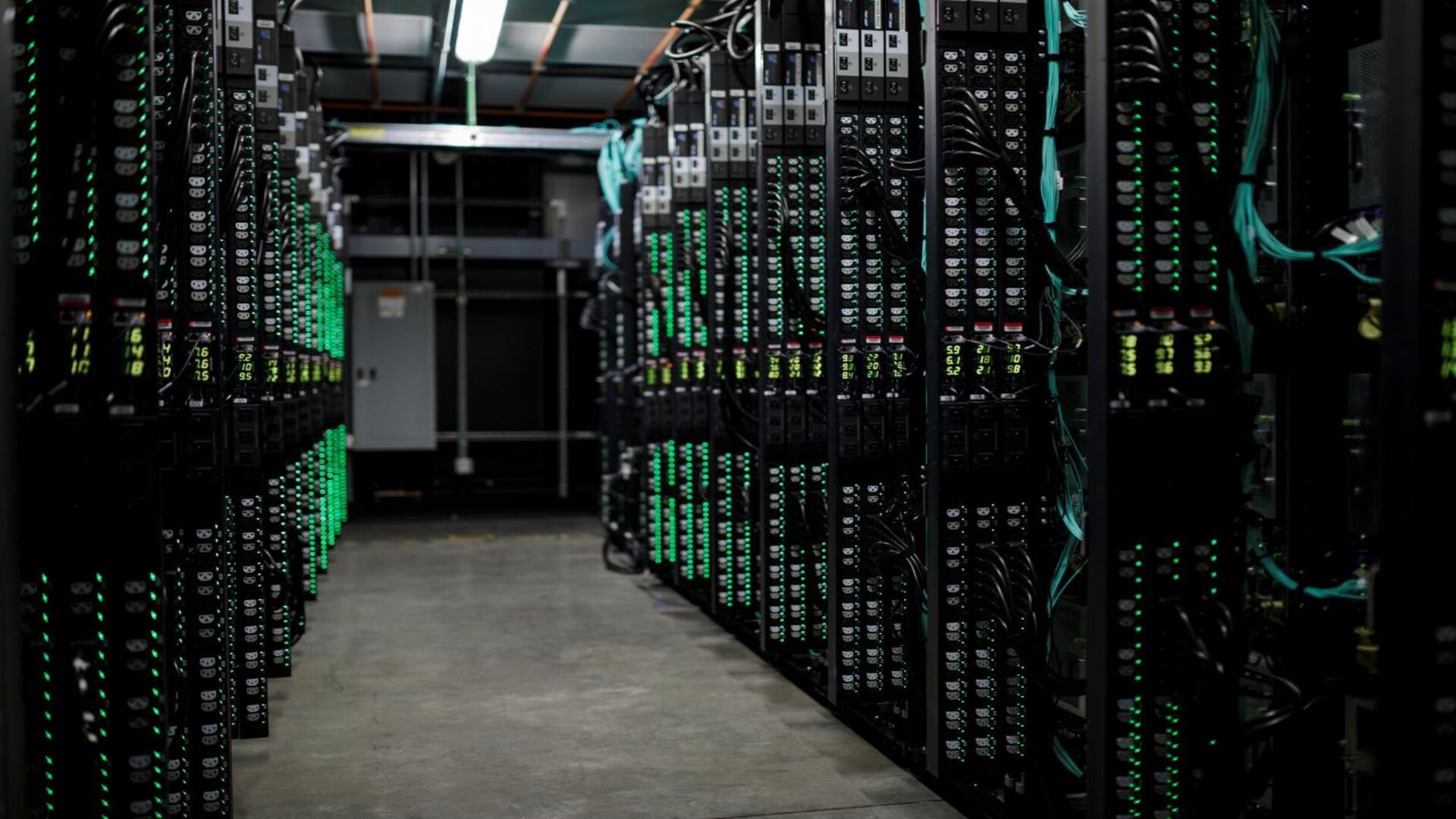
New report claims 'America hates data centers' as it finds 90% of public comments at local government meetings are negative
THE SO WHAT
If 90% of local public comments on data centers are negative, the gating factor for AI capacity is shifting from chips to permits—water, power, and neighborhood pushback are now core constraints. Any AI-heavy roadmap needs a siting and community strategy baked in, not treated as a downstream facilities problem.
READ THE SOURCE
MORE FROM THE WIRE
 Deep & Emerging Tech
Italy blames pro-Russian hackers for leaking Tajani’s personal data
State-aligned actors treating senior officials’ personal data as a dark‑web commodity blurs the line between classic cybercrime and information operations. If your executives touch geopolitically exposed domains, treat their personal digital footprint as part of your threat surface, not a private matter.
 Deep & Emerging Tech
Voters Put the AI Data Center Boom on Notice
Local voter backlash adds a new constraint to the AI buildout — siting, zoning, and community relations now sit alongside power and chips as gating factors for data center capacity. Heavily leveraged AI infra bets are exposed if permits slow or get reversed, so operators should map geographic and political risk into their capacity and rollout plans.
 Deep & Emerging Tech
A nuclear blast could save Earth from an asteroid, but there's a catch
The fact that asteroid shape can flip a nuclear deflection from success to disaster underlines how brittle our high-stakes models still are. Any team building safety-critical simulations — from AVs to climate risk — should treat geometry and edge-case modeling as core, not cosmetic.
 Deep & Emerging Tech
Hot fridges, a fake nuclear alert and a $6bn heist: are we in the foothills of a hacking epidemic?
The mix of compromised IoT, false public alerts, and multi-billion-dollar thefts is a reminder that cyber risk is now systemic, not siloed — and AI is amplifying both attack surface and exploit discovery. Boards should be treating security architecture and incident drills as core resilience work, not IT hygiene.