
Newsom Wants AI ‘Kill Switch’ to Rein In Tech Industry
THE SO WHAT
A state-level push for an AI ‘kill switch’ moves shutdown authority from vendors to regulators—governance is becoming an operational dependency, not just a compliance line item. If you deploy high-stakes AI in California, model choice now includes a question: who can turn this off, under what conditions, and how does that propagate through your stack?
READ THE SOURCE
MORE FROM THE WIRE
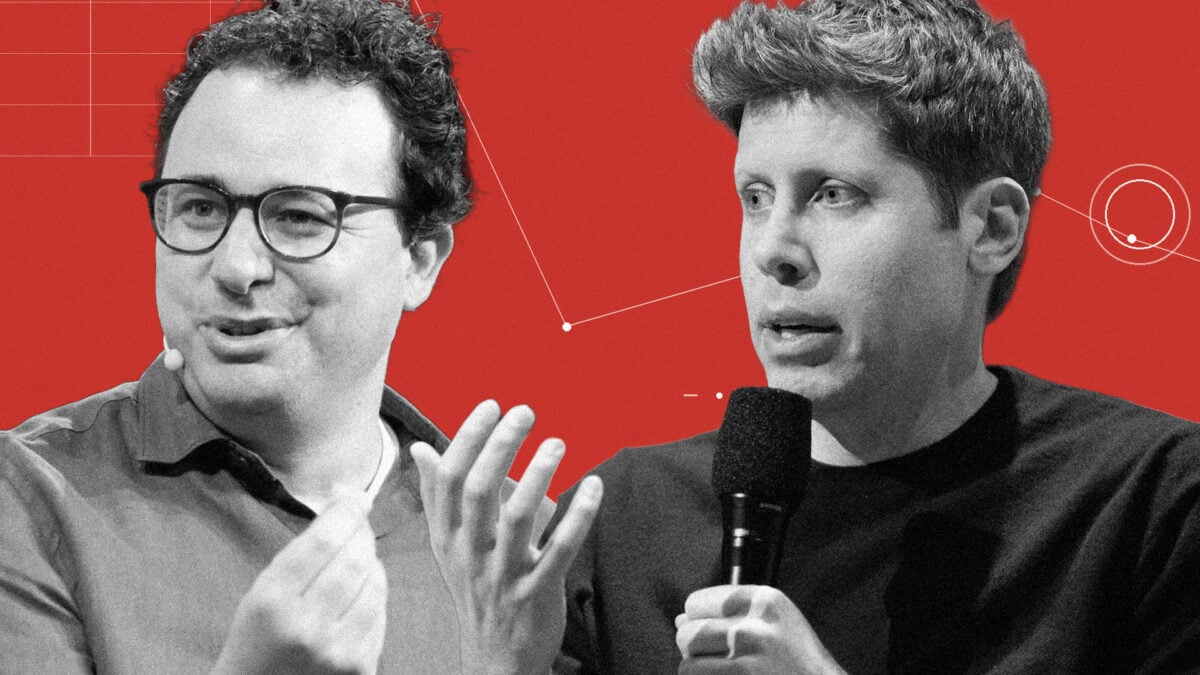 Applied AI
Three Hackers Used Claude to Break Into OpenAI In Less Than 72 Hours
Offense is already using frontier models to accelerate intrusion workflows—assume red teams and real attackers are running multi-model playbooks against you. If your security posture doesn’t model AI-augmented attackers, your threat assumptions are stale.
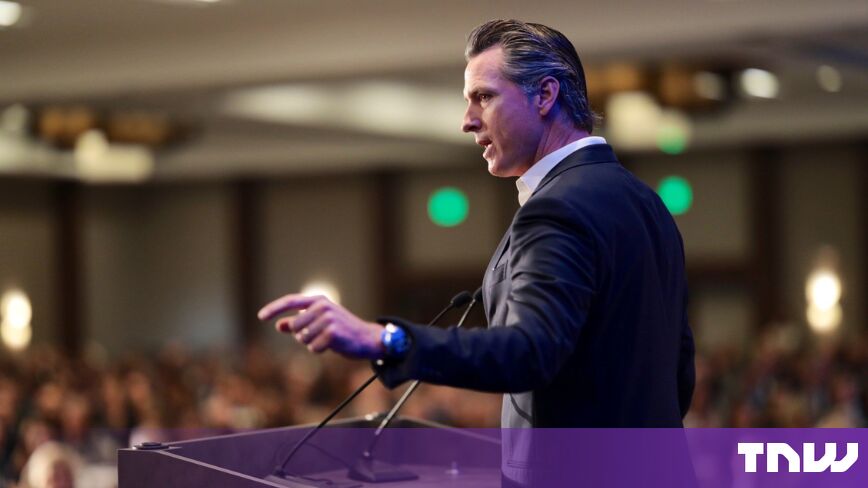 Applied AI
Newsom pitches an AI kill switch for California
California is probing whether frontier models should ship with a regulatory kill switch—governance is drifting from voluntary standards toward hard technical controls. If you deploy or build large models in-state, start mapping how shutdown, rollback, and auditability would work under law, not just policy.
The web was built for people. A tsunami of AI agents is changing that fast.
If AI agents become the dominant ‘users’ of the web, the optimization target shifts from human UX to machine-readable contracts, APIs, and pricing. Operators should assume more of their traffic will be non-human and start deciding what’s free, what’s gated, and what’s explicitly agent-facing.
The Pope's AI advisor says the technology can be worse for kids than cocaine
When a high-profile ethicist compares AI’s impact on kids to cocaine, AI risk moves from technical debate into cultural and moral discourse. Consumer and edtech builders should expect sharper scrutiny on youth exposure, dark patterns, and emotional manipulation in product design.