
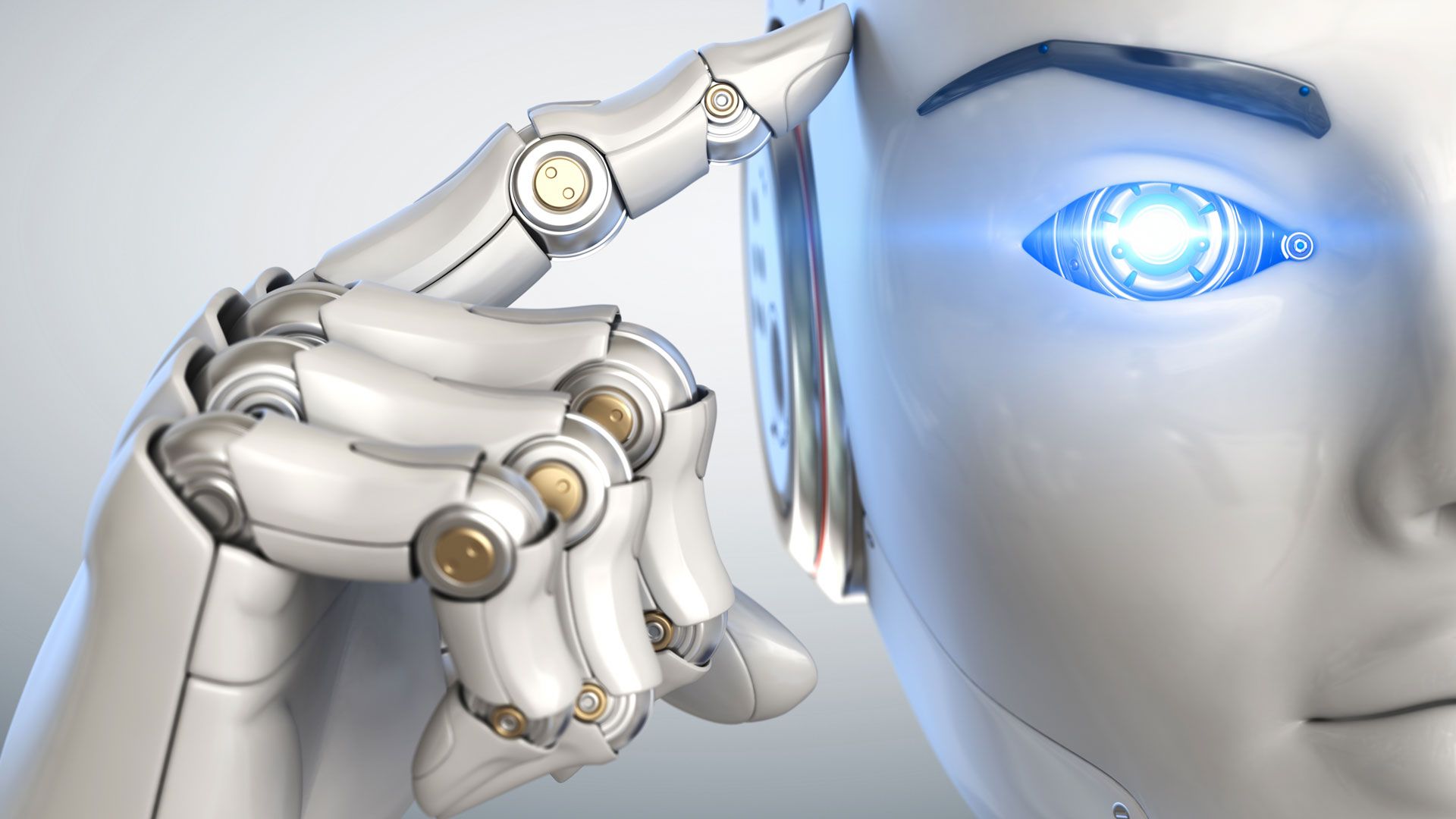
One step closer to the Terminator? Experts reveal robot with 'real muscles' strong enough to jump, swim and grasp
THE SO WHAT
Tissue-based muscle actuators move robots closer to biological motion profiles—quiet, compliant, and power-dense rather than rigid and gear-driven. If you’re in medical devices, soft goods handling, or inspection, start mapping where soft actuators could unlock tasks current cobots can’t safely touch.
READ THE SOURCE
MORE FROM THE WIRE
A Ukrainian war robot used AI to complete a 12-mile supply run almost entirely on its own. The unit says it's a combat first.
Battlefield robots completing 93% of a 12‑mile mission autonomously is a proof point that high-stakes, GPS-denied autonomy is moving from demo to deployment. Defense, logistics, and mining operators should assume similar autonomy stacks will be commercially viable and start mapping which resupply and inspection routes can be handed off first.
 Robotics & Autonomy
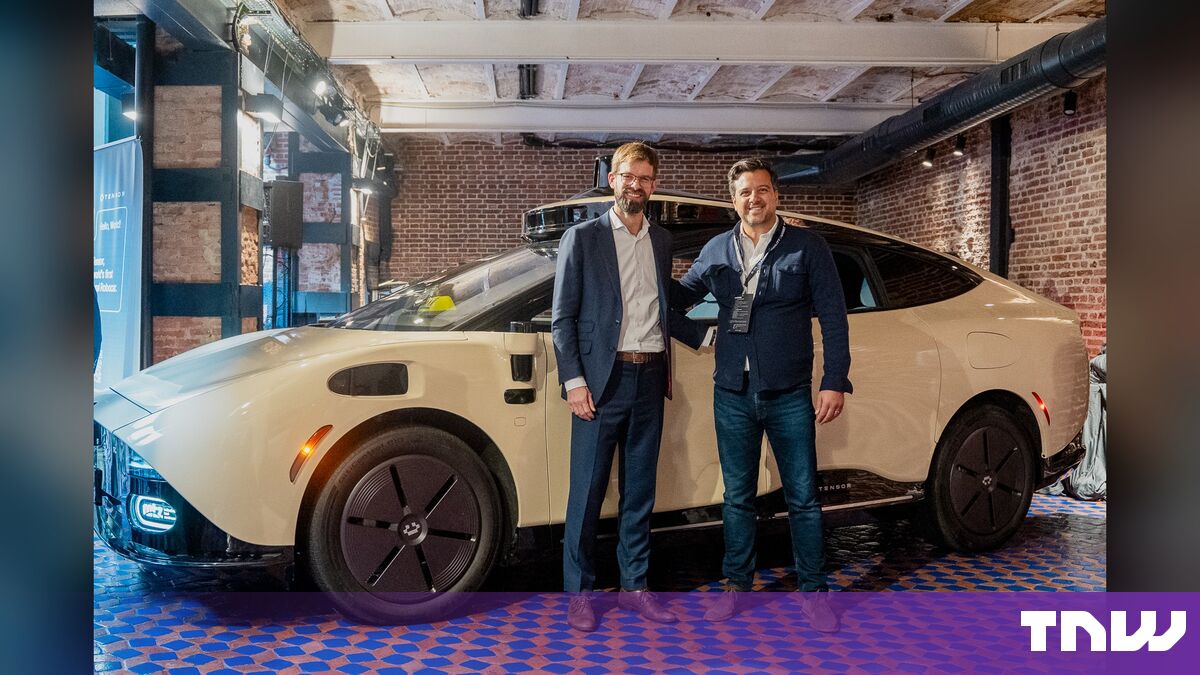
Munich’s biggest taxi firm plans up to 500 Tensor robotaxis in Germany
A major taxi operator planning up to 500 robotaxis in German cities means autonomy is moving from pilots to fleet strategy in tightly regulated markets. Urban mobility operators should be modeling mixed human/AV fleets now—pricing, dispatch, and maintenance will not look like today’s taxi economics.
 Robotics & Autonomy
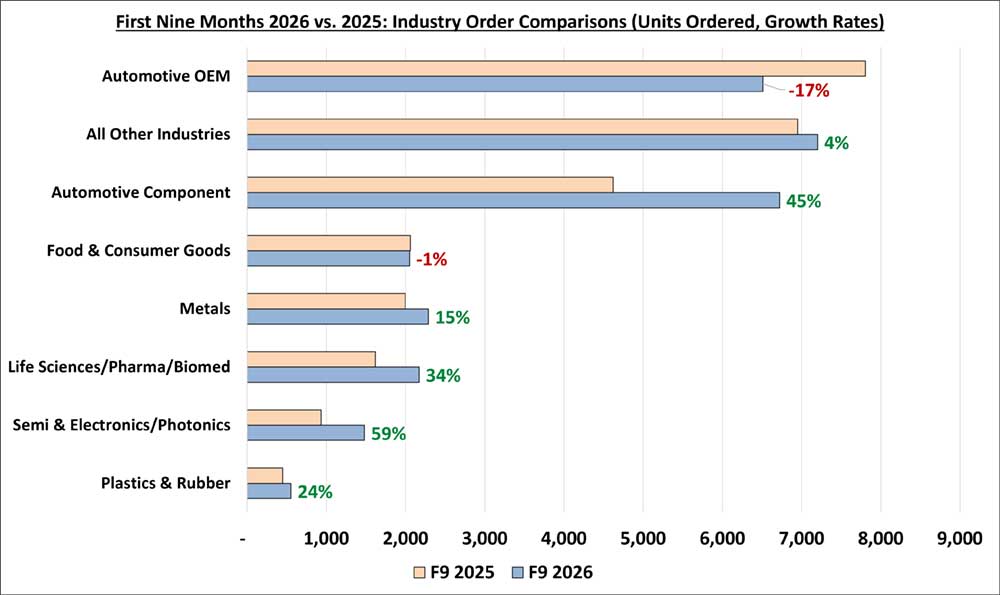
North American robot orders climb 24.8% in Q3 of 2026, says A3
A 24.8% jump in robot orders—driven by nearly doubled demand from auto component makers—signals that capex is shifting from talk to deployment. If you operate in adjacent sectors, expect lead times and integrator attention to tighten over the next 6–12 months.
 Robotics & Autonomy
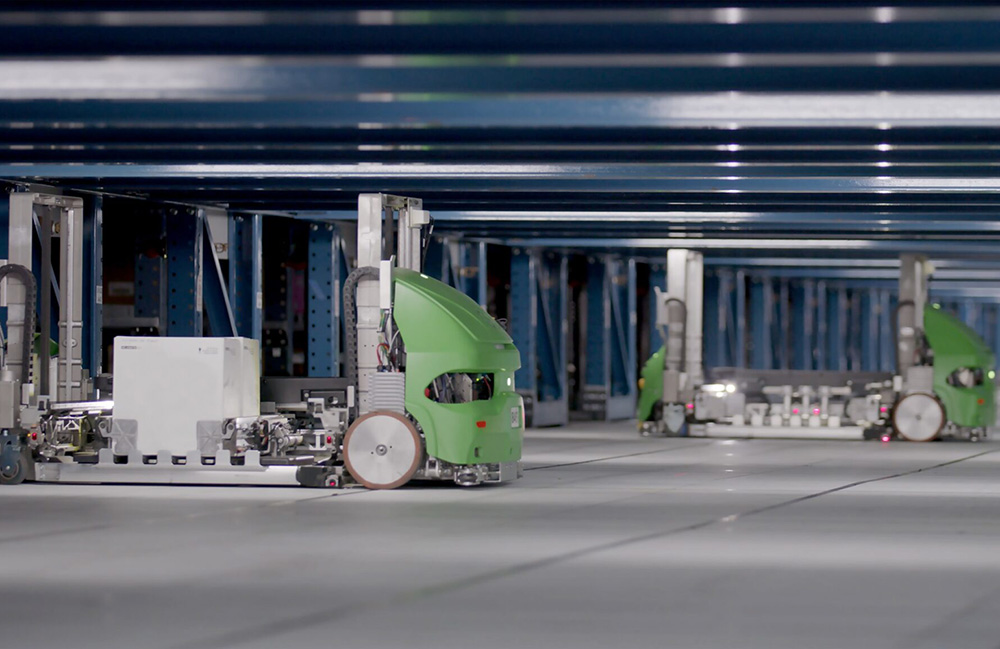
What Symbotic’s Walmart growth teaches robotics startups about anchor customers
Symbotic’s Walmart arc is the canonical anchor-customer trade: one giant buyer can fund your scale and trap your optionality. Robotics founders should model customer concentration, MFN clauses, and roadmap lock-in before signing the deal that “makes” the company.