
Photos show people lining up around the world for the iPhone 18 Pro launch
THE SO WHAT
Fifteen-plus years in, physical launch lines for iPhone still function as a global demand signal and brand ritual. For anyone building on Apple’s stack, that stickiness is the real moat—assume distribution and user willingness to upgrade hardware, not just software, will keep favoring deep iOS integrations.
READ THE SOURCE
MORE FROM THE WIRE
 Tech & Innovation
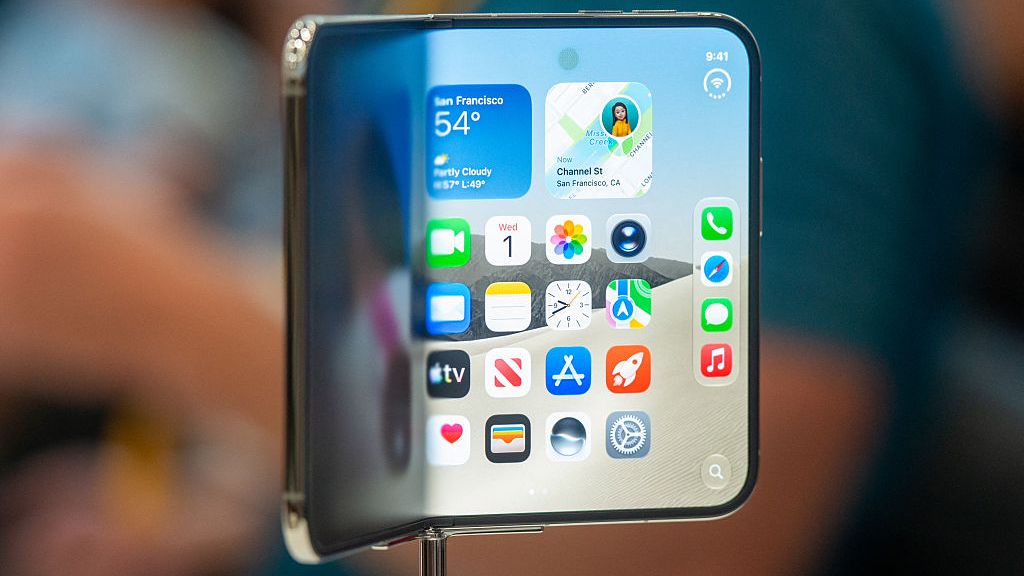
I spoke to Apple’s new VP of Hardware Engineering about why he's ‘especially proud’ of the iPhone Duo’s hinge durability and the reliability of Ceramic Shield 2: ‘When I see someone put a screen protector on their iPhone, it makes my skin crawl’
Apple leaning hard on hinge durability and glass strength is a reminder that hardware reliability is now a core part of the premium moat, not an afterthought. If your device competes on experience, your materials and mechanical stack need as much narrative and investment as your silicon and software.
 Tech & Innovation
Hi-fi and home theater legend Wharfedale announces four(!) new subwoofers, and if that seems like overkill, wait until you see how big the largest one is
Wharfedale dropping four Nova subs from 8 to 15 inches is another bet that enthusiasts will still pay for physical experience even as content delivery goes fully digital. For consumer electronics teams, the bar on niche, high-performance SKUs is rising—your segmentation and channel strategy need to match.
 Tech & Innovation
This is what it's like to be the first person on the new iPhone 18 Pro line at the Apple Store
People still line up for hardware drops—Apple’s iPhone 18 Pro launch shows that controlled scarcity and ritualized rollout remain powerful demand levers. If you’re shipping flagship devices, think about launch choreography as a product surface, not just a PR moment.
 Tech & Innovation
US inherits Venezuelan surveillance state built on banned Chinese tech and AI — and it shows no signs of switching
The US inheriting a surveillance stack built on banned Chinese tech and AI underscores how deeply infrastructure choices can lock in geopolitical dependencies. For anyone building civic or security systems, vendor origin and long-term control need to be treated as strategic variables, not just procurement details.