

Robots are waiting for a ChatGPT moment: Nvidia’s Les Karpas explains why at TechCrunch Disrupt 2026
THE SO WHAT
If robotics is “waiting for a ChatGPT moment,” the constraint is less hardware and more a generalizable reasoning stack that makes robots programmable by non-experts. Industrial operators should treat this as a timing question—map where you’d plug in general-purpose robots once the software catches up, even if you’re not buying yet.
READ THE SOURCE
MORE FROM THE WIRE
 Robotics & Autonomy
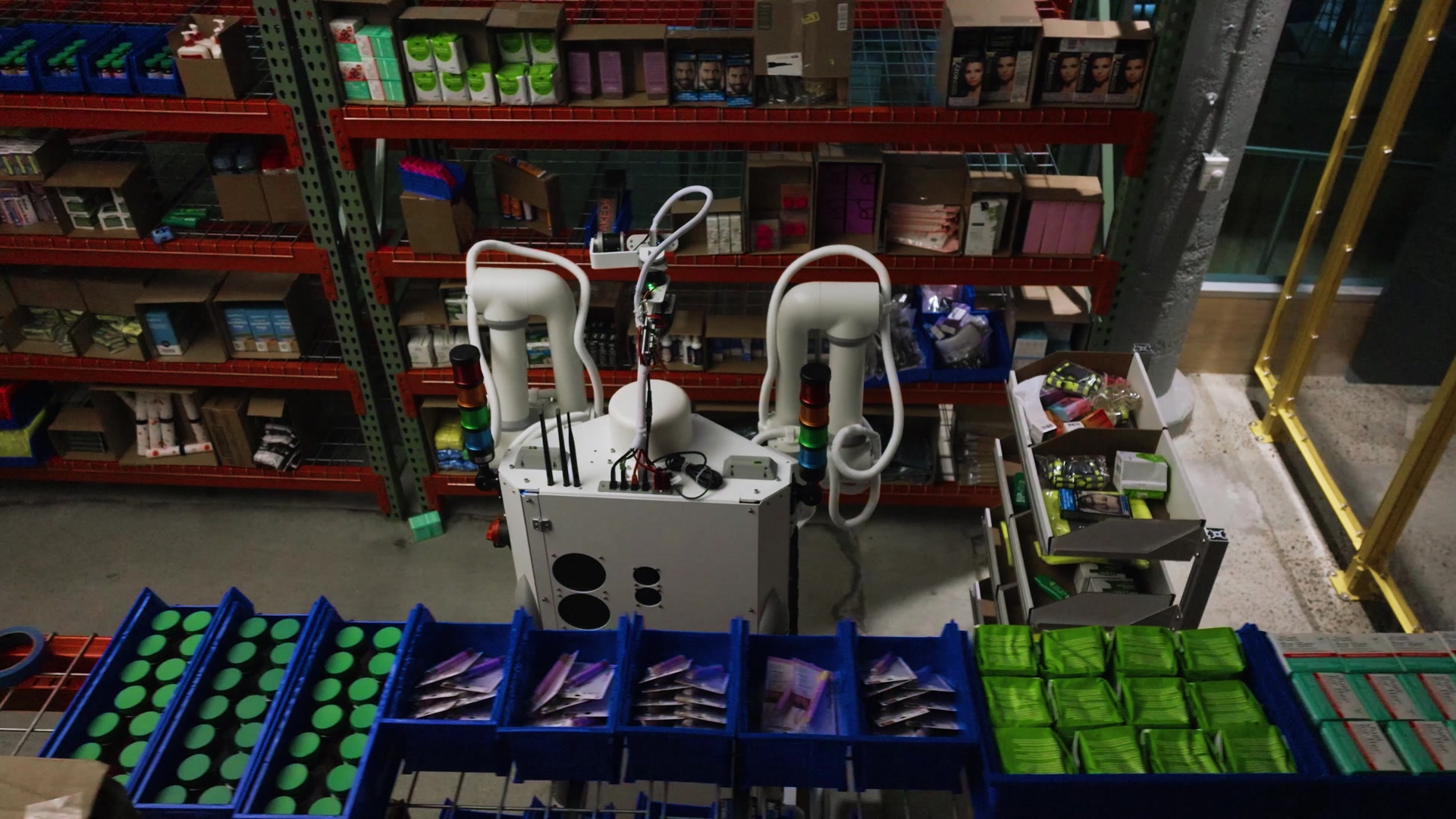
Announcing the next generation of robot workers Cassie and Sonny
Next-gen platforms like Cassie and Sonny are a reminder that warehouse and supply-chain automation is shifting from single-task arms to more general, mobile workers. If you run logistics or light manufacturing, start mapping workflows where a legged or mobile robot could replace incremental conveyor or racking capex over the next 24–36 months.
 Robotics & Autonomy
Roborock Qrevo Edge 2 review: Slim and powerful (with caveats)
A slim robot vacuum that handles low furniture and edge cleaning but struggles with >0.8-inch thresholds shows how home robotics is still gated by mundane constraints like floor transitions and cleaning chemistry. Hardware teams should treat these edge cases as core product requirements, not afterthoughts—returns and reviews hinge on them.
 Robotics & Autonomy
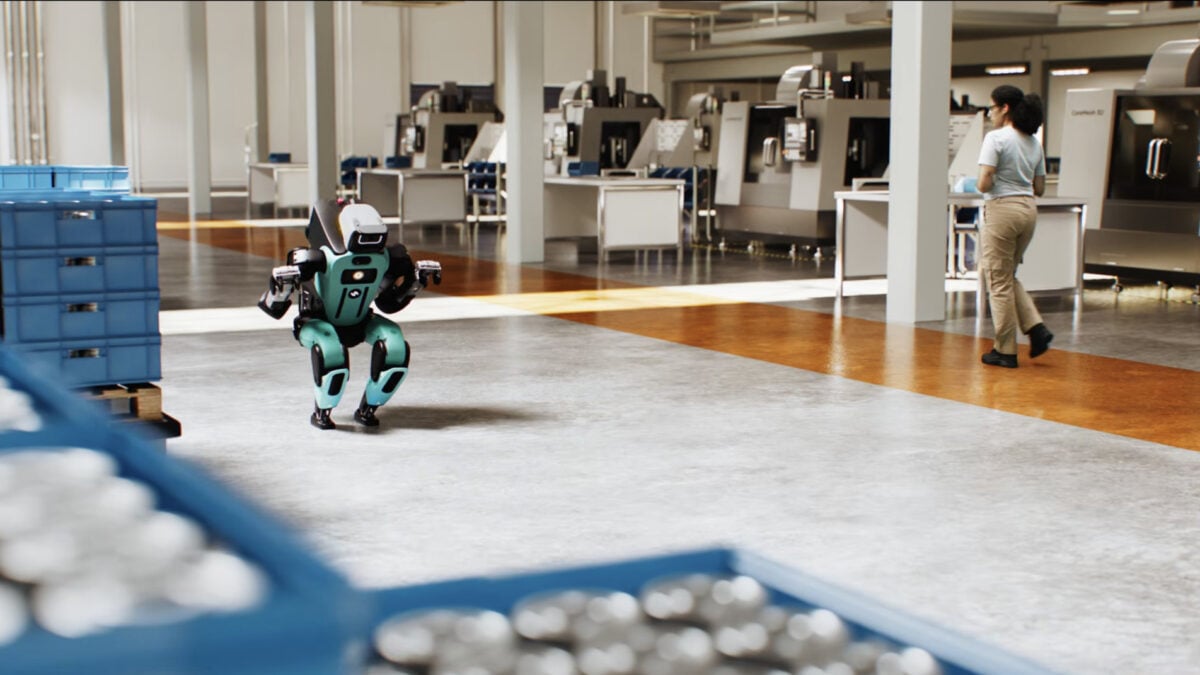
New Humanoid Worker Bot Seems to Cower When It Encounters Humans
Designing humanoids to visibly defer to humans is a UX and liability choice — not just a meme. If you’re piloting floor robots, expect "submissive" behaviors to become part of safety signaling and worker acceptance, and bake that into change management and SOPs.
 Robotics & Autonomy
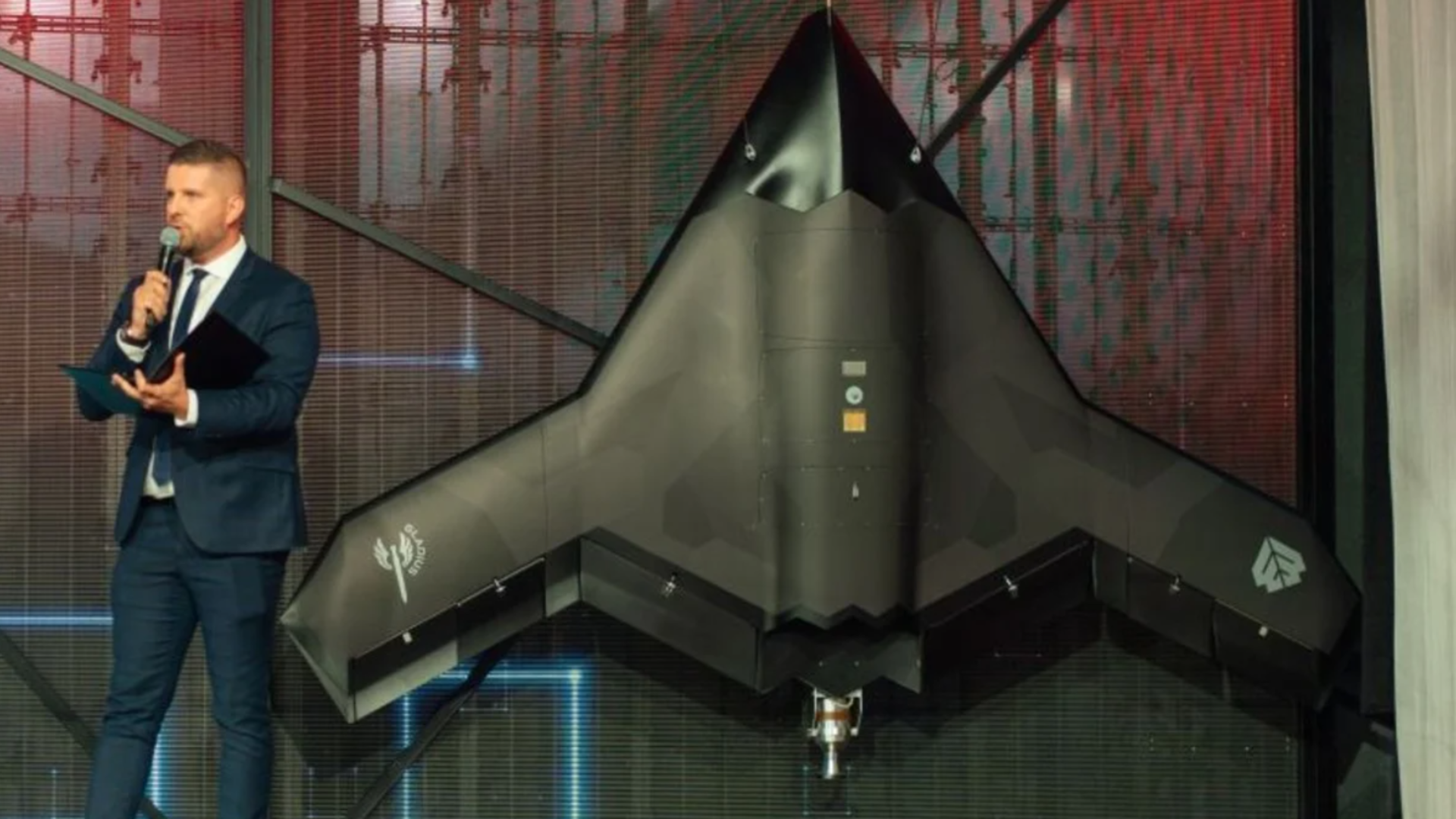
New Polish jet-powered drone looks a lot like a miniature B-2 Spirit stealth bomber, and there's a good reason why
A 30 kg turbojet loitering munition with B-2-style low observability shows how quickly high-end design patterns are diffusing into small, disposable systems. Defense and critical-infrastructure operators should assume more capable, harder-to-detect drones in their threat models within a 2–4 year window, not a decade.