
Rogers Beats as Growing Sports Empire Gives Further Windfall
THE SO WHAT
Rogers’ earnings beat powered by its sports assets underlines that live sports remain a cash-flow engine in a fragmented media landscape. If you’re negotiating distribution or ad spend, premium live rights still command leverage despite cord-cutting.
READ THE SOURCE
MORE FROM THE WIRE
 Tech & Innovation
Samsung Z Fold 8 Ultra hands-on: new Flex Titanium tech makes the crease practically nonexistent, similar specs to the S26 Ultra, and a $100 price increase
Foldables are crossing from novelty to premium slab replacement—“no-crease” plus S26 Ultra-class specs at a modest price delta reframes them as the top of the Android stack. If you build consumer apps, assume more users will treat the inner display as a small tablet and design your layouts and monetization surfaces accordingly.
 Tech & Innovation
The browser wars aren’t about search anymore — here are the best alternatives to Chrome and Safari
Browsers are re-fragmenting around privacy, AI assistance, and vertical features rather than pure search defaults. For product teams, that means testing beyond Chrome/Safari and treating the browser itself as a competitive distribution and UX layer, not a neutral shell.
 Tech & Innovation
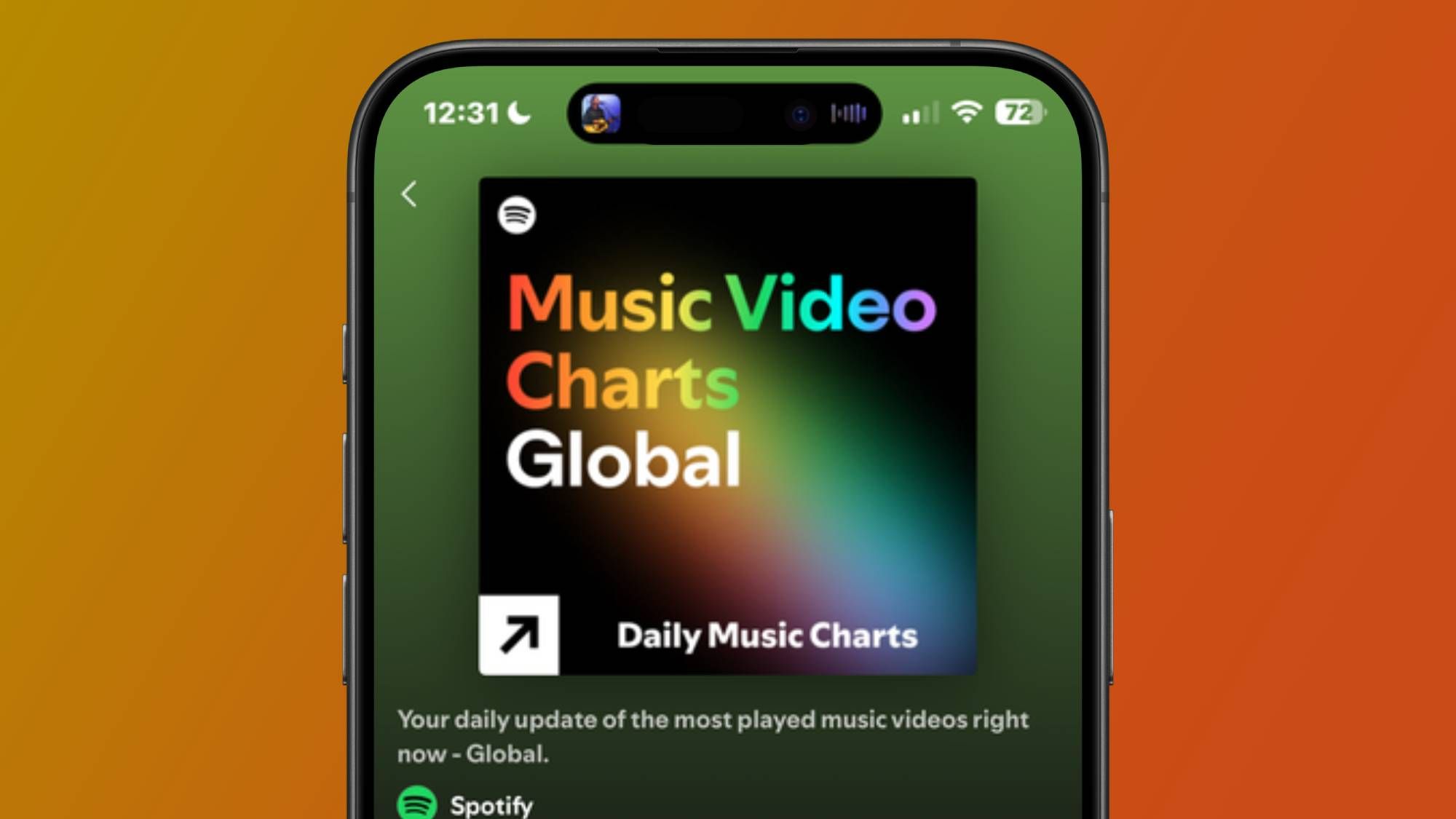
Spotify just launched its first ever music video charts, bringing MTV’s classic format into the streaming era — but I think it’ll be a long time before YouTube users make the switch
Spotify adding global music video charts is a bid to own more of the visual discovery funnel that YouTube dominates. For labels and artists, this creates another surface to game and another data stream to watch—but you don’t reallocate serious budget until Spotify proves it can move video-driven culture, not just audio streams.
 Tech & Innovation
The Light Flip joins the Commodore Callback as an old-school flip phone that could help you beat your social media addiction
The rise of “dumb” flip phones as anti-social-media devices is a small but persistent backlash against engagement-maximizing UX. Consumer apps should assume a non-trivial slice of high-value users will deliberately reduce screen time—design for episodic, high-intent usage rather than constant micro-interactions.