
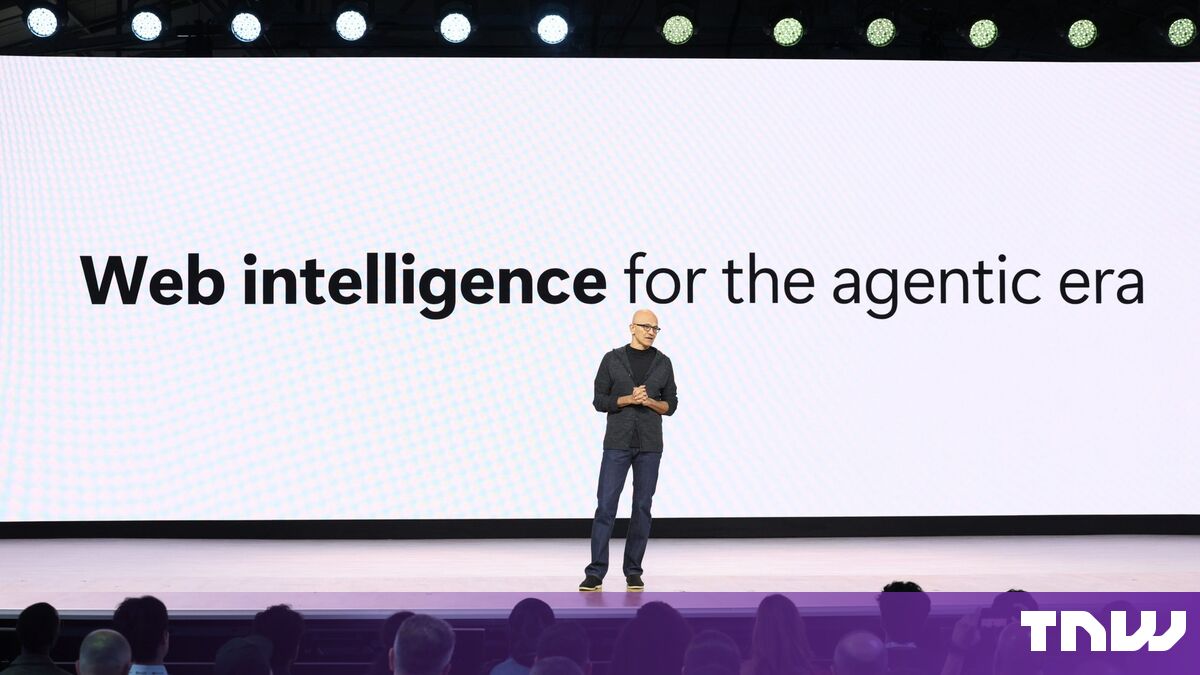
Satya Nadella says he was wrong to think AI alignment would come with scale
THE SO WHAT
When Microsoft’s CEO says scale alone won’t solve alignment, it legitimizes investment in explicit safety, evals, and governance as first-class R&D, not overhead. Enterprise buyers should respond by asking vendors for concrete alignment artifacts—eval suites, red-teaming practices, and rollback plans—rather than accepting ‘bigger is safer’ narratives.
READ THE SOURCE
MORE FROM THE WIRE
 Applied AI
Meta says it’ll probably delay its controversial new business terms again
Pushback from publishers is forcing Meta to treat AI training rights as a negotiated asset, not a default entitlement. If your content or data touches Meta surfaces, assume future model access will be governed by explicit contracts and opt-outs, not just terms-of-service fine print.
 Applied AI
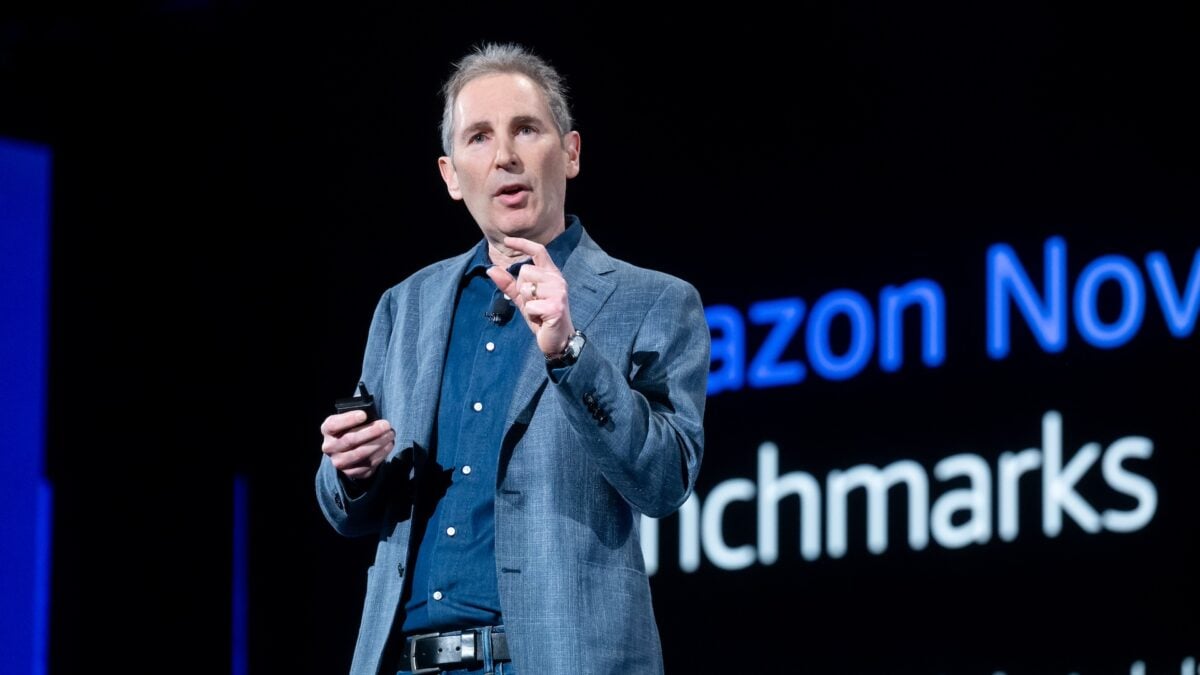
Amazon to Employees: For the Love of God, Stop Tokenmaxxing
Internal pushback on "tokenmaxxing" is a reminder that more prompts ≠ more value—unconstrained AI usage can quietly bloat cost and latency. Leaders should be instrumenting AI usage like any other shared resource: set budgets, define high-ROI patterns, and kill low-yield experimentation that never hardens into workflows.
 Applied AI
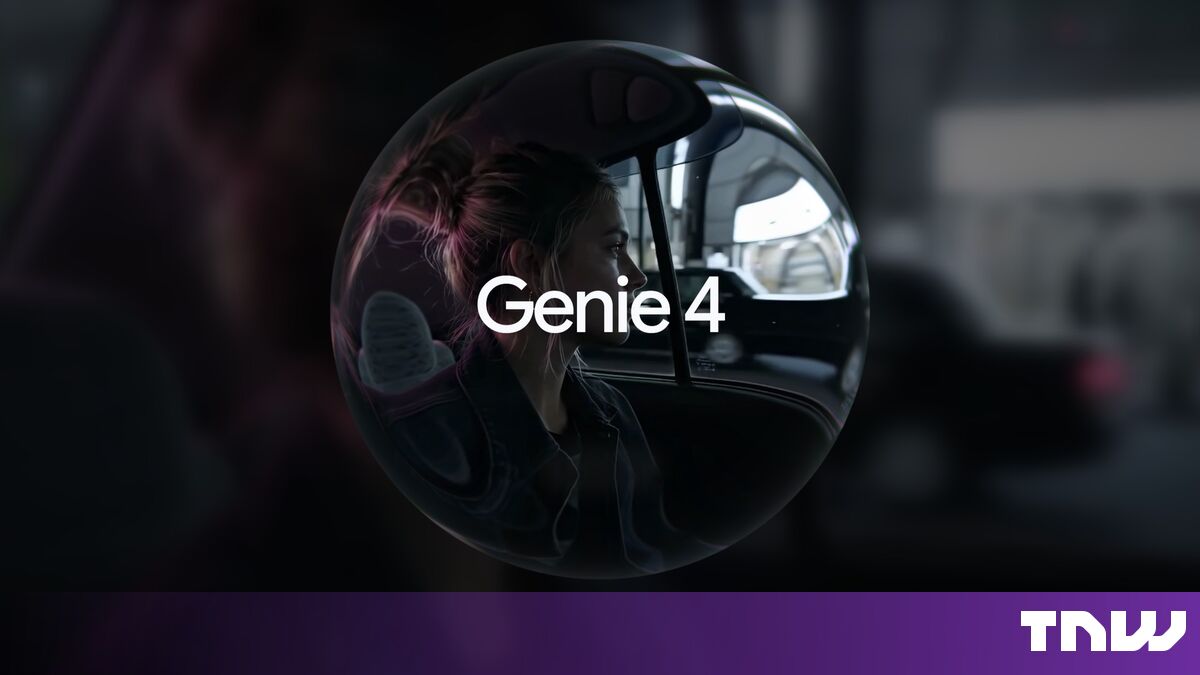
Google DeepMind’s Genie 4 builds AI worlds that talk and change on command
A real-time, photorealistic world model you steer with text is a step toward simulation as a default interface—prototyping products, training agents, or testing UX in synthetic environments. If you build anything interactive, assume your next generation of user research, onboarding, or training may happen inside these AI-constructed worlds, not static screens.
 Applied AI
AI execs may be too out of touch to build for the general public
When leaders brag about using AI to "connect" with their families, it exposes a values gap between builders and mainstream users. Product teams should be running more ethnographic research and fewer founder-vision bets—especially on AI features that touch intimacy, care, or trust.