
Scenes From the 2026 Beijing World Humanoid Robot Games
THE SO WHAT
Two thousand humanoids from 666 teams means the talent and vendor base for general-purpose robots is getting broad, not niche. If you run operations with repetitive physical tasks, you now have a real buyer’s market emerging — start mapping where a humanoid could slot into your existing SOPs.
READ THE SOURCE
MORE FROM THE WIRE
At China's robot Olympics, the finish line comes with a padded wall and a stretcher
China turning humanoid development into a national-scale competition signals a push to normalize failure and iterate fast in public. If you’re betting on physical AI, assume the pace of hardware learning curves will be set by ecosystems willing to treat broken robots as the cost of progress.
 Robotics & Autonomy
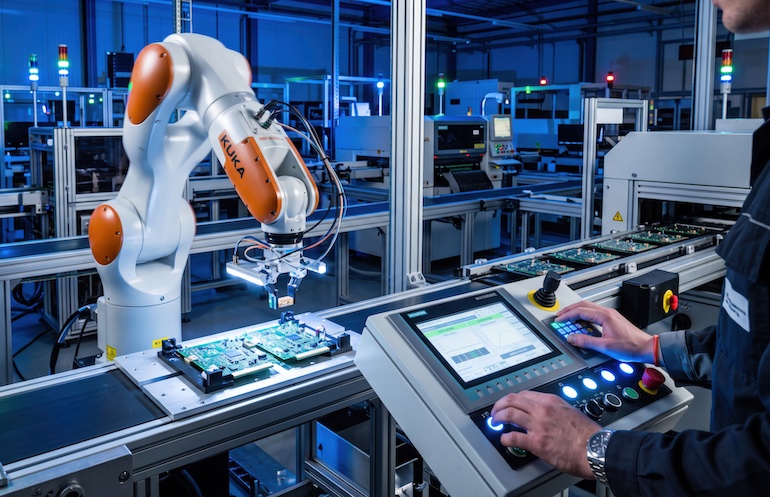
Robots don’t run themselves: The workforce powering physical AI
Physical AI adds a second workforce—the humans who deploy, monitor, and maintain robots—where KPIs go beyond throughput. If you’re rolling out robots, budget as much for ops roles, training, and exception handling as for the hardware itself, or your ROI math will be wrong from day one.
 Robotics & Autonomy
The technology that could bring robot mowers to one in two American lawns
If AI, GNSS, and vision are good enough for half of American lawns, they’re good enough for a lot of low-complexity outdoor tasks. Landscaping, facilities, and light municipal work are now in scope for consumer-priced autonomy—start mapping which repetitive jobs you’d hand off first.
 Robotics & Autonomy
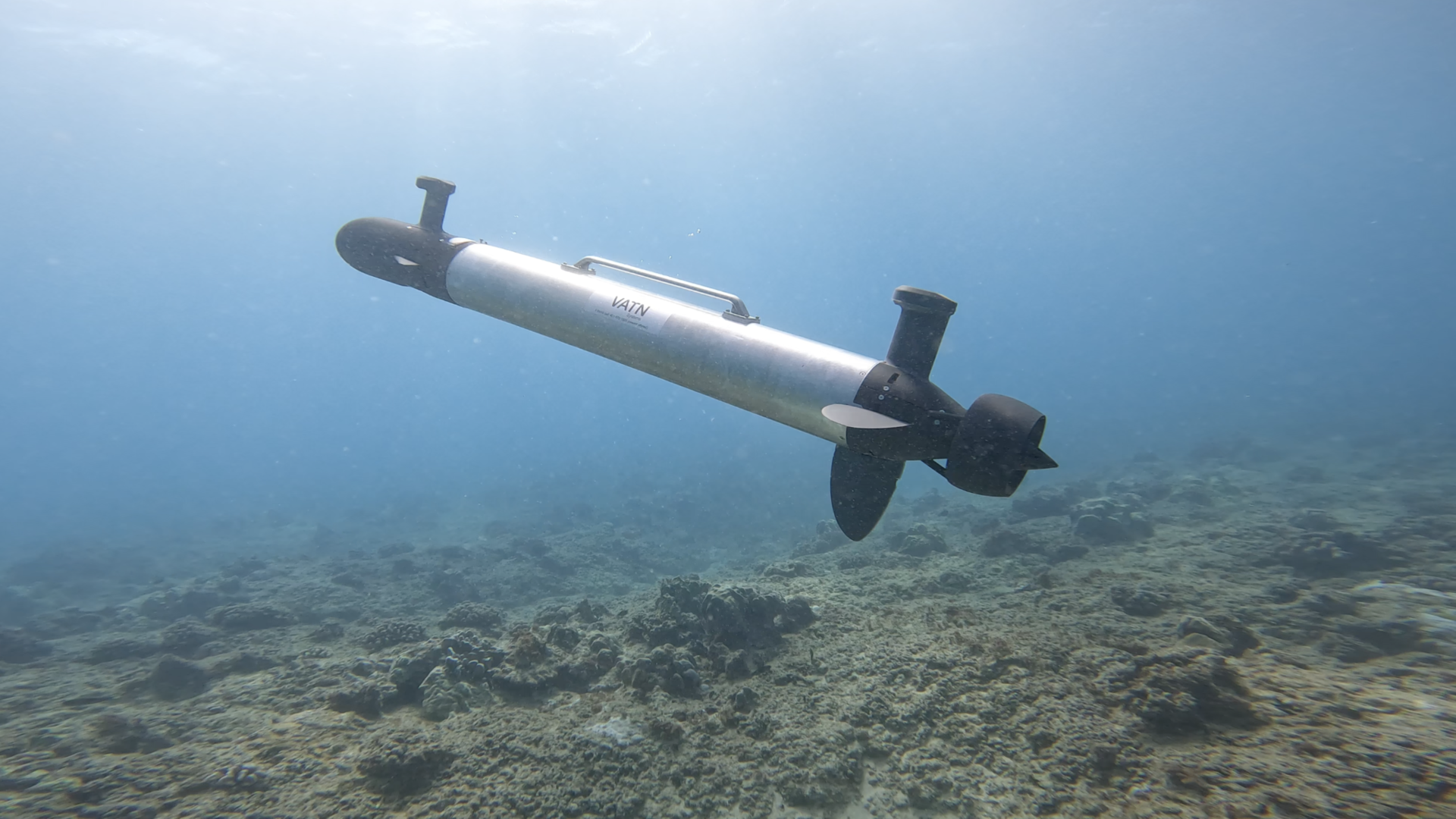
Taiwan taps US startup Vatn for modular S12 undersea drones – Washington’s ally turns to cheaper underwater systems
Taiwan leaning on a US startup and NCSIST for modular undersea drones is a bet on quantity and cost over bespoke platforms. Defense and dual-use robotics teams should expect more demand for modular, swappable payload architectures that can be iterated faster than traditional procurement cycles.