
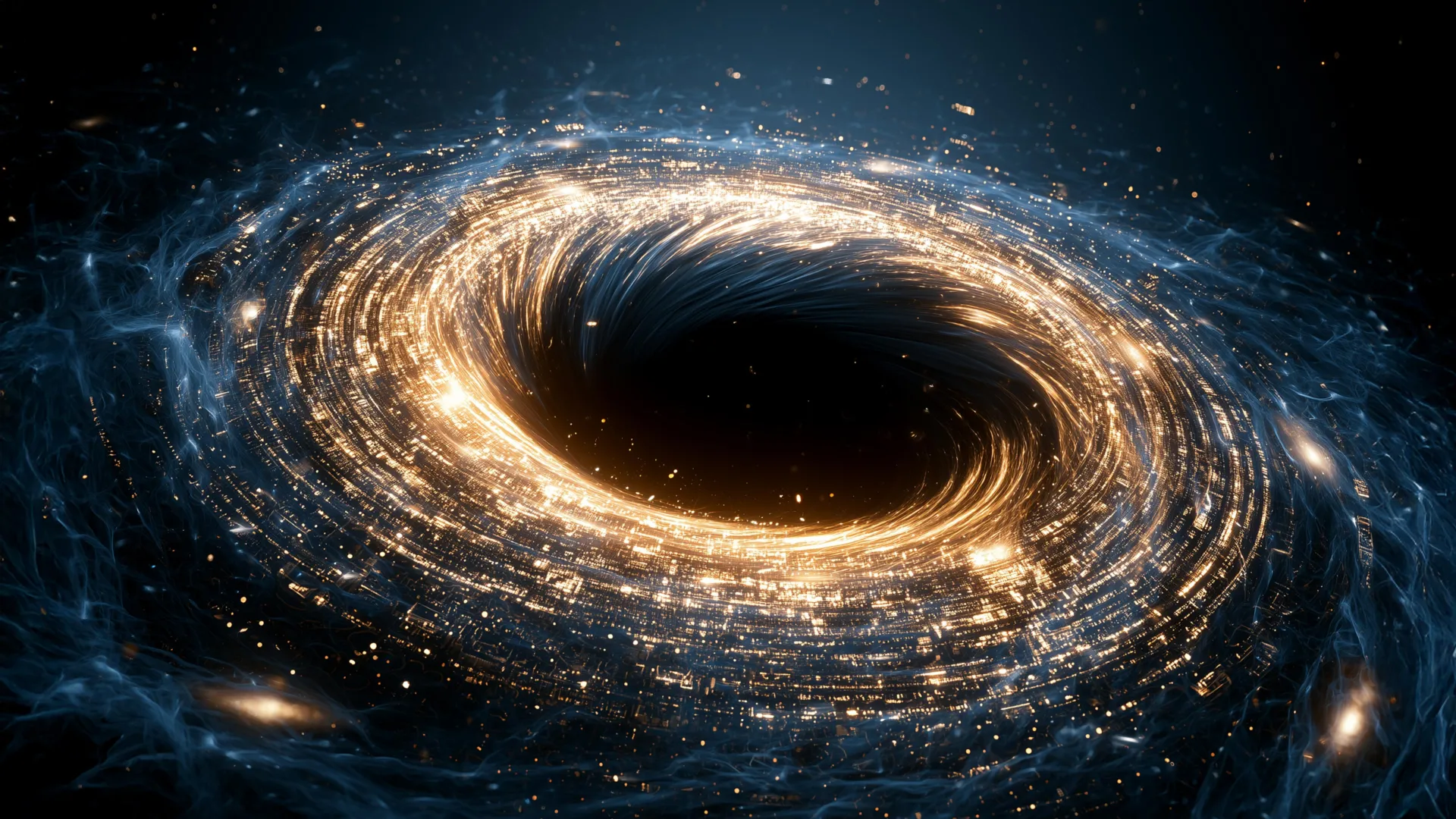
Scientists may have finally solved the black hole information paradox
THE SO WHAT
If the black hole information paradox is addressed via seven-dimensional geometry and stable remnants, it’s another case where abstract math eventually constrains real-world physics. For deep-tech investors and R&D leaders, it’s a reminder that some of tomorrow’s platforms will come out of today’s "useless" theory work.
READ THE SOURCE
MORE FROM THE WIRE
 Deep & Emerging Tech
NASA's Hubble spots a stellar sparkler for the Fourth of July
Public space imagery like Hubble’s 250th-anniversary release is still one of the most effective on-ramps into STEM and deep tech. If you’re hiring for hard science or physics-heavy roles, aligning your brand with this kind of long-horizon exploration is cheap, durable talent marketing.
 Deep & Emerging Tech
NASA's Hubble captures a crimson stellar nursery sparkling with blue and white stars
Hubble’s detailed view of a 2,500‑star nursery is another reminder that high-fidelity observational data keeps compounding in astronomy. For data and simulation teams, it’s a template: long-lived instruments plus consistent pipelines beat one-off experiments when you’re trying to unlock new physics.
 Deep & Emerging Tech
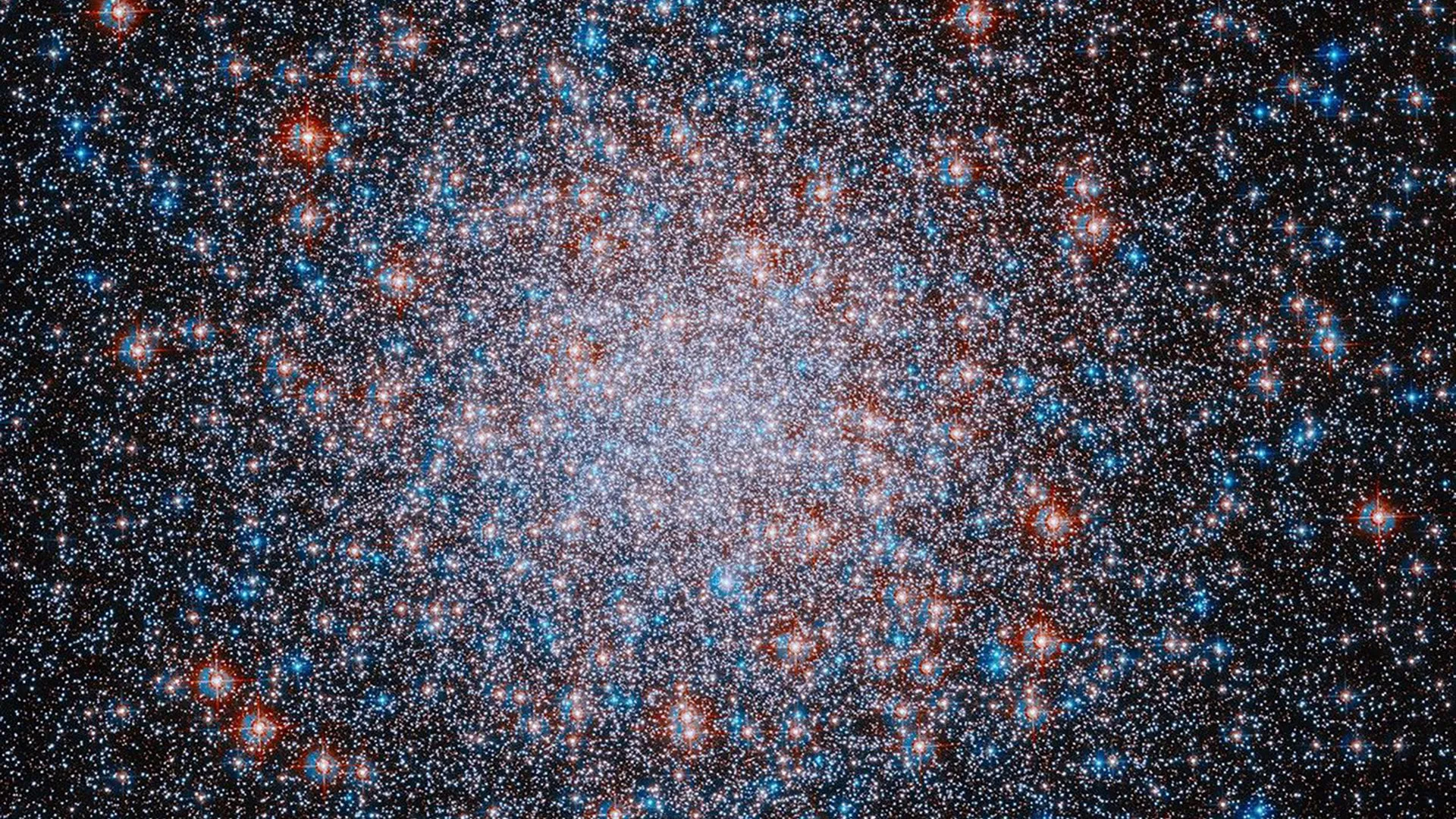
NASA's Hubble captures a star-spangled sea of 500,000 stars
A 500,000‑star Hubble portrait of Messier 3 underscores how much value still comes from "old" platforms when the data is clean and cumulative. Before you chase the next sensor or stack, audit whether you’re fully exploiting the long-baseline data you already collect.
 Deep & Emerging Tech
Live coverage: Semiconductor manufacturing test bed to fly alongside Starlink satellites on Falcon 9 launch
Semiconductor manufacturing pods hitching a ride on a Starlink Falcon 9 launch point to a future where parts of the chip supply chain move off-planet—microgravity process advantages plus orbital redundancy. For hardware and infra operators, this is an early signal to track: long-term resilience planning for compute may eventually include space-based fabs as a hedge against terrestrial chokepoints.