
Sources: OpenAI's Q2 revenue grew 18% QoQ to $6.7B, but its operating margin sank further; Anthropic more than doubled its revenue to $11.6B in the same period
THE SO WHAT
An 18% QoQ climb to $6.7B with falling margins versus Anthropic more than doubling to $11.6B underscores how expensive growth is at the frontier and how quickly share can move. Enterprise buyers should expect aggressive pricing and bundling over the next 6–12 months—lock in terms, but keep optionality for a second model vendor.
READ THE SOURCE
MORE FROM THE WIRE
 Applied AI
Cerebras unveils CS-4, a server rack powered by three WSE-3 Turbo chips and built around its new Nexus architecture, with first shipments starting this quarter
A full-rack CS-4 built around WSE-3 Turbo and Nexus is Cerebras saying “we’re not just a chip, we’re a system SKU” — that’s how you get into serious RFPs. If you’re GPU-constrained, it’s time to benchmark at the rack level, not the chip level, and pressure your infra team to model non-GPU architectures.
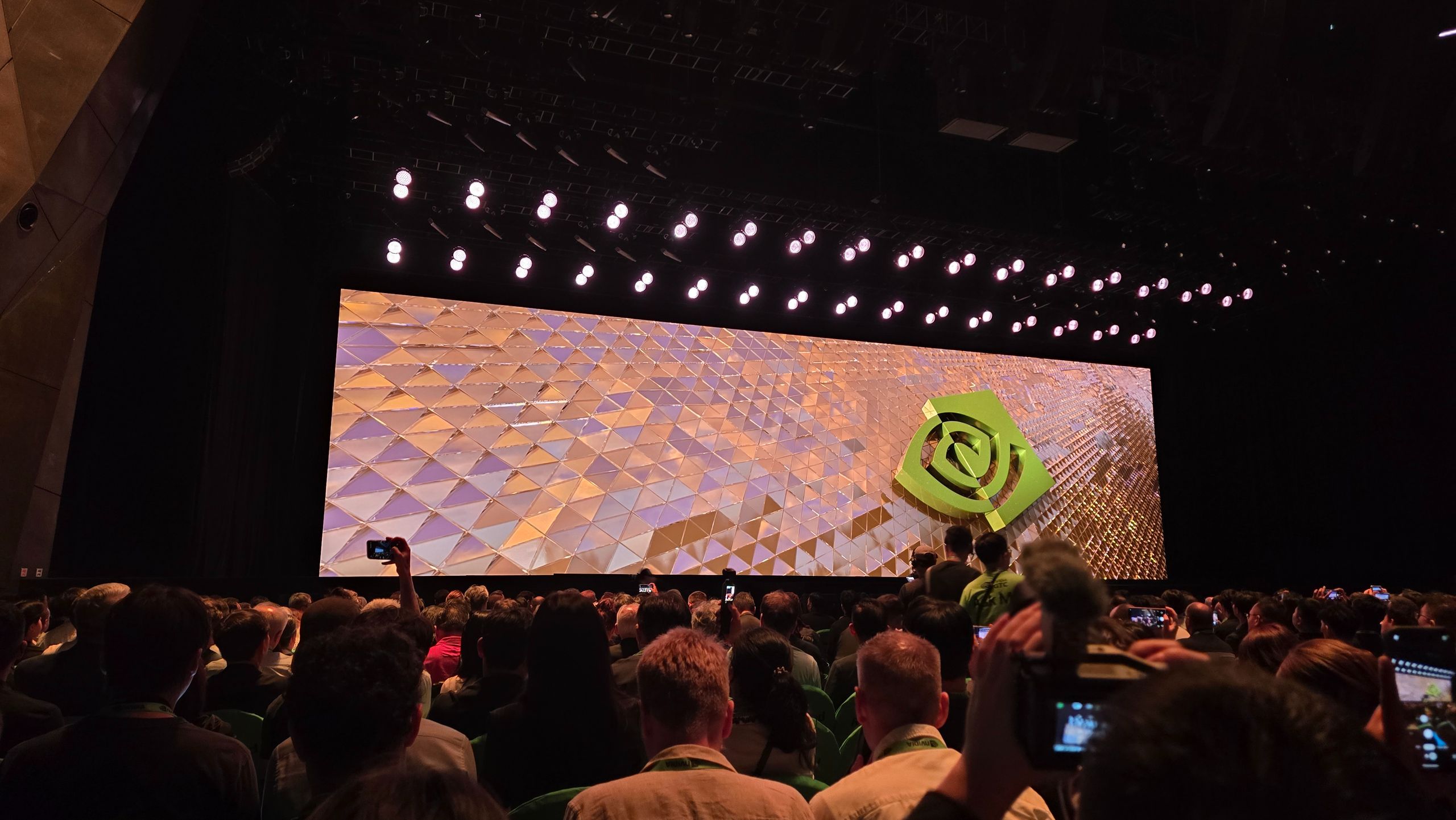 Applied AI
Nvidia wants to stop AI costs skyrocketing with its new software router — but will it really make a difference?
When a software router is marketed as cutting AI costs by 74% but partners can’t validate the edge over just using cheaper models, you’re seeing the limits of infra-only optimization. Treat these claims as upside, not baseline — the real savings still come from model choice, pruning, and workload design.
Applied AICerebras (CBRS) Says Its New Computer Boosts AI Speed Advantage Over Nvidia
Cerebras pitching a faster full “computer” versus Nvidia gear is a shift from chip specs to wall-clock outcomes — training time, throughput, and TCO. If you’re planning multi-year model programs, you now have a credible alternative to at least model in your infra roadmap, especially for large, dense workloads.
Applied AICerebras’s stock has been a post-IPO bust. Its comeback hinges on this new chip.
A public-market overhang forces Cerebras to prove that specialized wafers beat GPUs as agentic workloads scale — not in theory, but in booked contracts. For buyers, that pressure is leverage: push for aggressive pricing and clear performance SLAs before you bet on a non-GPU architecture.