
Survey: only 11% of ~400 businesses could forecast AI spending; a study finds lower-priced models cost more than higher-priced models on 32% of 6,800+ tasks
THE SO WHAT
If only 11% of businesses can forecast AI spend and cheaper models cost more on a third of tasks, then ‘model choice’ is now a FinOps problem, not just a quality decision. This week, ask your teams for a simple report: per use case, which model are we using, what’s the effective cost per task, and how volatile is that bill month to month.
READ THE SOURCE
MORE FROM THE WIRE
 Applied AI
The best AI opportunities for investors may not look like AI companies
Value is drifting from pure-play AI apps to incumbents that quietly absorb models into existing workflows and distribution. If you’re building in a non-AI vertical, you can still capture AI upside by owning the workflow and treating models as interchangeable parts.
 Applied AI
Apple will start limiting Mac disk access for developers due to risk of AI agents
Apple tightening Full Disk Access in response to AI agents is a clear sign that OS vendors will govern agent autonomy at the platform level. If you’re building agentic workflows on macOS, plan for more granular permissions, more prompts, and the need to justify every privilege you request.
 Applied AI
OpenAI is sticking more ads in ChatGPT
Turning ChatGPT’s image generation surface into an ad slot confirms the assistant is now an ad and commerce channel, not just a tool. If your product relies on ChatGPT for discovery or UX, assume you’re competing with sponsored responses inside the same interface.
 Applied AI
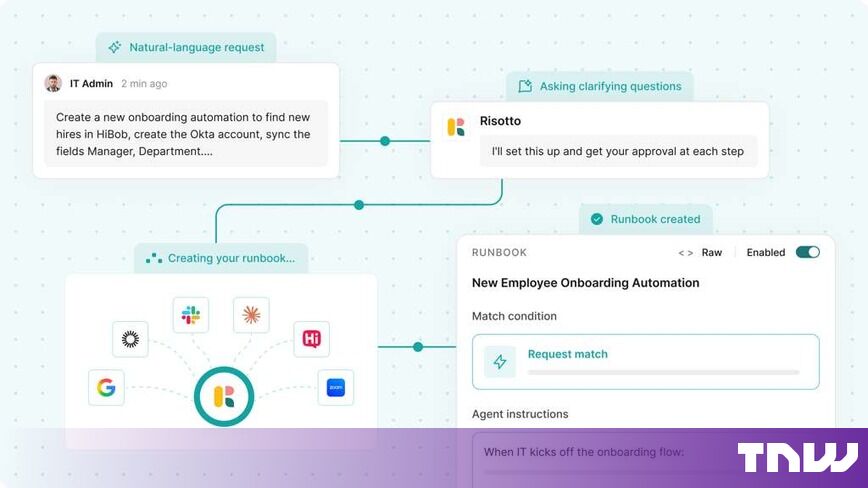
Risotto launches an ‘Autonomous IT Engineer’ for complex IT tickets
Moving from Tier-1 chatbots to an “autonomous IT engineer” for complex tickets is a direct attempt to compress Tier-2/3 headcount. CIOs should pilot this class of tool on constrained domains and measure not just resolution time, but escalation patterns and failure modes.