

TechCrunch Mobility: A roadblock clears for self-driving trucks
THE SO WHAT
Regulatory and operational barriers falling for self-driving trucks move autonomy from pilot theater toward real freight capacity. If logistics or manufacturing is core to your business, start mapping which lanes and partners could go autonomous first and how that changes your cost structure and service levels.
READ THE SOURCE
MORE FROM THE WIRE
 Robotics & Autonomy
Xpeng Says It Can Quickly Adapt Car Autopilot Systems for Europe
Xpeng claiming it can retarget its ADAS stack to European roads with relatively little data is a bet on transfer learning over brute-force local mapping. For any autonomy program, the bar is moving from “works in one market” to “portable across regulatory and road regimes” — design your data and validation pipelines accordingly.
Robotics & AutonomyPitchBook: robotics and physical AI companies have raised ~$48B YTD, as they gather training data from people completing tasks in factories, offices, and homes
Nearly $48B into physical AI with cameras in homes, offices, and factories means the real moat is shifting to proprietary human-task datasets, not just robot hardware. If you operate in these environments, you’re about to be asked for data access terms—get your privacy, IP, and revenue-sharing stance written down before the robots show up.
 Robotics & Autonomy
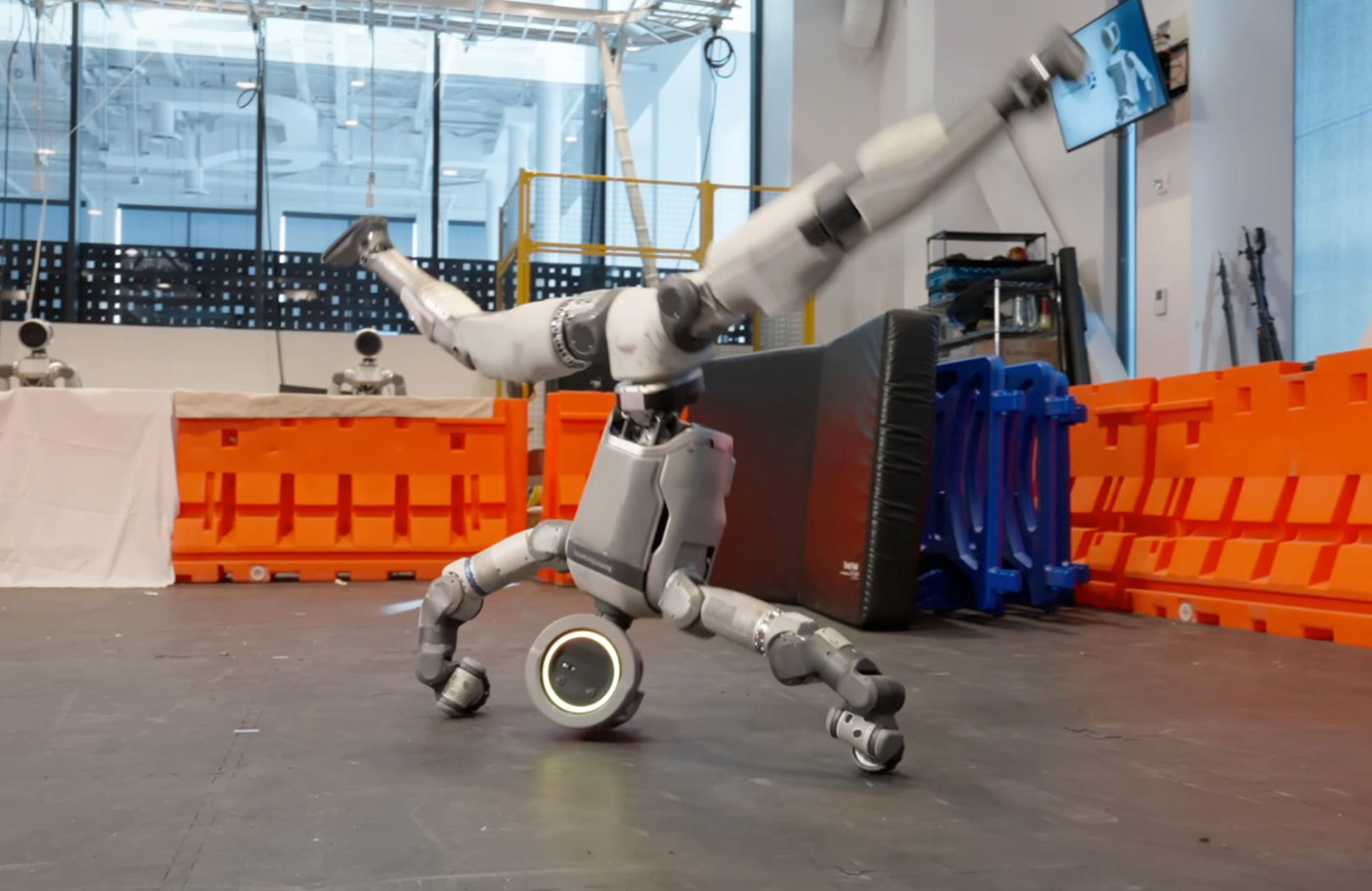
Will ‘boring’ robots win in the real world? Why robotic form should follow workflow
The center of gravity in robotics is moving from humanoid spectacle to workflow-specific form factors that actually clear bottlenecks. If you’re scoping automation, start from your constraint step and work backward—don’t buy a general-purpose robot and then hunt for jobs it can do.
Robotics & AutonomyWorx's Landroid Vision Cloud WR306E is well worth a punt for efficient lawn care on a relative budget
Consumer robots that can tolerate “some set-up shenanigans” but then run reliably are a preview of near-term expectations for home and light-facility autonomy. If you sell into SMB or prosumer segments, assume customers will accept rough edges at install in exchange for low-opex automation.