
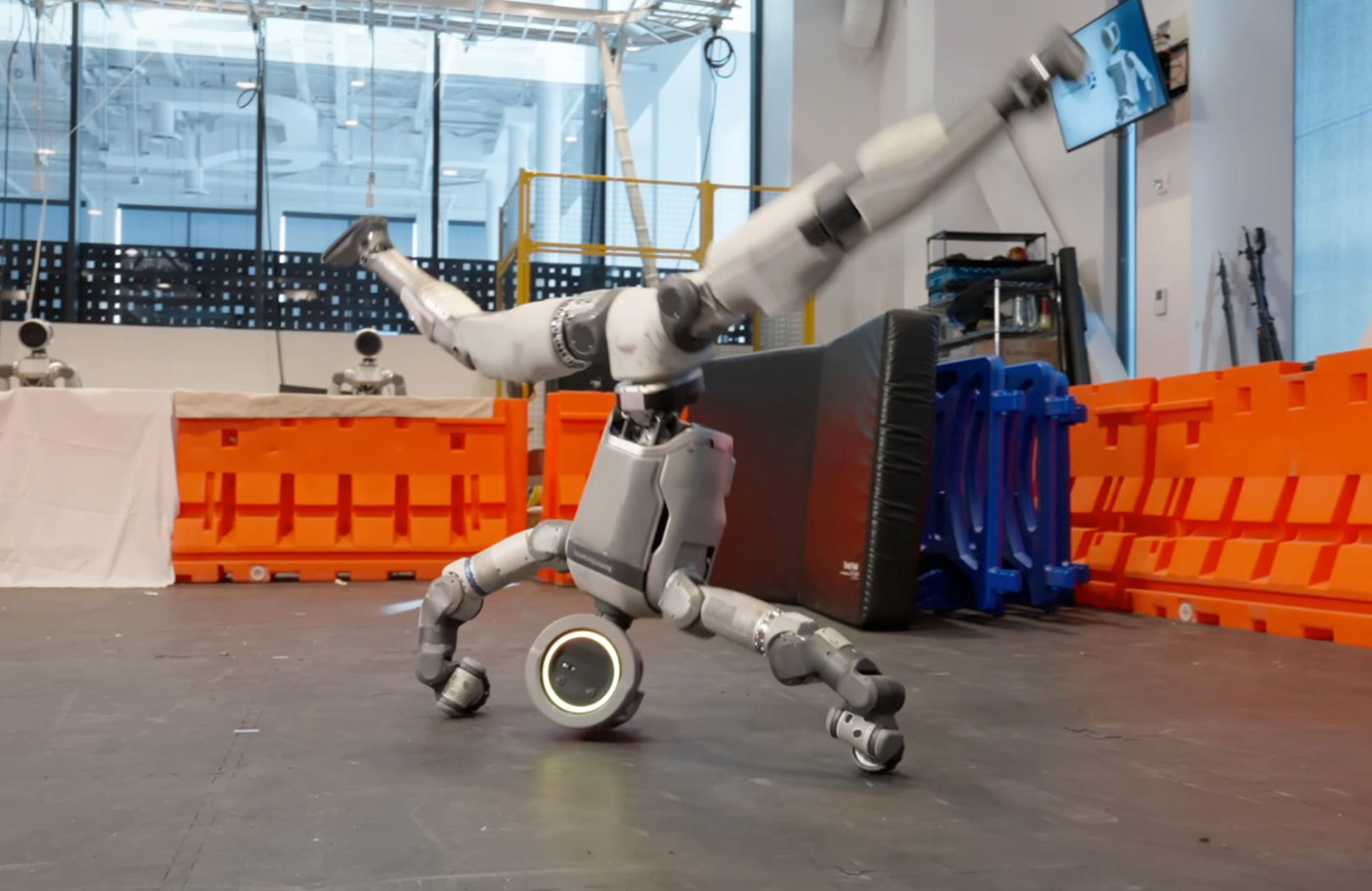
Will ‘boring’ robots win in the real world? Why robotic form should follow workflow
THE SO WHAT
The center of gravity in robotics is moving from humanoid spectacle to workflow-specific form factors that actually clear bottlenecks. If you’re scoping automation, start from your constraint step and work backward—don’t buy a general-purpose robot and then hunt for jobs it can do.
READ THE SOURCE
MORE FROM THE WIRE
 Robotics & Autonomy
Xpeng Says It Can Quickly Adapt Car Autopilot Systems for Europe
Xpeng claiming it can retarget its ADAS stack to European roads with relatively little data is a bet on transfer learning over brute-force local mapping. For any autonomy program, the bar is moving from “works in one market” to “portable across regulatory and road regimes” — design your data and validation pipelines accordingly.
Robotics & AutonomyPitchBook: robotics and physical AI companies have raised ~$48B YTD, as they gather training data from people completing tasks in factories, offices, and homes
Nearly $48B into physical AI with cameras in homes, offices, and factories means the real moat is shifting to proprietary human-task datasets, not just robot hardware. If you operate in these environments, you’re about to be asked for data access terms—get your privacy, IP, and revenue-sharing stance written down before the robots show up.
Robotics & AutonomyWorx's Landroid Vision Cloud WR306E is well worth a punt for efficient lawn care on a relative budget
Consumer robots that can tolerate “some set-up shenanigans” but then run reliably are a preview of near-term expectations for home and light-facility autonomy. If you sell into SMB or prosumer segments, assume customers will accept rough edges at install in exchange for low-opex automation.
Robotics & AutonomyA look at Beijing-based Neolix, which operates the world's largest robovan fleet at 27K, as Shenzhen tests nighttime parcel deliveries by driverless vehicles
A 27,000-vehicle robovan fleet and Shenzhen’s nighttime delivery pilots show autonomy scaling first where labor is expensive, streets are predictable, and customers tolerate low-touch service. Logistics and retail operators should be mapping which of their routes look most like “after-dark Shenzhen” — that’s where pressure to adopt will land first.