

The differences between decentralized and centralized power in swarm robotics
THE SO WHAT
Power architecture is becoming a first-class design choice in swarm robotics — centralized, decentralized, or hybrid directly shapes scalability, fault tolerance, and maintenance cost. If you’re scoping multi-robot systems, treat power distribution as a core systems decision, not an afterthought to control algorithms.
READ THE SOURCE
MORE FROM THE WIRE
 Robotics & Autonomy
ICE Wants a Boston Dynamics K9 Unit
Law-enforcement interest in quadruped robots pushes physical autonomy deeper into politically sensitive territory. Any robotics team selling into public agencies needs a clear use-of-force, privacy, and oversight posture baked into both contracts and technical controls, not left to downstream policy.
A startup founded by ex-DeepMind engineers wants to turn its customers into robot teachers
Turning customers into robot teachers is a bet that data moats will come from deployment, not labs—whoever captures the most in-situ demonstrations wins. If you’re buying robots, read the fine print on who owns that behavioral data and how it can be reused across your competitors.
 Robotics & Autonomy
Chinese automakers are following Tesla’s bet that robots are the next big profit machine
Chinese OEMs piling into humanoids off their EV manufacturing base means robot economics will be driven by auto-scale supply chains, not pure-play robotics labs. If you run a factory or logistics network, start mapping where automotive-grade humanoids could replace bespoke automation over the next 3–5 years, because pricing pressure will come from this cohort.
 Robotics & Autonomy
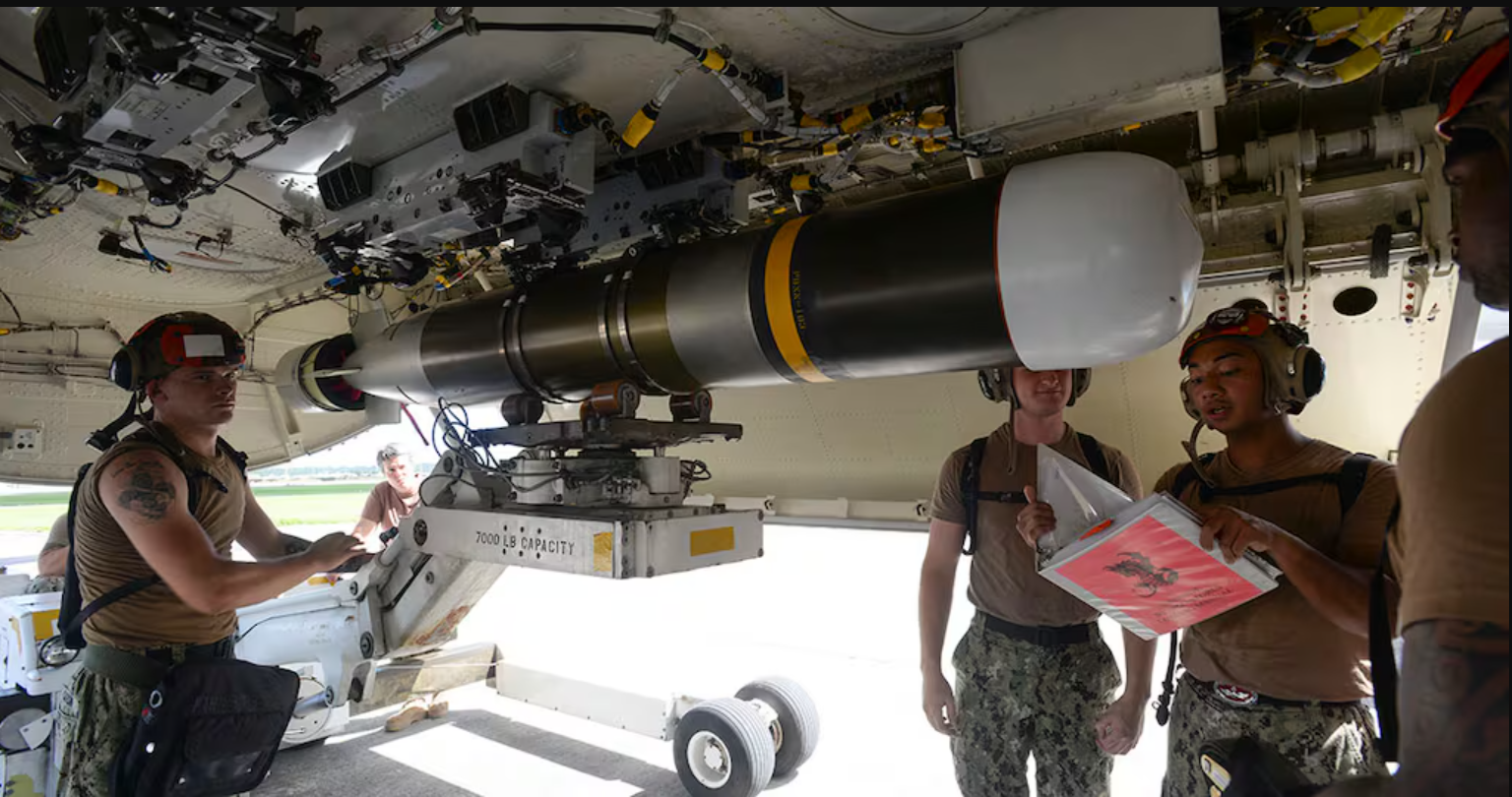
The US Navy wants its next drone-mounted torpedo to be able to glide silently through the air
Defense requirements for small, silent, glide-capable torpedoes on drones push the frontier of compact sensing, guidance, and low-signature propulsion. Dual-use founders in autonomy, materials, or power systems should read these specs as a roadmap for where defense dollars will concentrate over the next funding cycles.