
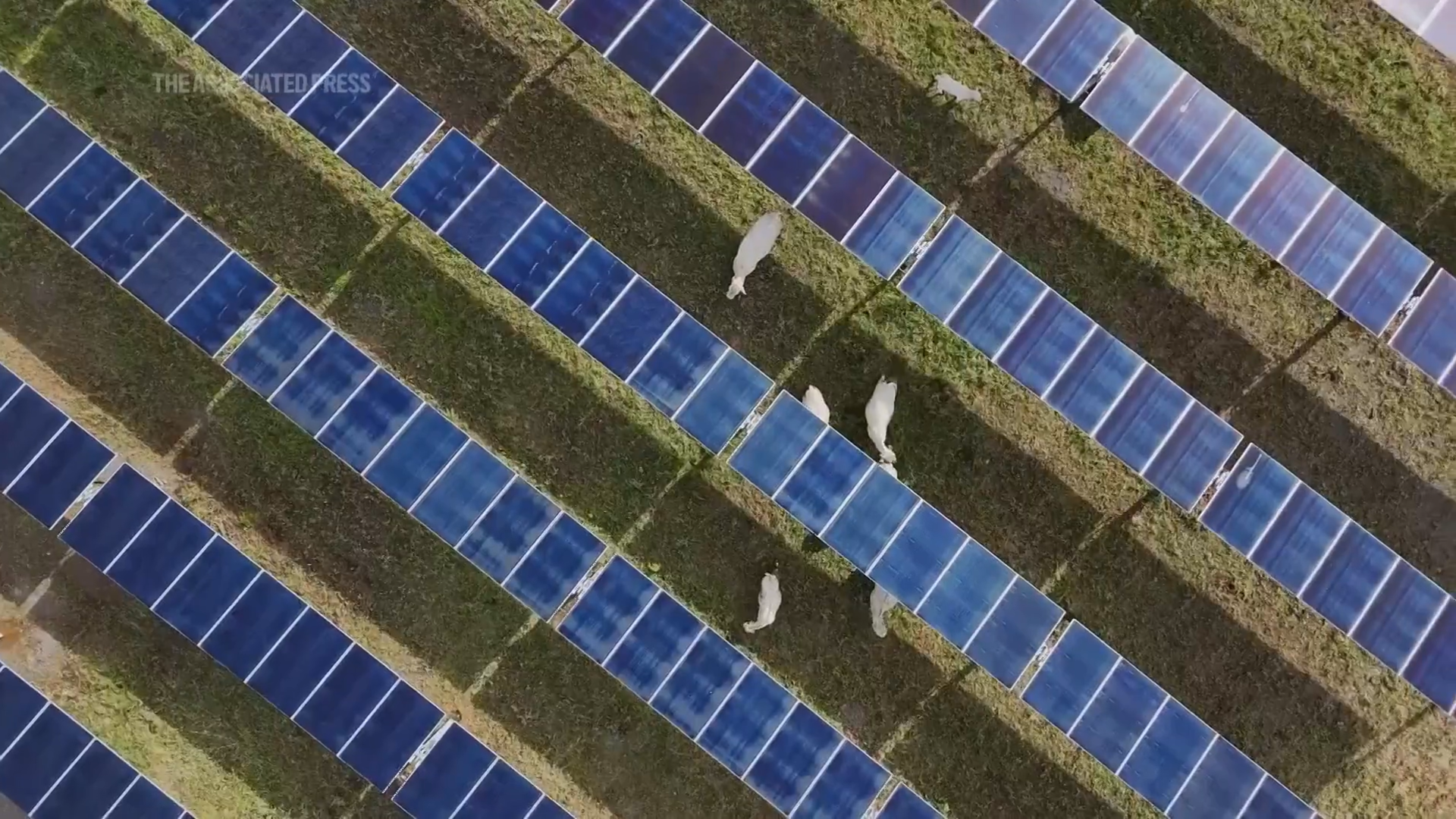
'The end of an era': China enforces mandatory rule to cull inefficient solar panels, signals end of ultra-cheap PV price wars
THE SO WHAT
China forcing out low-efficiency PV capacity is a structural reset—module prices may firm up, but bankability and performance should improve. Energy developers and corporates should update their solar cost curves and procurement assumptions now, since the era of endless ultra-cheap oversupply is likely over.
READ THE SOURCE
MORE FROM THE WIRE
 Deep & Emerging Tech
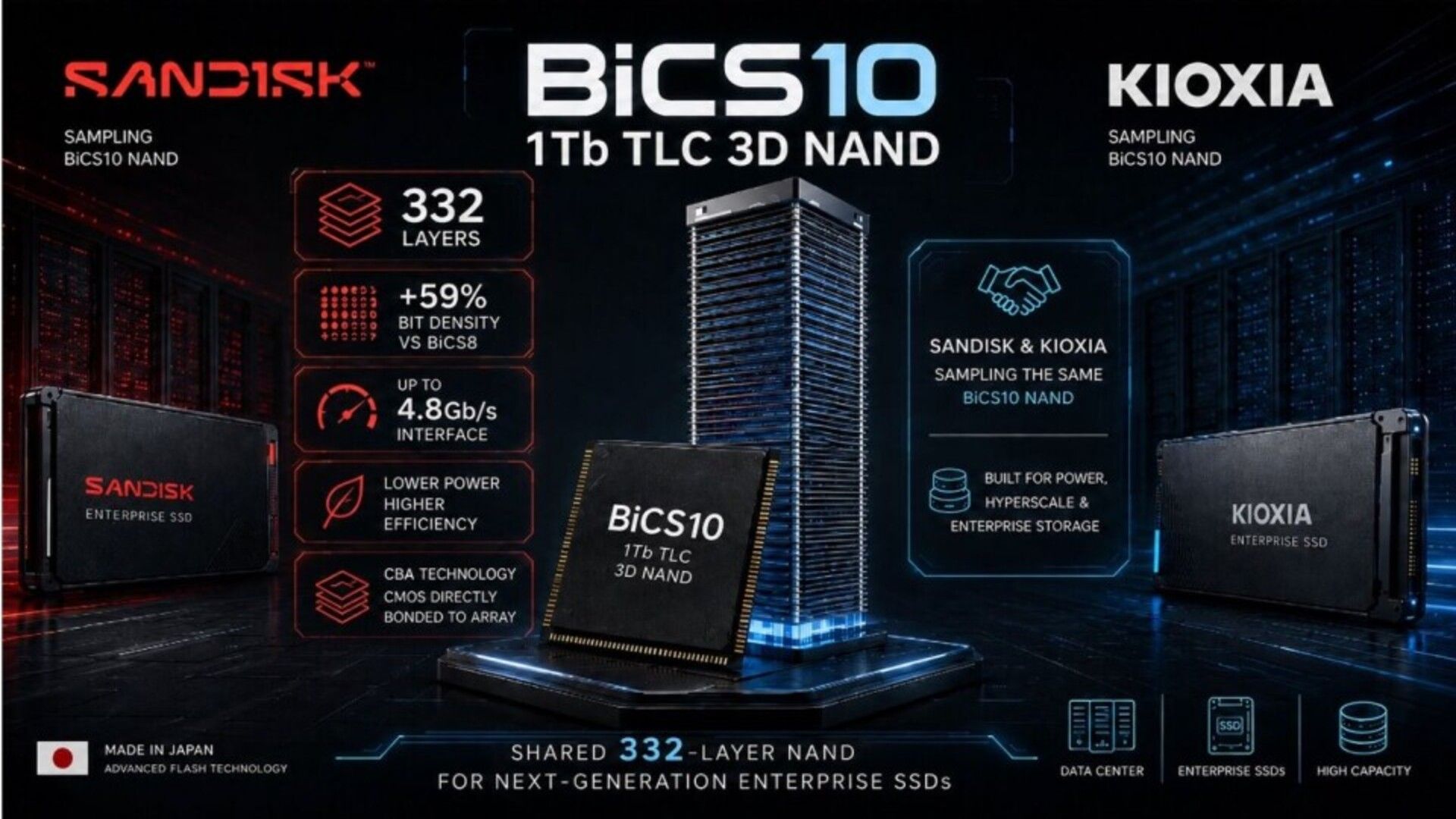
SanDisk has started sampling the tiny chip that will make 512TB SSDs possible in 2027, but don't expect them to cost under $300,000
Storage is quietly becoming an industrial-scale constraint again—512TB SSDs at ~$300,000 are a reminder that extreme capacity will live in a capex budget, not an ops line item. If your roadmap assumes cheap, infinite fast storage for AI or analytics, revisit the economics and tiering strategy now.
 Deep & Emerging Tech
Big Banks Set Up Strong Earnings Week
If trading, IB, and lending come in strong while investors probe 'AI-related financing activity,' banks are quietly becoming one of the main capital allocators to the AI build-out. Infra and model companies should treat large banks as strategic financing partners—project finance, structured deals—not just as customers.
 Deep & Emerging Tech
AI has triggered the biggest gas-plant building boom in history, and a quiet fight to stop it
The AI data center boom is now directly driving the largest gas-plant construction wave ever—energy mix is becoming an AI architecture decision, not a CSR slide. Infra teams should be mapping workloads to regions and power sources this quarter, because permitting and public pushback will start to shape where and how you can scale.
 Deep & Emerging Tech
While Neuralink drills into skulls, China’s BrainCo is betting brain tech will be something you wear
Non-invasive neurotech like BrainCo’s headbands and caps is a bet that brain-computer interfaces will look more like wearables than surgery. For product teams, that opens near-term opportunities in training, focus, and rehab markets where regulatory and adoption friction are lower than implanted BCIs.