
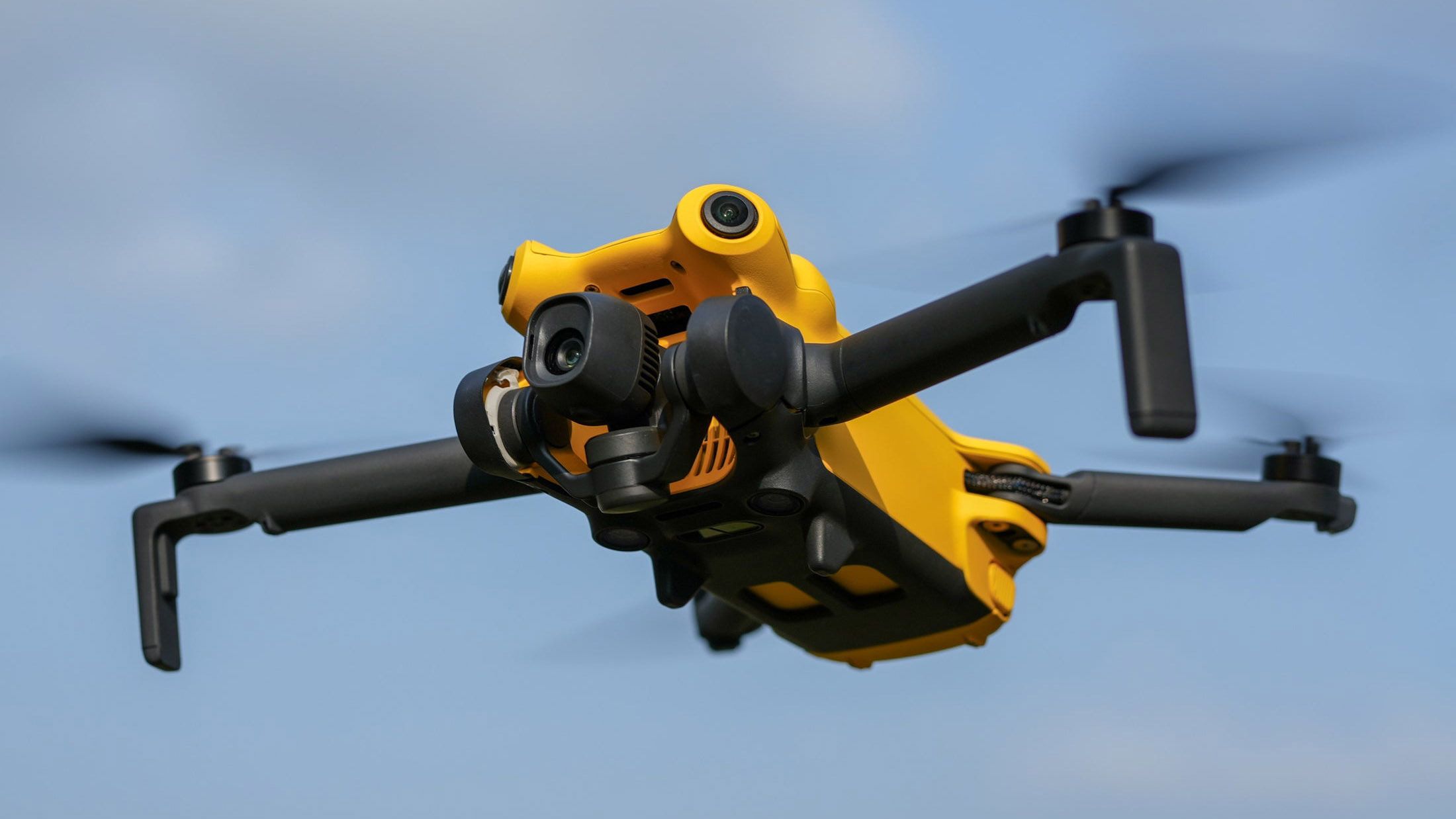
The FBI has seized over 600 drones around World Cup matches across all 11 US host cities — and that's bad news for all drone fans
THE SO WHAT
Over 600 drones seized across 11 World Cup host cities is how one event can reset the regulatory baseline for an entire hobbyist and commercial category. Drone and autonomy operators should plan for tighter geofencing, more no-fly zones, and higher compliance overhead around any major venue or event.
READ THE SOURCE
MORE FROM THE WIRE
 Robotics & Autonomy
Stalled Waymo cars involved in July 4 gridlock, company confirms
A handful of stalled AVs creating hours-long gridlock shows how tightly coupled urban traffic systems are to edge-case failures. Cities and operators need joint playbooks for AV incident management — traffic control, remote ops, and comms — before scaling fleets further.
 Robotics & Autonomy
Drone Maker Ondas Says the 'Arms Race' Has Started
Ondas buying DZYNE for over $875 million to become a full-stack autonomous defense platform shows consolidation toward integrated drone + comms stacks. Defense and critical-infra buyers will increasingly prefer vendors who own both airframes and secure links — point-solution startups should plan partnerships accordingly.
 Robotics & Autonomy
Tesla brings its Robotaxi to Miami, and drops the safety monitor
Pulling the safety driver in a fifth U.S. city—albeit in a constrained West Miami zone—moves robotaxis from pilot theater toward operational precedent. City operators and insurers should assume 'no human minder' AV deployments will be on the table in negotiations sooner than their regulatory frameworks anticipate.
 Robotics & Autonomy
Q&A with Agility Robotics CEO Peggy Johnson on why the startup is going public via SPAC, the physical layer as its proprietary advantage, safety, and more
Humanoid robotics moving into SPAC territory means capital is starting to price the physical layer — hardware, safety, and deployment ops — as the defensible moat, not just the AI stack. If you’re building in this space, assume public-market scrutiny on unit economics and safety cases long before true consumer-scale adoption.