

The hidden cyber risks facing our water supply
THE SO WHAT
Water systems tying legacy OT to modern networks turn cyber risk into direct physical risk — outages, contamination, and service loss. Operators in any critical infrastructure domain should be treating control systems, remote access, and telemetry as first-class security surfaces, not historical exceptions.
READ THE SOURCE
MORE FROM THE WIRE
 Deep & Emerging Tech
Chick-fil-A reveals data breach — customers warned hackers may have accessed their account info
Consumer brands with large loyalty footprints are now de facto fintech and identity targets—thousands of compromised accounts in one state is a reminder that rewards data is high-value PII. If you run an app-based loyalty program, treat it like a payments surface and harden auth, anomaly detection, and notification flows accordingly.
 Deep & Emerging Tech
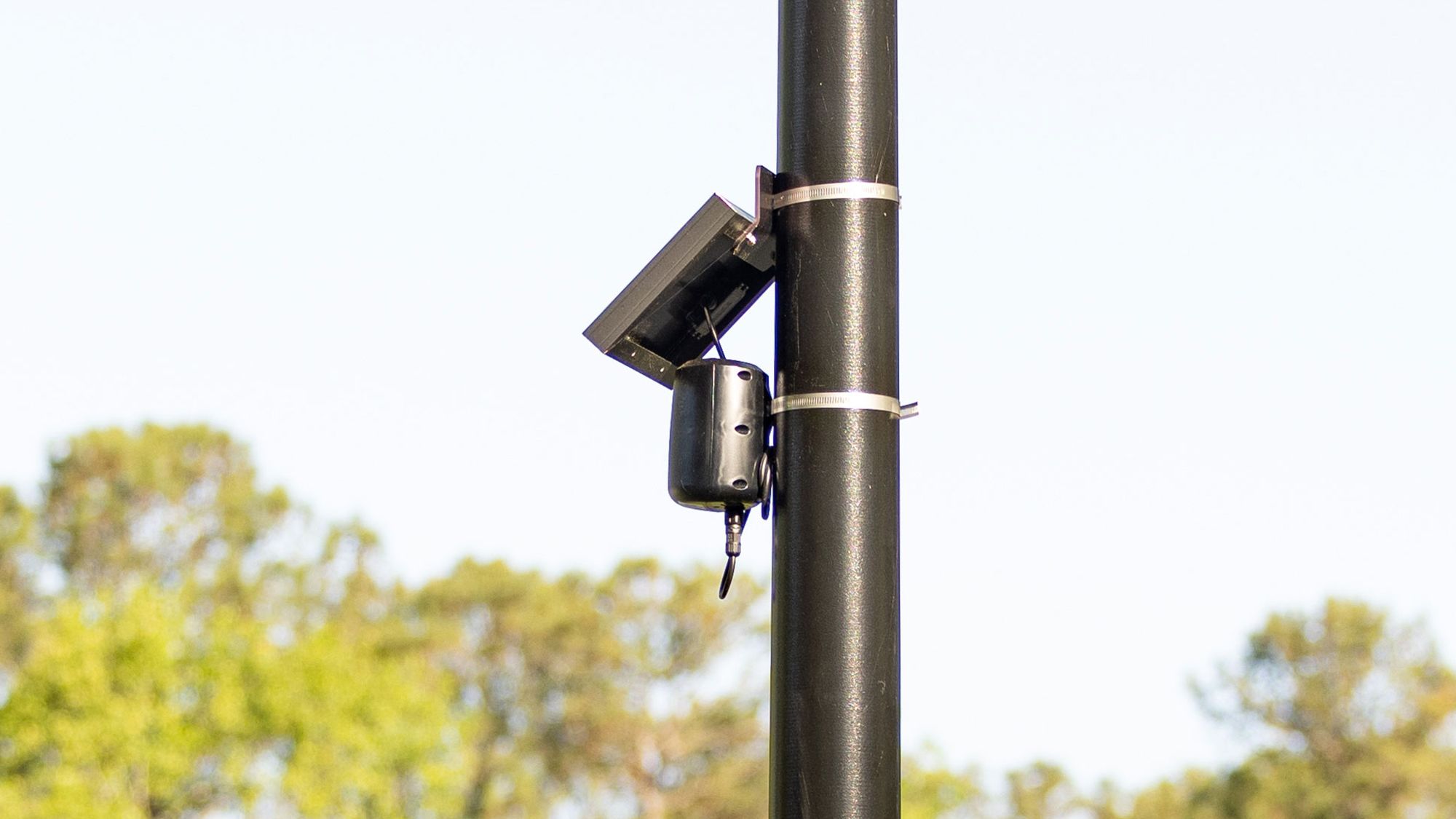
Flock is pulling its plan to use its microphone network to monitor for signs of 'human distress' — but privacy concerns remain
Acoustic “distress detection” on citywide microphone networks crosses a line for many stakeholders—Flock’s retreat shows that technical feasibility doesn’t equal social license. Any operator deploying ambient sensing should assume they’ll need explicit governance, opt-outs, and narrow use cases or risk backlash and regulatory attention.
 Deep & Emerging Tech
Samsung says the Galaxy Z Fold 8, Galaxy Z Fold 8 Ultra, and Galaxy Z Flip 8 use new silicon-carbon batteries, citing their performance, longevity, and safety
Silicon‑carbon batteries moving into mainstream foldables is a quiet but real step-change in mobile energy density and cycle life. If your product is constrained by battery—AR, wearables, edge devices—this is a signal to revisit what’s feasible on-device over the next 1–2 hardware cycles.
 Deep & Emerging Tech
Rental giant Carla leaks user names, emails, and phone numbers ahead of summer holiday break
Another misconfigured database at a consumer rental platform is a reminder that basic cloud hygiene, not exotic exploits, is still the main breach vector. If you handle PII, treat configuration and access reviews as a weekly operational ritual—especially before peak seasonal traffic, when attackers know your team is distracted.