
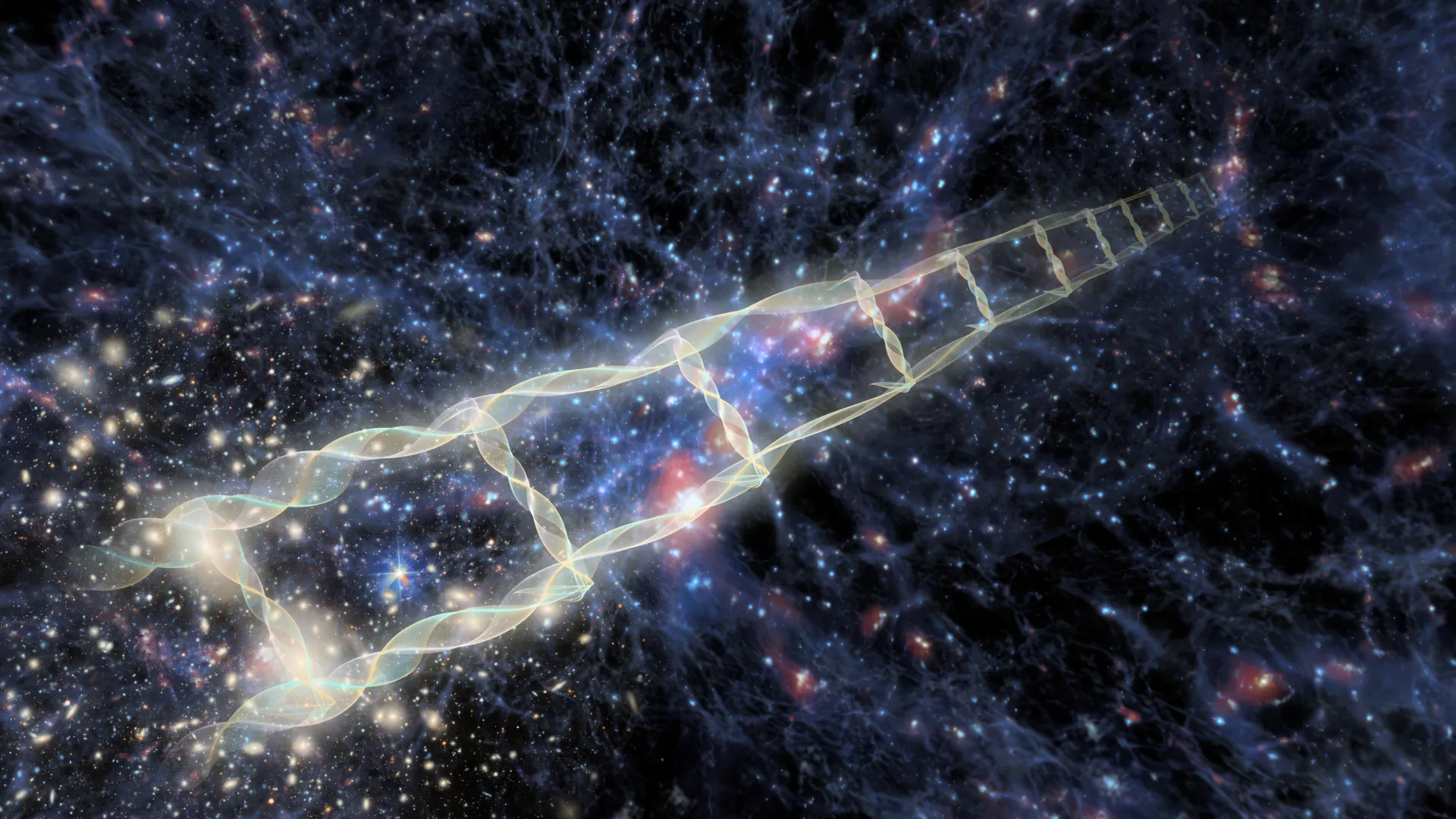
The Universe is expanding too fast and scientists still can’t explain it
THE SO WHAT
An ultra-precise expansion rate that still doesn’t match early-Universe models is a reminder that even “settled” physics can be structurally wrong. If your strategy leans on long-range scientific forecasts — climate, energy, materials — build in options for model failure, not just parameter error.
READ THE SOURCE
MORE FROM THE WIRE
 Deep & Emerging Tech
‘Disbelief and disappointment’: how Javier Milei’s bribery scandal may have derailed Argentina’s crypto investment
Crypto’s promise as a hedge in unstable economies runs straight into political risk — a $5M bribery scandal and collapsing approval ratings are enough to freeze capital that was lining up to enter. If your web3 thesis depends on “country X instability → adoption,” your real counterparty is local governance, not just user demand.
 Deep & Emerging Tech
Terahertz Waves Spy on a Chip’s Internal Activity
Non-invasive terahertz probing turns chip internals into an observable surface—IP protection and side-channel assumptions on advanced nodes just weakened. If this scales, secure hardware design becomes about shielding and emissions control, not just logic and firmware.
 Deep & Emerging Tech
How Beyond Meat sank from a $14 billion plant-based protein powerhouse to a penny stock
Beyond Meat’s slide from $14B to penny stock is a reminder that hype plus distribution deals don’t equal durable demand — repeat purchase behavior is the only real moat in CPG. If you’re selling a “future of X” product, instrument the hell out of retention and willingness to pay, not just trial and shelf space.
 Deep & Emerging Tech
Guest Post: The UK’s Quantum Ambitions Will Fail Without The Components to Make Them Real
The UK’s quantum push running ahead of its component supply chain is the classic national strategy error — funding systems without funding the parts. If you’re in quantum or photonics, the real leverage is in being the domestic component vendor governments now realize they’re missing.