

The US Army is opening up its training centers for private firms to test out new drones
THE SO WHAT
Defense is turning live-fire ranges into de facto testbeds for dual-use autonomy—if you build drones or counter-drone tech, this is a fast lane to validated performance data and procurement conversations. Early-stage teams should treat range access as a core asset, not a nice-to-have demo opportunity.
READ THE SOURCE
MORE FROM THE WIRE
 Robotics & Autonomy
Quote of the day by Elon Musk: '[The Tesla Bot] has the potential to be a generalized substitute for human labor over time' — a bold prediction on the future of work
Execs publicly framing humanoids as a generalized substitute for human labor sets expectations for investors and regulators long before the tech is ready. If your operations have repeatable physical workflows, start mapping where a $15–$25/hour robot would slot in—not to deploy now, but to know your exposure if that price point arrives.
 Robotics & Autonomy
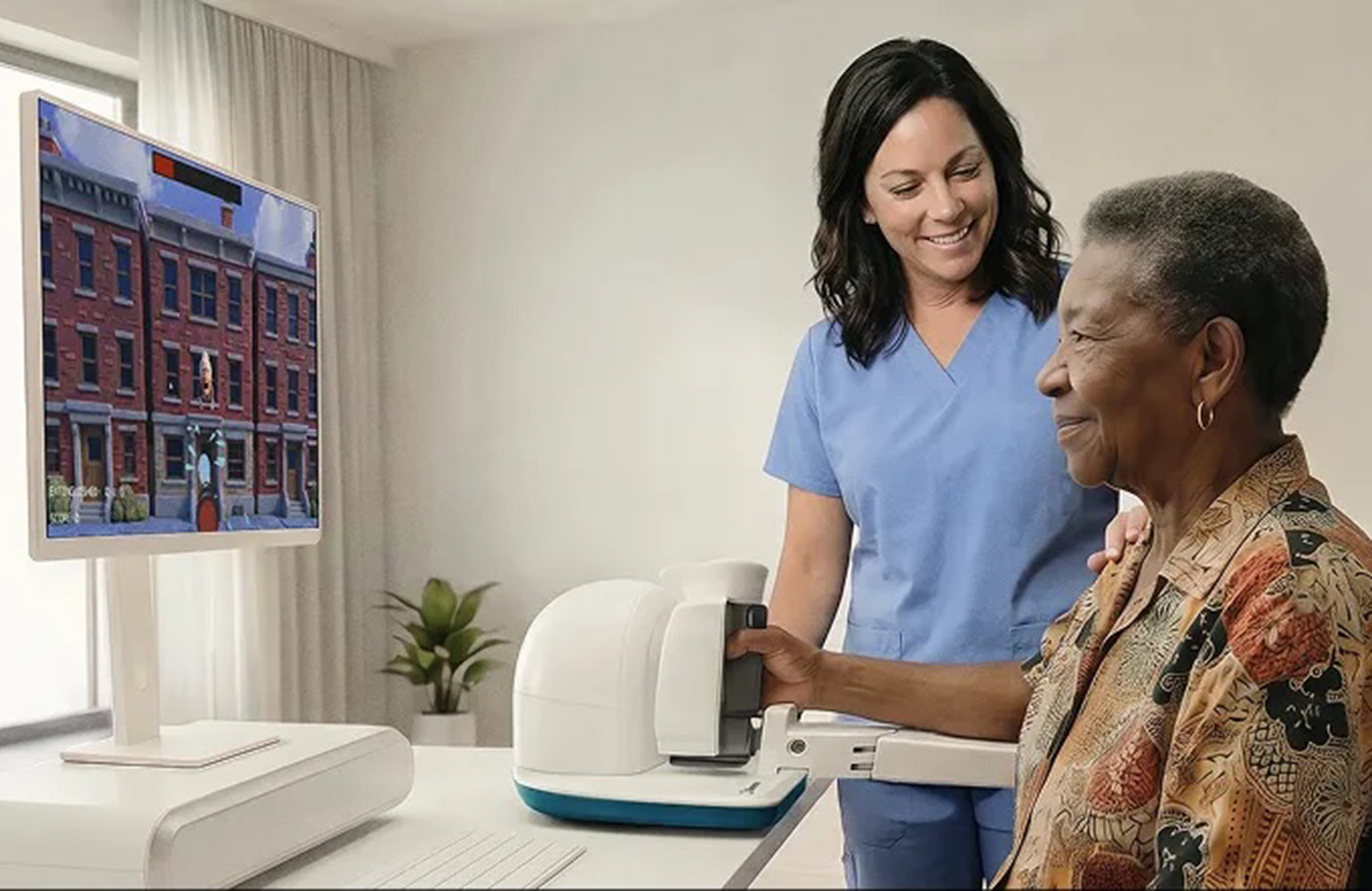
How robotics is revolutionizing stroke rehabilitation
Rehab robots plus AI move stroke care from artisanal to instrumented — every repetition becomes data you can optimize. Hospital operators should treat these systems as long-horizon throughput assets, not gadgets, and start measuring impact on length of stay and therapist utilization.
 Robotics & Autonomy
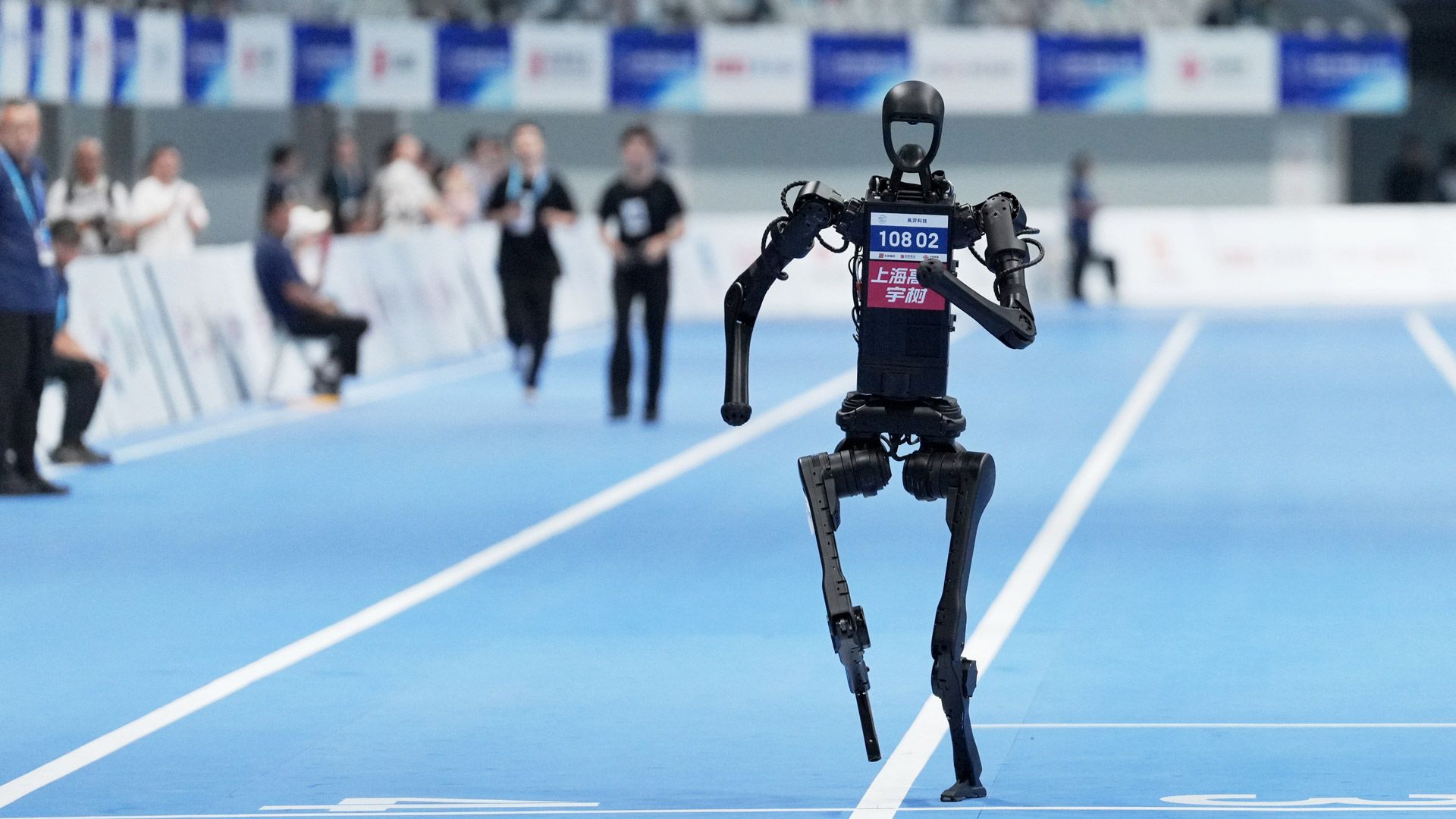
‘Groundbreaking technology often enters the market at a premium before scaling’: Touch-sensitive e-skin could soon be commonplace in robotics
High-fidelity e-skin plus edge processing shrinks the gap between industrial robots and human-like manipulation—once price curves bend, whole classes of “too delicate” tasks become automatable. If you run physical operations, start mapping workflows where tactile sensing is the blocker, because vendor roadmaps are about to make those viable.
 Robotics & Autonomy
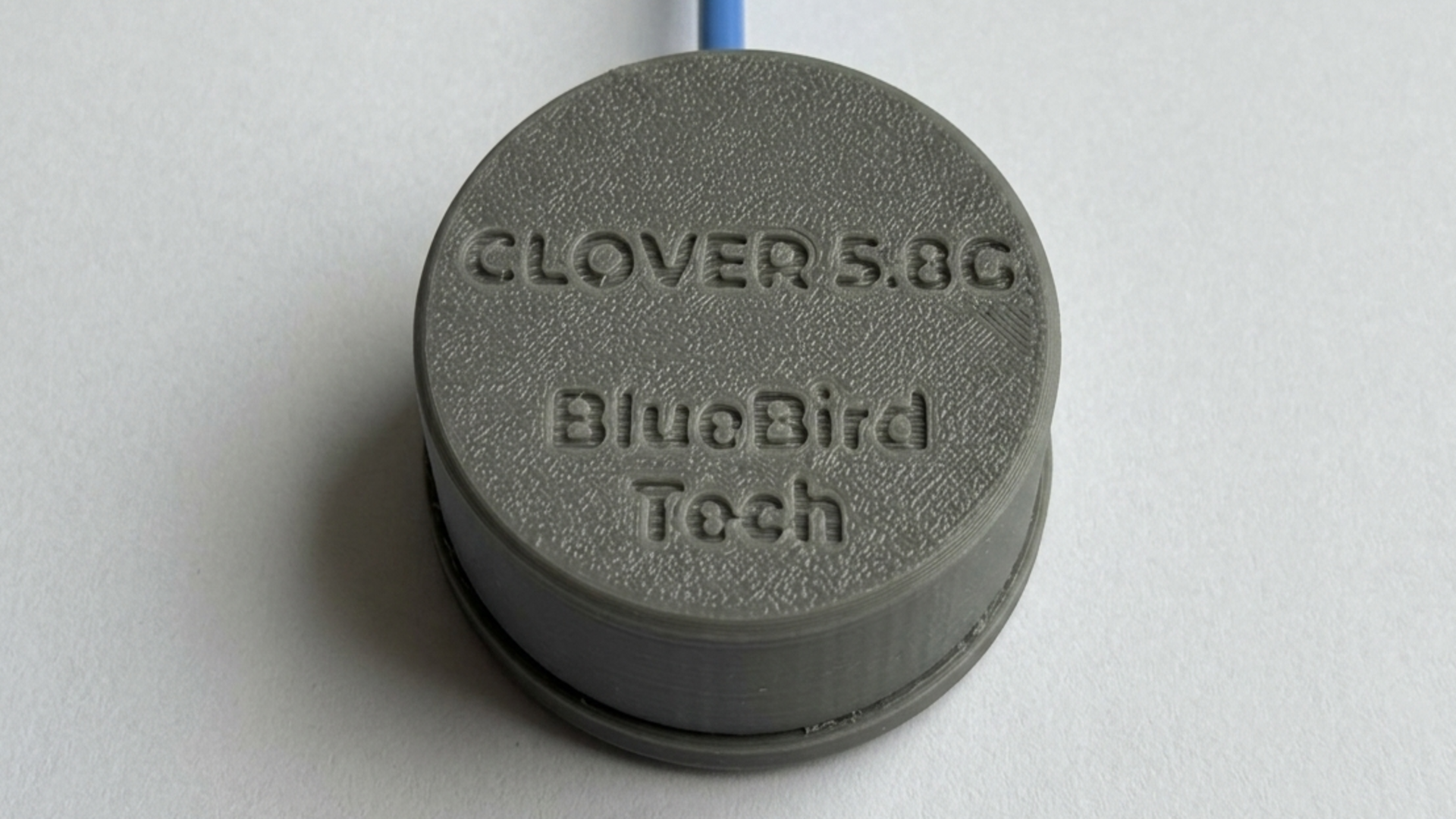
Ukraine's new secret drone weapon could be this 25g antenna, capable of transmitting over an incredible range
Ultra-light, long-range comms hardware like BlueBird Tech’s 25 g antenna shifts more capability to the edge — small drones and ground robots can operate farther from operators and infrastructure without bulky payload tradeoffs. Defense and industrial robotics teams should assume comms range and resilience will improve faster than airframes, and design autonomy and tactics around that curve.