
The Year AI Science and the Physical AI Industry Came Alive
THE SO WHAT
Humanoid IPOs, robotics bans, and mounting negative FCF paint a picture of a physical AI sector that’s technically alive but financially stressed. Operators in this space should assume capital will favor clear unit economics and service revenue over speculative platform narratives.
READ THE SOURCE
MORE FROM THE WIRE
 Robotics & Autonomy
China’s Unitree Seeks $904 Million in First Mainland Robotic IPO
A $904M mainland IPO for Unitree — China’s first listed humanoid maker — turns humanoids from R&D spectacle into a capitalized industrial category. If you run labor-intensive operations in or near China, start mapping where legged or humanoid form factors could realistically replace or augment headcount over the next 3–5 years.
 Robotics & Autonomy
This 10,000Pa Roborock robot vacuum and mop just hit a record low $150 at Amazon
A 10,000Pa robot vacuum at $150 shows how quickly consumer robotics is racing to the bottom on price. If you’re building higher-end home robots, you’ll need to justify a premium with capabilities far beyond cleaning or lean into B2B where ASPs can support real margins.
DoorDash is still ironing out Dot delivery robot kinks, from charging to pickups
DoorDash’s Dot still struggling with basics like loading and charging in Phoenix shows last-mile autonomy is less a perception problem and more a systems-integration grind. Retail and restaurant operators should treat delivery robots as multi-year ops projects with process redesign, not plug-and-play labor swaps.
 Robotics & Autonomy
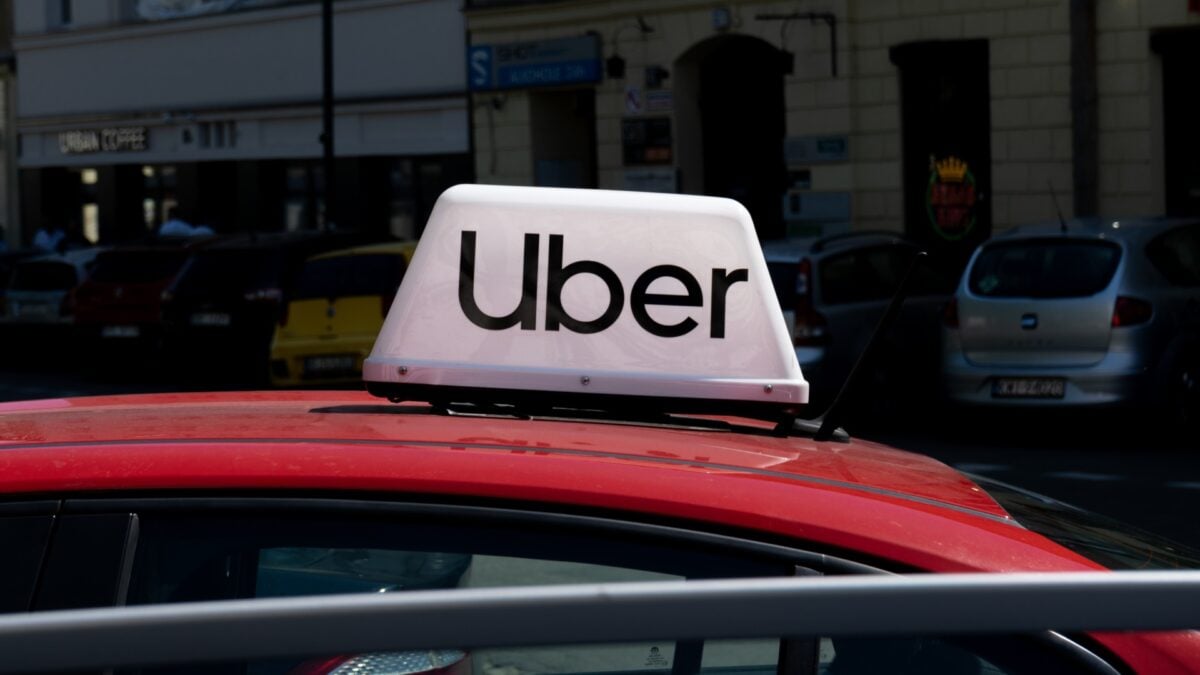
‘They’ve Had Their Fair Share of Issues’: Uber Wants to Avoid Tech Backlash While Building Its Giant Robotaxi Fleet
Uber explicitly calling for a "slower" robotaxi rollout is a signal that social license and regulatory pacing are now core constraints, not afterthoughts. If you’re deploying autonomy in public spaces, budget as much for community, policy, and staged pilots as you do for sensors and software.