
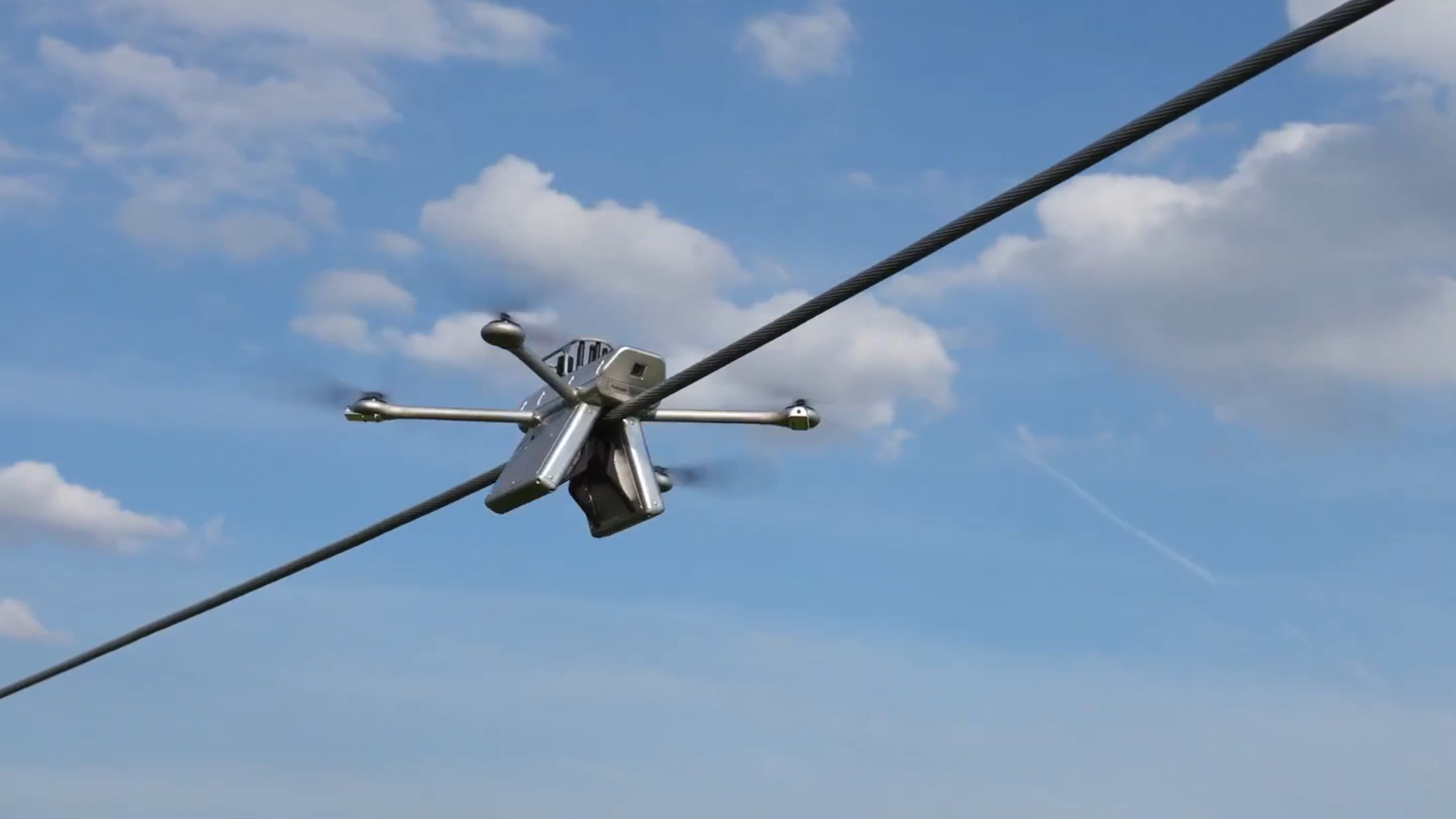
These 4kg drones land on live 420 kV power lines to recharge from the magnetic field — logging 20,000 hours hunting hidden bottlenecks across European and US grids
THE SO WHAT
Self-charging inspection drones turn transmission lines into both workload and refueling infrastructure—20,000 flight hours on live 420 kV lines is a proof point, not a demo. Grid operators should be budgeting for continuous, autonomous inspection as a baseline capability and rethinking how often they can safely defer line upgrades once bottlenecks are visible in near real time.
READ THE SOURCE
MORE FROM THE WIRE
 Robotics & Autonomy
TechCrunch Mobility: A/B testing robots vs. humans
Mobility teams are quietly moving from pilots to controlled A/B tests of robots against human workers — that’s where real unit economics get exposed. If you run logistics or transportation ops, start framing automation projects as experiments with clear baselines, not as one-way capex bets.
 Robotics & Autonomy
It will soon be too late to regulate use of autonomous weapons, warns Red Cross
Once autonomous weapons are widely deployed, norms and treaties become much harder to retrofit. Defense-adjacent operators should assume a tightening regulatory perimeter and start mapping where their tech could be classified as dual-use.
 Robotics & Autonomy
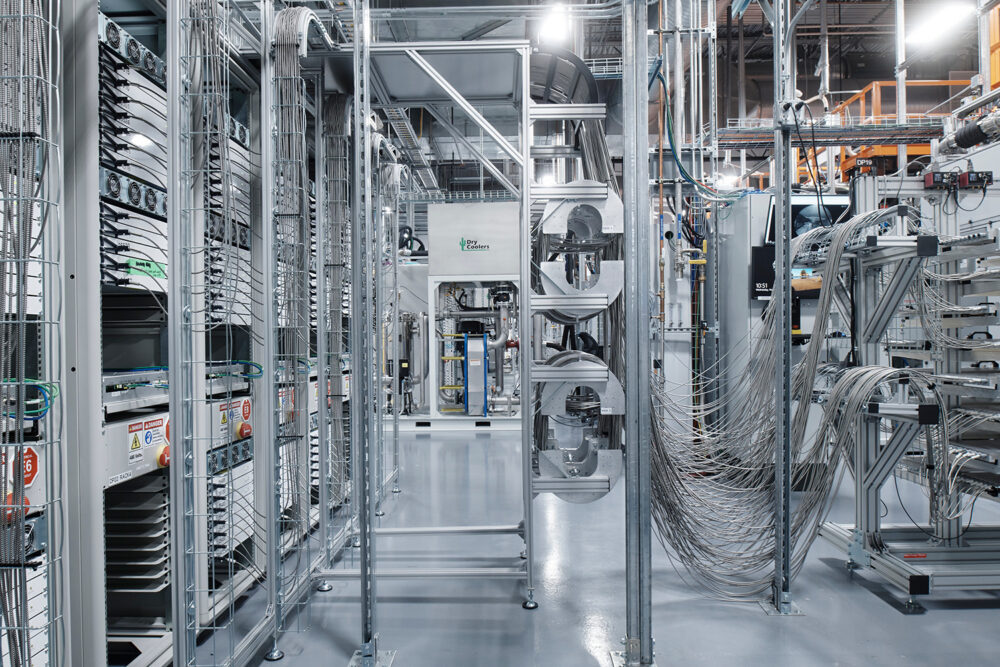
The manufacturing data gap holding back physical AI
Physical AI is now gated more by OT data plumbing than by robot intelligence. If you run factories, the near-term leverage is in cleaning up sensor streams, standardizing interfaces, and closing the loop from line events back into your autonomy stack.
 Robotics & Autonomy
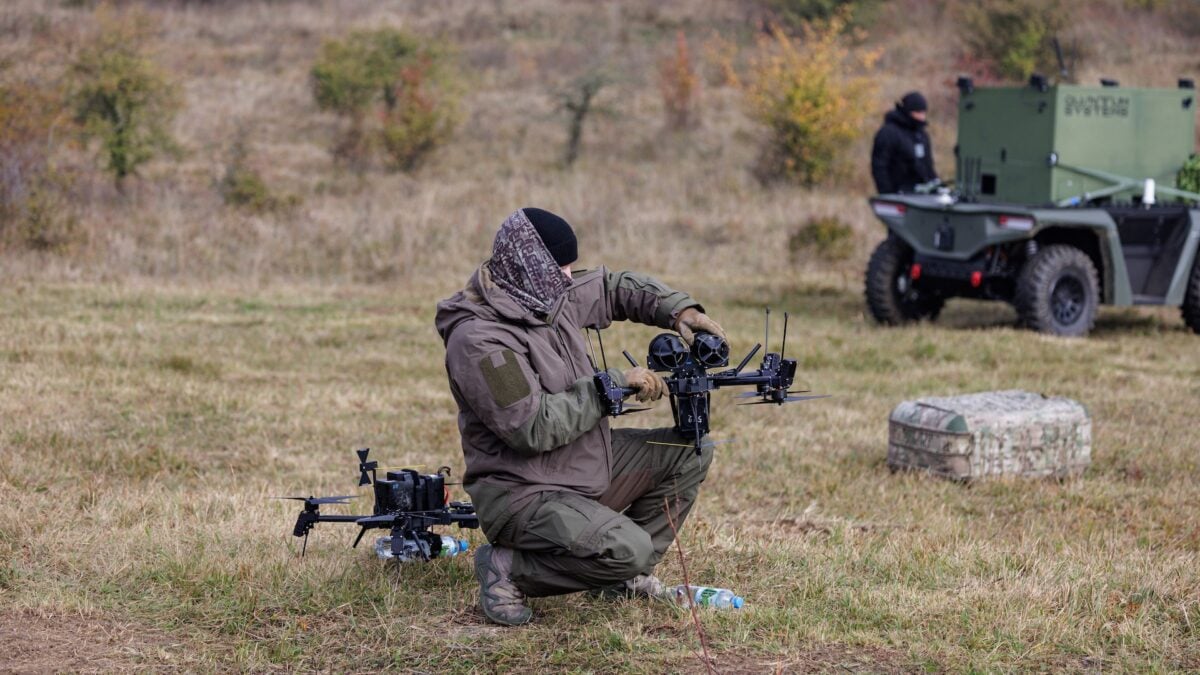
International Talks on Autonomous Killer Robots Achieve Historic Deal to…Think It Over for 2 More Years
Regulation on autonomous weapons is moving on diplomatic time while the tech moves on venture time. Defense and dual-use AI teams should assume a permissive, ambiguous ruleset for at least the next 24 months and build internal guardrails accordingly, not wait for Geneva to draw the line.