
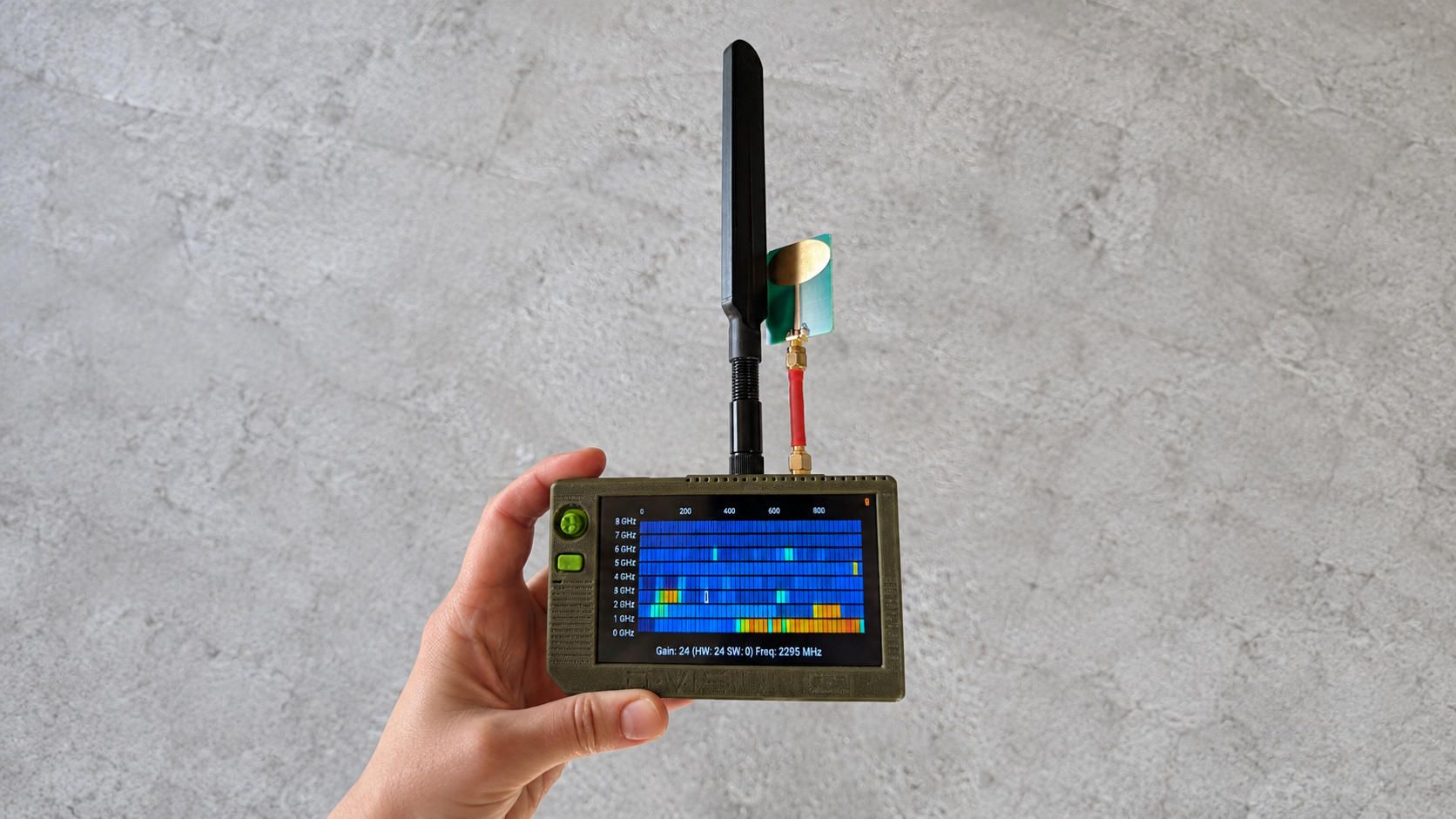
This new Ukrainian detector can 'see' what a Russian drone can — and its new fiber-optic drones can also 'hear' enemy soldiers from 30 meters away
THE SO WHAT
Battlefield tools that mirror and tap into adversary drone feeds — and add acoustic sensing at 30 meters — show how fast ISR is becoming a software- and sensor-fusion problem, not just a hardware race. Early signal for dual-use: commercial security, critical infrastructure, and border monitoring will be pressured to match this level of perception and counter-perception.
READ THE SOURCE
MORE FROM THE WIRE
 Robotics & Autonomy
TechCrunch Mobility: Blue-green is the color of autonomy
Autonomy is bleeding from AVs into every transport surface — ports, warehouses, last-mile, and fleet ops — which means your “mobility strategy” is now a cross-domain autonomy strategy. If you own physical logistics, start mapping where shared autonomy stacks and data can amortize cost across road, yard, and yard-adjacent operations.
 Robotics & Autonomy
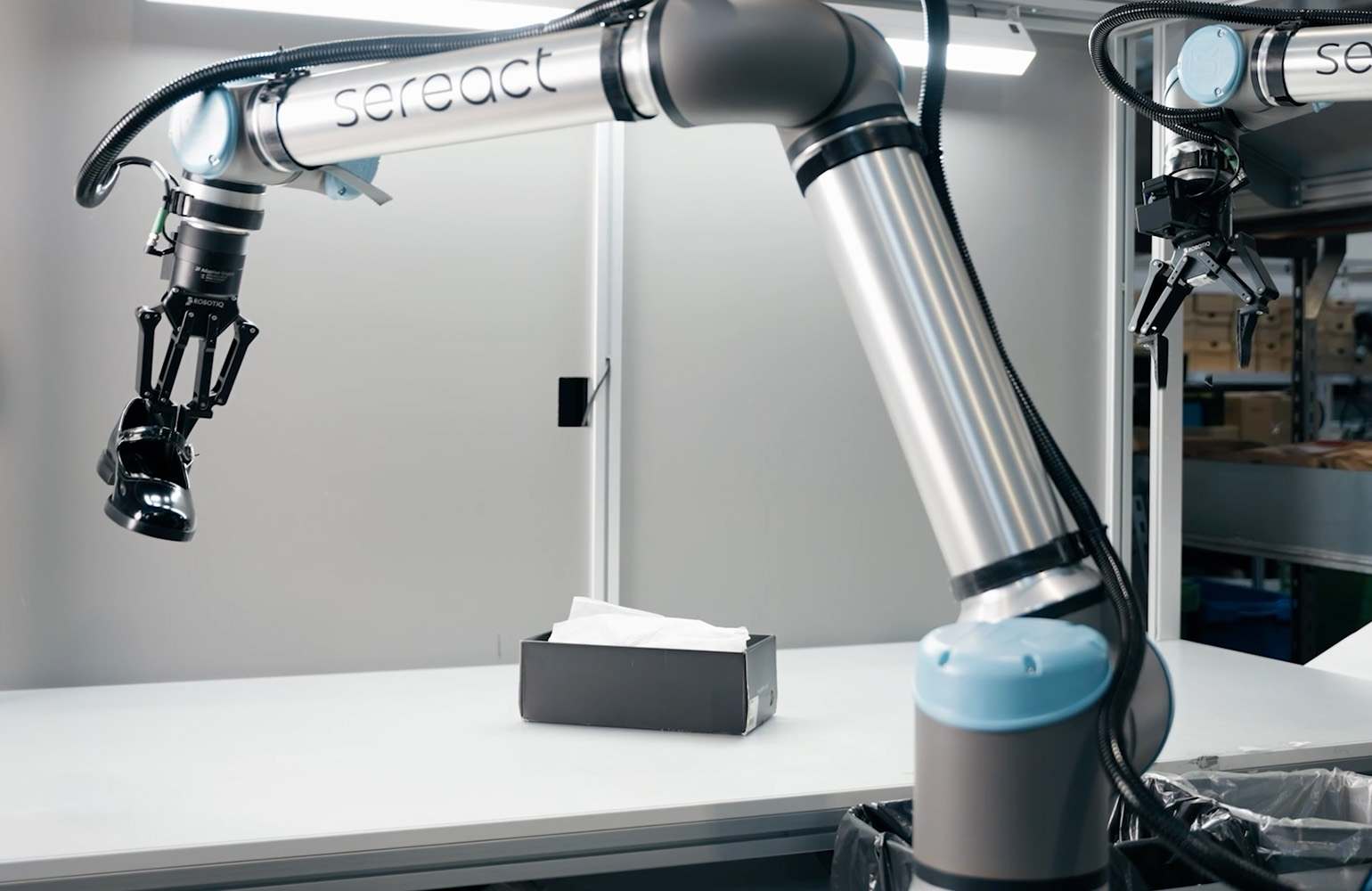
Teradyne Robotics partners with Sereact to scale physical AI in retail and logistics
Hundreds of dual‑arm UR systems already live in Europe means physical AI in retail/logistics is moving from pilot theater to scaled deployment. If you run warehouses or fulfillment, you should be mapping SKUs and workflows that fit off‑the‑shelf picking stacks rather than assuming you need custom robotics R&D.
 Robotics & Autonomy
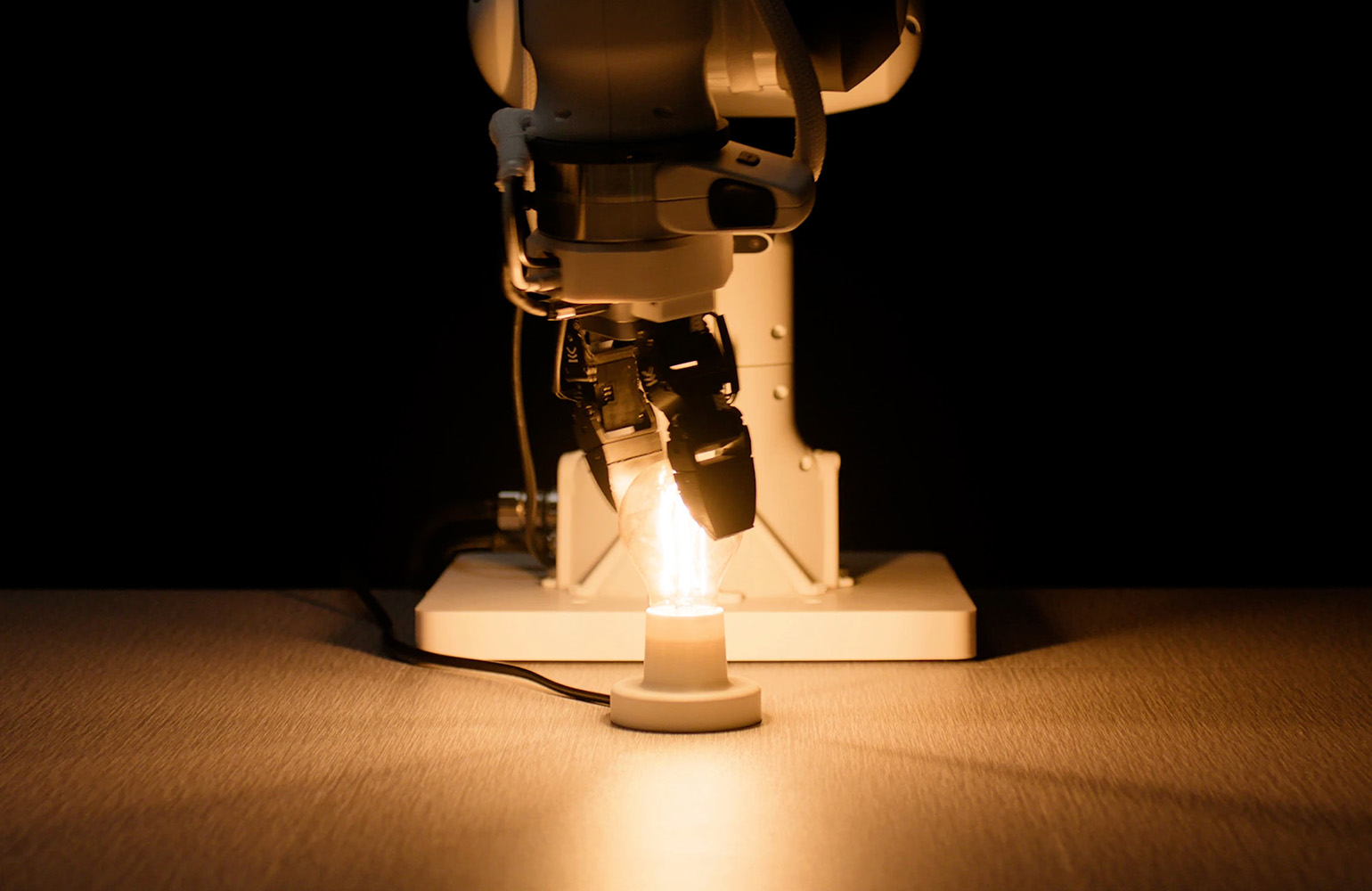
Eka Robotics raises $150M to scale its vision-force-action model for robots
Eka’s $150M bet on a unified vision–force–action model is part of a shift from scripted robotics to learned physical intuition — reinforcement learning at scale as the core asset, not just hardware. Industrial operators should start mapping tasks where contact-rich manipulation matters, because those are the first places these models will compete with human dexterity.
 Robotics & Autonomy
Hottest toy for Christmas? Nvidia CEO plays with adorable Microduck robots, 20,000 sell
Twenty thousand voice-controlled Microduck robots moving as toys is an on-ramp—kids are normalizing embodied compute and parents are normalizing connected robots in the home. If you build consumer robotics or physical AI, this is a reminder that distribution may start as play, not productivity.