

Uber rival inDrive eyes 2027 robotaxi tests in Central Asia with Pony.ai and Nvidia
THE SO WHAT
Robotaxi pilots in Kazakhstan show autonomy players are willing to prove out stacks in less-contested, regulator-flexible markets before pushing into Tier 1 cities. If you’re in mobility, start mapping where regulatory arbitrage could open new testbeds — and where that might undercut or complement your own deployments.
READ THE SOURCE
MORE FROM THE WIRE
 Robotics & Autonomy
Rivian buys world model startup to accelerate self-driving ambitions
Rivian buying a world-model startup is another move toward vertically owning autonomy IP instead of renting generic stacks. If you’re in mobility and still outsourcing core perception and planning, expect rising pressure to internalize at least part of that capability.
 Robotics & Autonomy
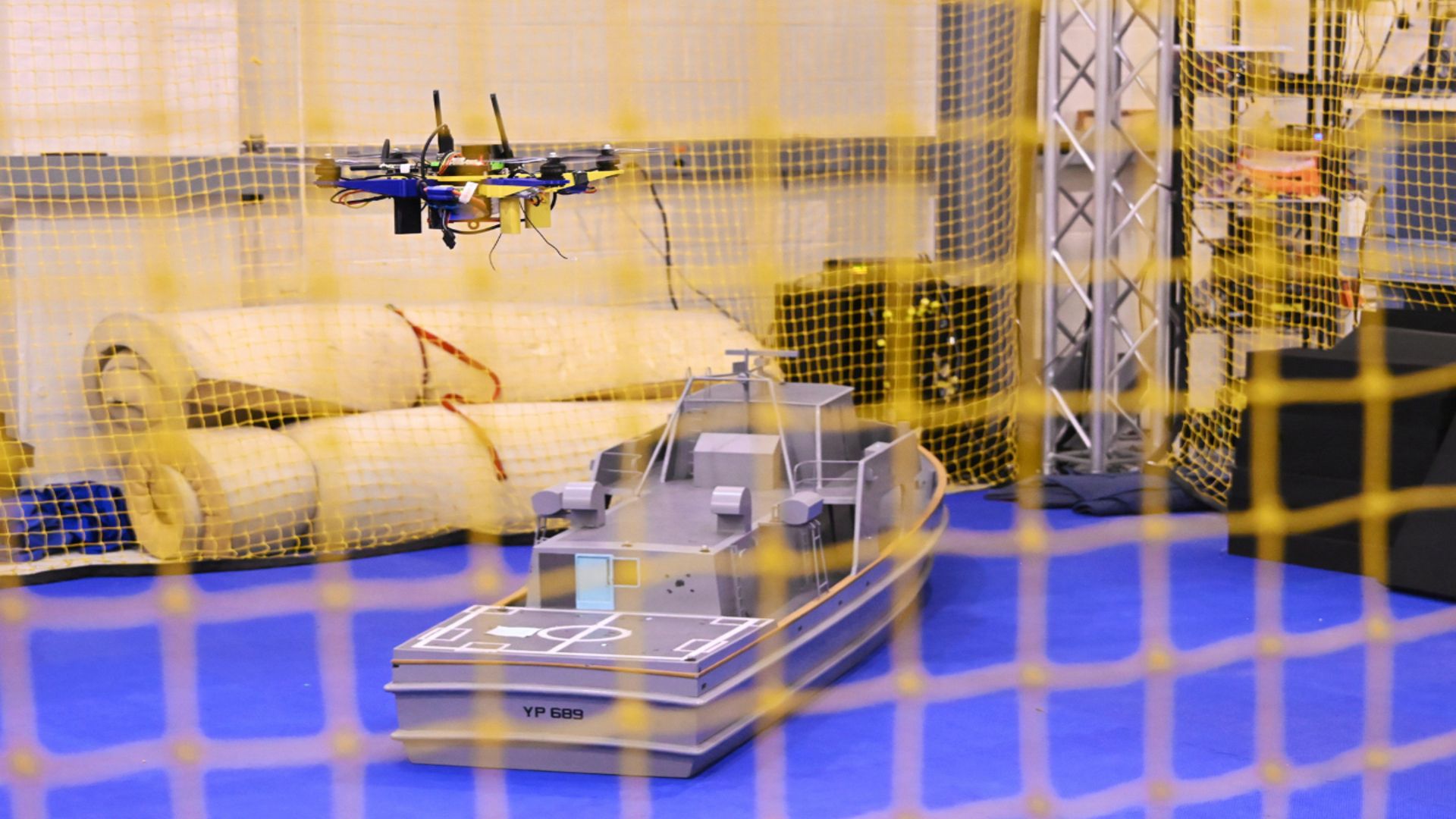
'GPS is the first operational link an adversary severs': US Navy tests software that lets drones land on moving ships using onboard cameras alone
Camera-only landing on moving ships is another proof that critical autonomy can’t rely on GPS or external crutches. For any drone or robot in contested or degraded environments, onboard perception and local decision-making are now baseline requirements, not stretch goals.
 Robotics & Autonomy
Former OpenAI science lead launches Warp Science to automate wet labs with robots
Warp Science training robots via human chemists in sensor gloves is a concrete attempt to turn tacit lab technique into machine-executable procedures. If you run R&D with repetitive wet-lab work, start mapping which protocols could be captured this way—automation here changes both cost structure and iteration speed.
 Robotics & Autonomy
Tesla is prepping a Cybercab onslaught
A Cybercab rollout to more US cities without clear ride volume disclosure suggests a land-grab strategy — presence first, metrics later. City operators and mobility players should plan for regulatory pressure and pricing experiments even before utilization is proven, via TechCrunch Transportation.