

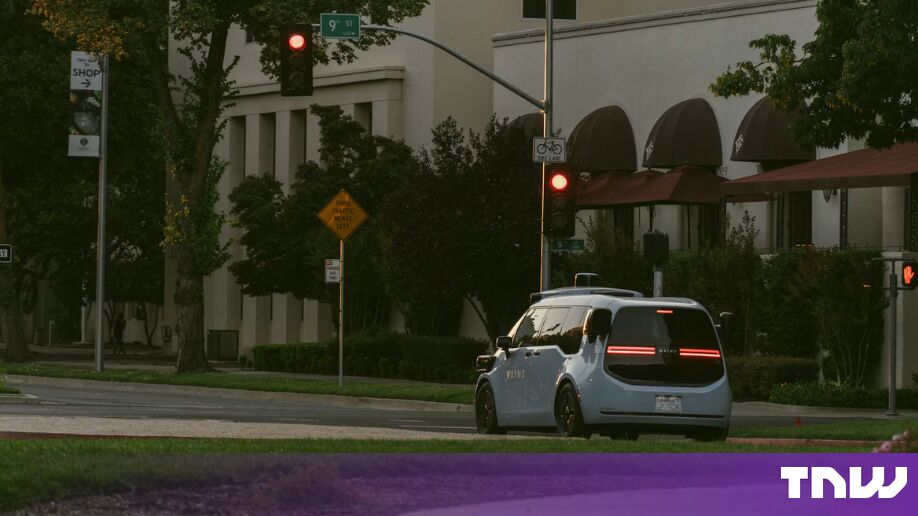
Waymo Reportedly Plans to Put 20,000 Robotaxis on the Road by the End of 2027
THE SO WHAT
A 20,000-vehicle robotaxi target by 2027 turns autonomy from a pilot curiosity into real urban transport capacity. City agencies, insurers, and fleet operators now need concrete integration plans—curb space, charging, maintenance, and incident protocols can’t stay theoretical.
READ THE SOURCE
MORE FROM THE WIRE
 Robotics & Autonomy
Here’s what matters most to Tesla investors heading into earnings
When investors care more about robotaxis and robots than quarterly margins, capital is underwriting a long-duration autonomy and physical AI story. If you’re competing in mobility or industrial robotics, treat Tesla as a capital magnet that can subsidize hardware and AI R&D well beyond what the auto P&L alone would justify.
Robotics & AutonomyAutonomous flight startup Reliable Robotics opens Seattle area radar hub as valuation tops $1 billion
Reliable Robotics crossing $1 billion valuation with a new radar engineering hub in Bothell shows capital is now backing autonomy stacks that own critical sensing, not just software. If you operate in aviation or logistics, start mapping where certified autonomous flight could compress your route economics or regulatory assumptions.
Elon Musk says 'AI and robots' are the only way to solve America's debt burden
Framing AI and robots as the answer to sovereign debt is less an economic model than a signal of how much growth is being pre-booked into automation narratives. Operators should separate the macro hype from micro reality — focus on where automation actually expands output in your P&L over the next 3–5 years, not 30.
 Robotics & Autonomy
Waymo plans to grow its robotaxi fleet fivefold to 20,000 by 2027
Scaling from ~4,000 to 20,000 robotaxis by 2027, backed by a $5 billion loan and Chinese Zeekr-based Ojai vans, is a bet that regulatory and unit economics are finally stabilizing. If you operate in mobility or urban real estate, start modeling what a 5x increase in AV density does to curb space, parking demand, and fleet partnerships in your cities.