

Cleveland Clinic And IBM Researchers Create Quantum Machine Learning Framework to Predict Neoantigen Immune Response
THE SO WHAT
A quantum ML framework for predicting neoantigen immune response is an early proof that quantum may matter first in narrow, high-value biomedical problems. Biotech and pharma teams should start mapping where classical compute is the bottleneck and track quantum fit there—not across the whole pipeline.
READ THE SOURCE
MORE FROM THE WIRE
 Deep & Emerging Tech
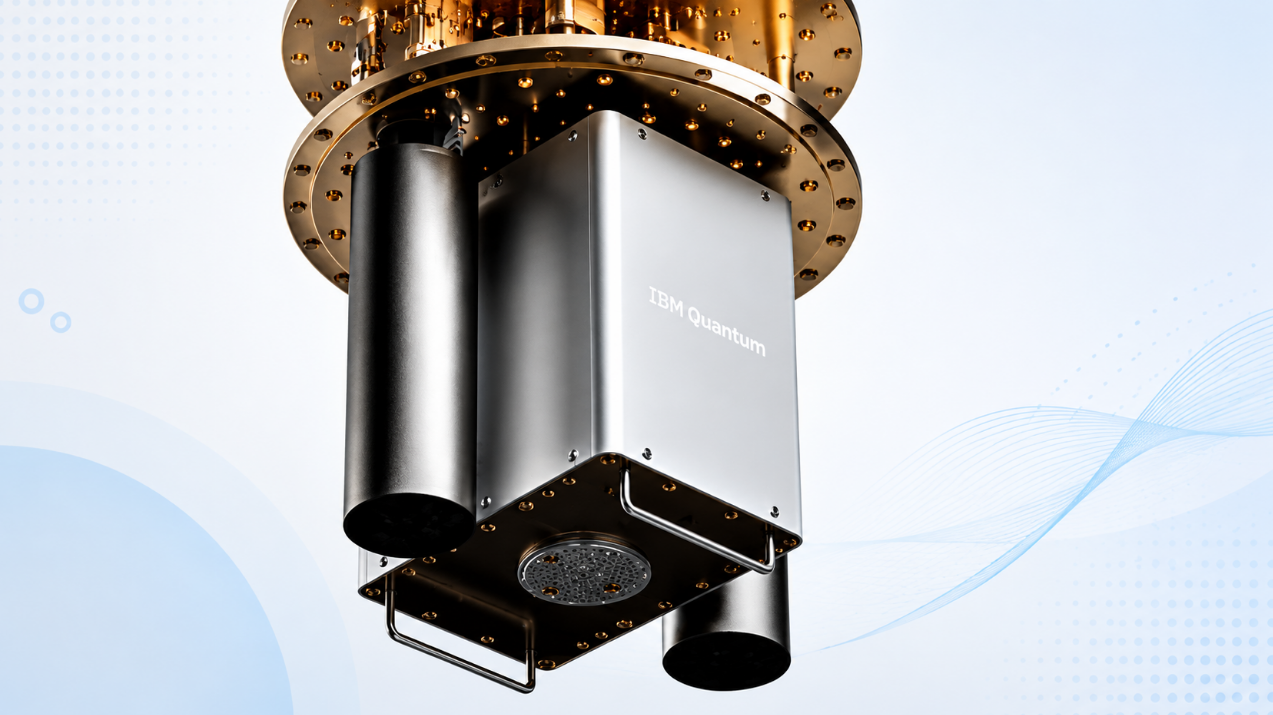
IBM and Qedma Demonstrate Error-Mitigated Quantum Simulation Beyond Classical Benchmarks
Error-mitigated quantum simulations edging past classical benchmarks move quantum from theory toward specialized tooling for materials and chemistry. R&D-heavy orgs don’t need to replatform yet, but it’s time to identify which simulation workloads might be first to benefit from quantum access in the next 3–5 years.
 Deep & Emerging Tech
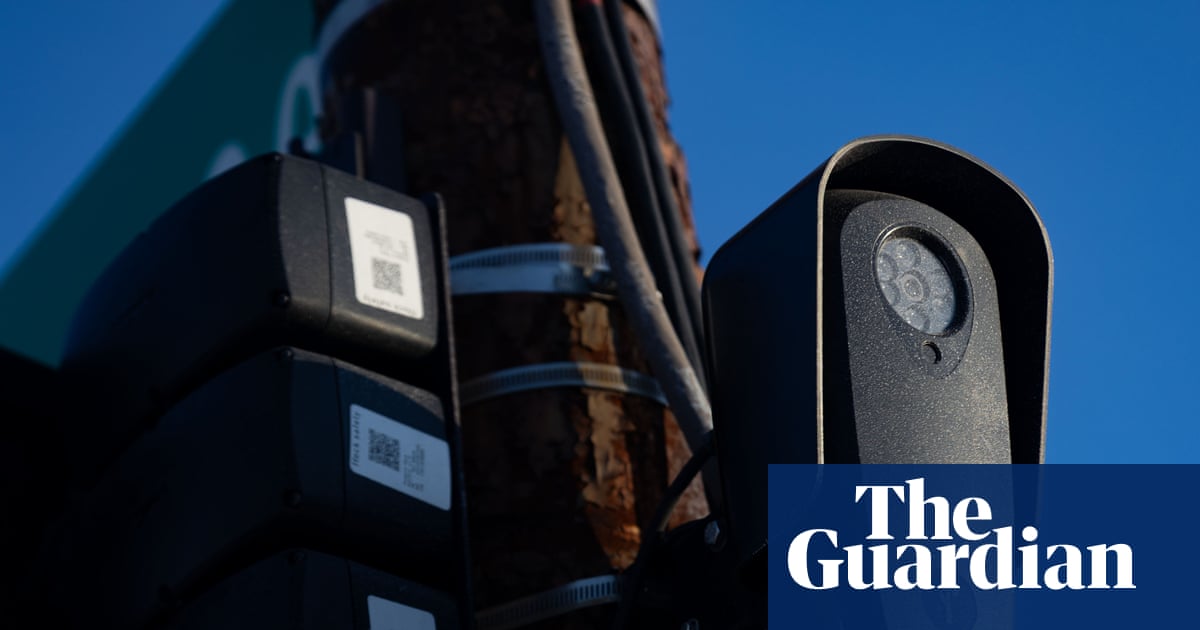
Flock surveillance cameras can pose a crash risk for drivers, US experts say
AI-powered roadside surveillance is colliding with basic road safety—if cameras distract drivers or violate standards, expect regulatory and legal pushback. For cities and vendors, the procurement question shifts from “does it improve policing?” to “can we defend this on safety and civil-liberties grounds at the same time.”
 Deep & Emerging Tech
Vexlum Opens UK Laboratory and Appoints Dr. Stefan Truppe to Lead Local Operations
High-power VECSEL expansion into the UK is another brick in Europe’s quantum and photonics supply chain. If you rely on advanced lasers for quantum or sensing, this kind of regional capacity reduces single-country risk and may open up new collaboration or procurement options.
 Deep & Emerging Tech
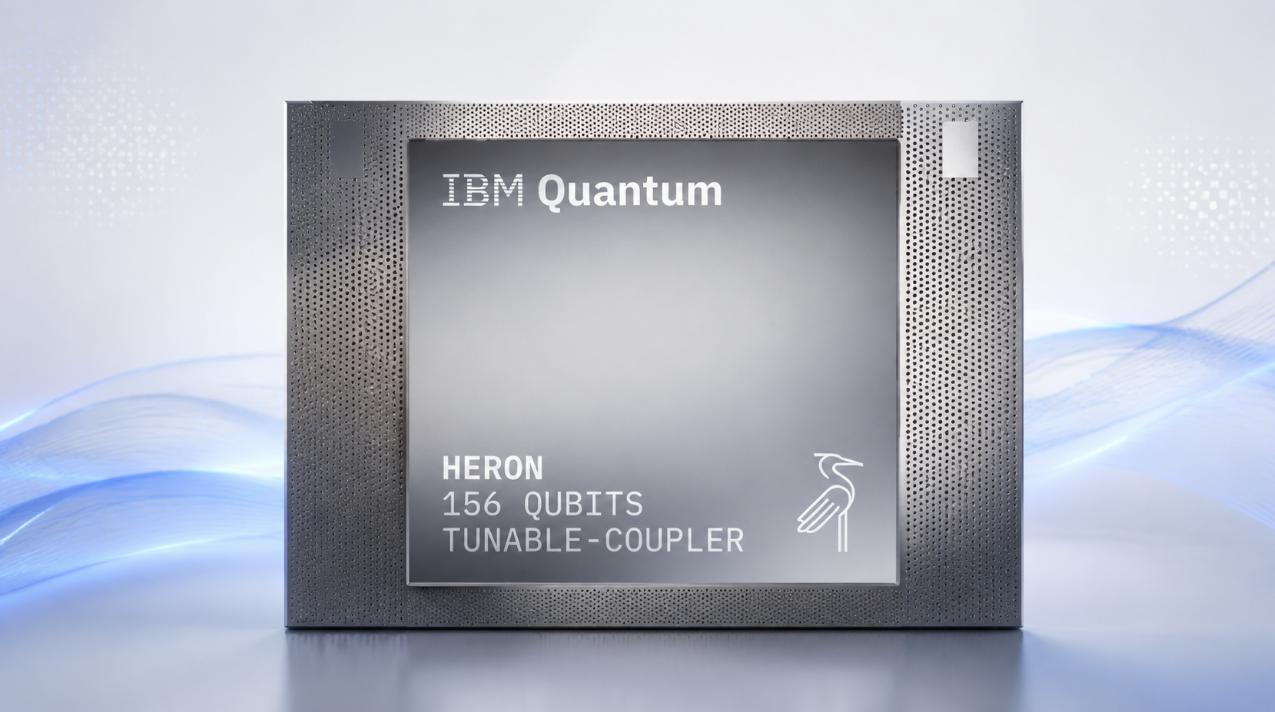
IBM and Algorithmiq Develop Framework for Verifying Quantum Computations Beyond Classical Simulation
A verification framework for quantum computations beyond classical simulation tackles the core trust problem—how do you know a quantum result is real when you can’t re-run it classically. For early adopters, this is the kind of tooling that will eventually make regulators and internal risk teams comfortable signing off on quantum-assisted workflows.