
MicroLLM Lab – Try 7 tiny LLM's in the browser
THE SO WHAT
Seven tiny LLMs running directly in the browser are a reminder that “good enough” models can live entirely client-side for many tasks. If you’re defaulting to cloud LLMs for lightweight features, you may be overpaying—start testing what can move to local models for latency, privacy, and cost wins.
READ THE SOURCE
MORE FROM THE WIRE
Disney wants staffers to use AI for their annual reviews and goal setting
When a company like Disney nudges employees to use chatbots for self-reviews, AI becomes part of the HR record — and potentially a new bias and privacy surface. If you roll this out, set clear policies on data retention, prompt templates, and how much weight managers give AI-shaped language in performance decisions.
 Applied AI
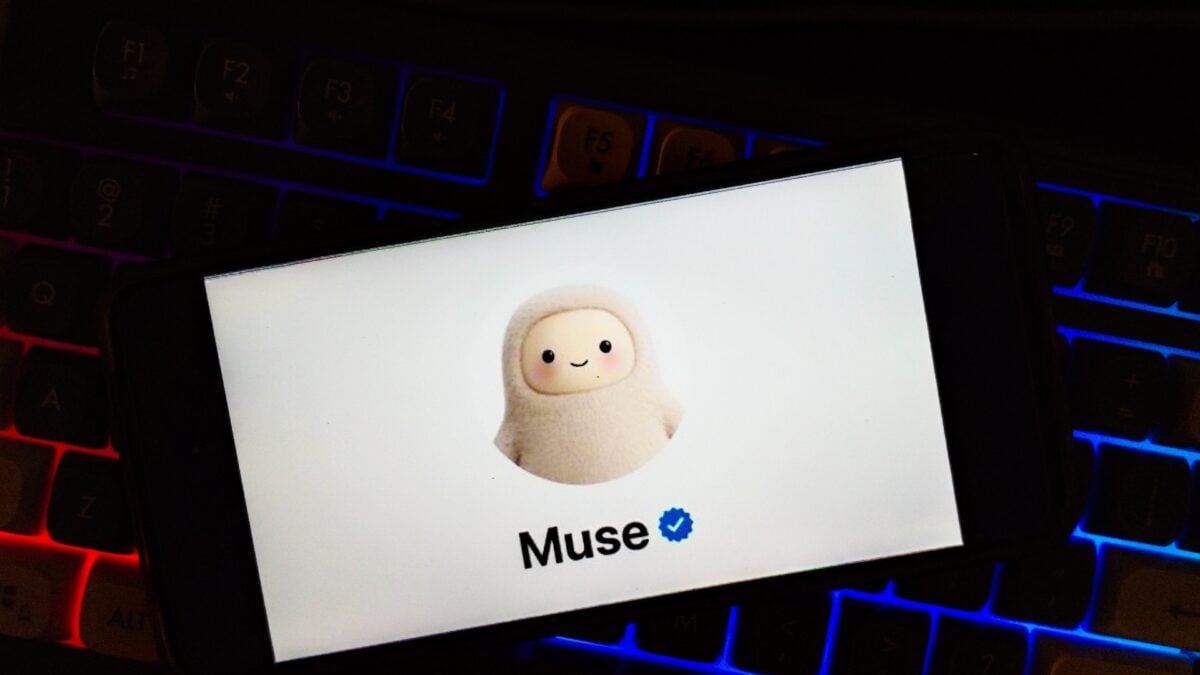
Meta Goes All-In On AI for Businesses Before Muse Goes Horribly Wrong
Meta leaning hard into business AI around the Muse launch underscores the new playbook: assistants as commerce and ad rails, not just productivity tools. If you’re a brand or merchant, assume your ad strategy will increasingly be mediated by AI agents that optimize for platform economics as much as user intent.
 Applied AI
Hinton, Bengio and AI lab scientists warn of an intelligence explosion
When Hinton, Bengio, and senior lab scientists warn that AI systems automating AI research could trigger an “intelligence explosion,” frontier risk moves from fringe debate into the research mainstream. Boards and exec teams should at least log this as a scenario in risk registers and ask vendors how they’re constraining self-improvement loops.
Muse is supposed to make money when you use it to shop. What happens if you just don't shop that much?
An agent like Muse only becomes a real business if users actually transact through it—low-intent categories and infrequent purchases cap upside. If you’re building agents, bias toward workflows where the user already spends money or time every week, not speculative “AI concierge” use cases.