

Shadow AI is actually the symptom: here's how to treat the cause
THE SO WHAT
Shadow AI is what happens when policy, tooling, and training lag behind user demand—people will reach for whatever gets the job done. This week, identify the top 2–3 unsanctioned AI tools showing up in your org and either replace them with supported equivalents or formally bless and govern them.
READ THE SOURCE
MORE FROM THE WIRE
 Applied AI
GM redesigned its engineering workflows around AI agents — and tripled its merged pull requests
Tripling merged PRs by offloading 85% of non-coding work to agents is a process change, not a model story — GM is quietly treating agentic AI as core SDLC plumbing. If you’re still just sprinkling copilots on top of old workflows, you’re leaving throughput and cycle-time gains on the table.
Applied AIRunway couldn't fix a bug in its AI video model, so it turned the bug into a feature
Runway’s choice to productize a model limitation through UX instead of forcing a backend fix is the emerging pattern for AI products — ship around quirks rather than wait for theoretical perfection. Teams building on frontier models should budget more for creative interface work and less for chasing edge-case model performance.
 Applied AI
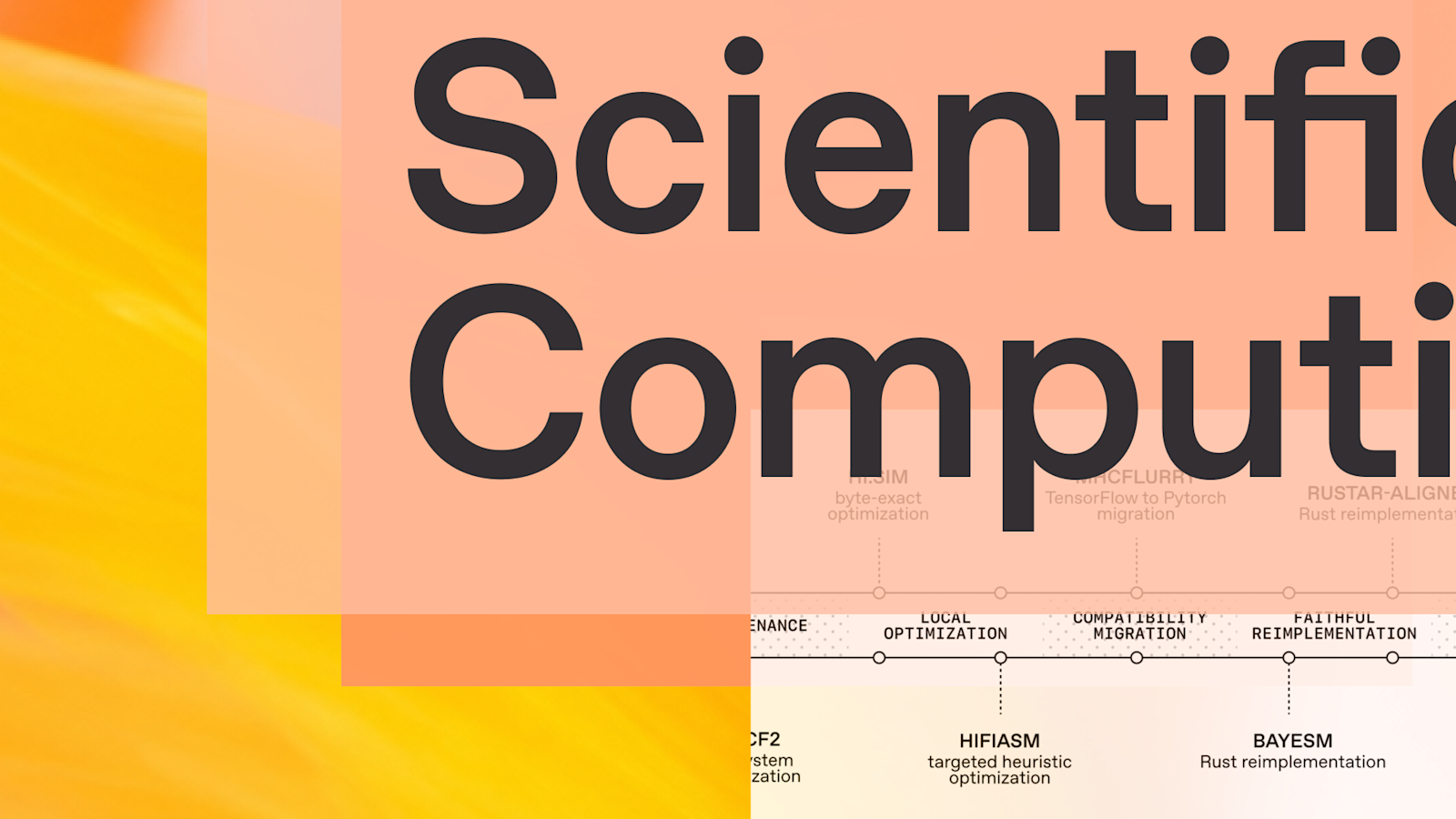
Scientific computing in the age of agentic AI
Scientists using coding agents to modernize legacy stacks in genomics and beyond shows agentic AI is becoming a force multiplier for domain experts, not just software teams. If you run a research-heavy org, the bottleneck is shifting from “we don’t have enough engineers” to “we haven’t exposed our models and data to agents safely.”
 Applied AI
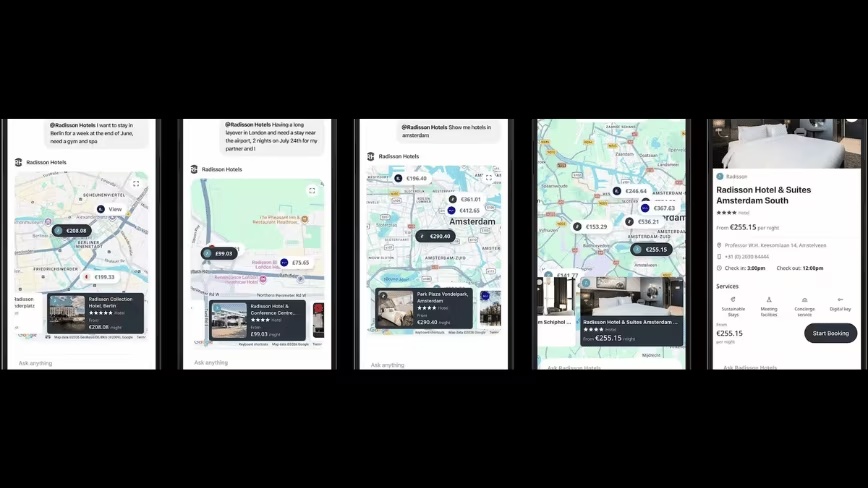
Two hotel groups moved into ChatGPT this week. Neither will let you pay there
Radisson and Motel 6 launching ChatGPT apps without payments keeps AI assistants in the “concierge, not checkout” box — discovery and FAQ, not full-funnel commerce. If you’re experimenting with assistant channels, design for lead capture and intent data now, but don’t overbuild until payments and liability models stabilize.