

Walden Robotics Partners With Toyota on Practical Humanoids
THE SO WHAT
A Toyota partnership around “practical” humanoids is a move from demo videos to integration with real manufacturing and logistics workflows. If you run large facilities, this is a cue to start a structured audit of tasks that could be handed to general-purpose robots over the next 3–5 years, not just fixed automation.
READ THE SOURCE
MORE FROM THE WIRE
 Robotics & Autonomy
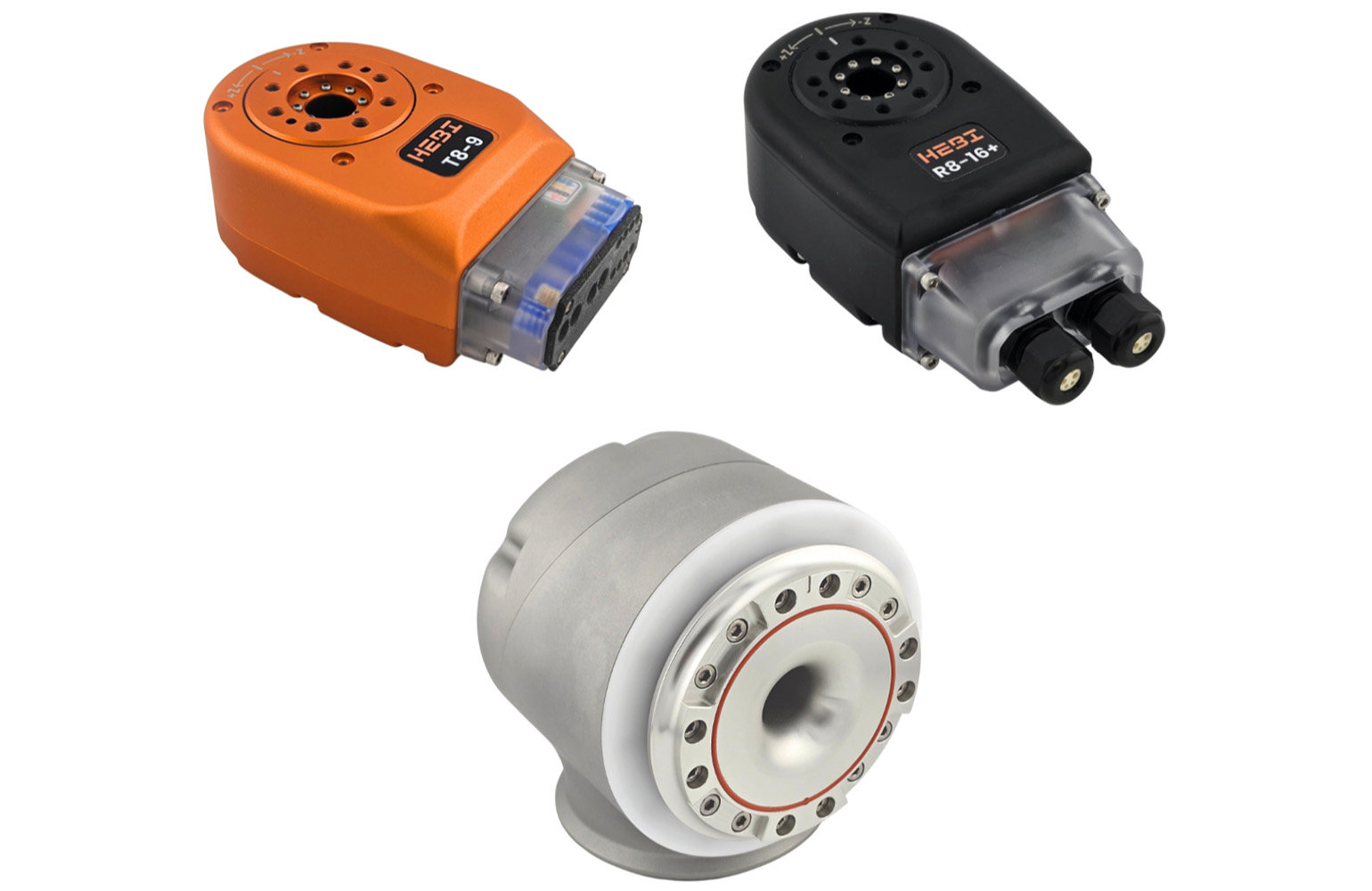
HEBI Robotics earns NASA SBIR grant to fast track miniaturized actuators
NASA SBIR money for HEBI’s miniaturized actuators is a bet that high‑performance motion control will get smaller and cheaper. If you’re building robots or precision hardware, track this class of components—they can unlock new form factors and price points faster than full‑stack robot breakthroughs.
 Robotics & Autonomy
DoorDash Sends Drivers to Restaurants Just to Load Food Into Delivery Robots
Using human drivers at ~$5 a task to babysit robots is a reminder that many autonomy deployments are still human-in-the-loop labor arbitrage. If you’re evaluating delivery or warehouse robots, model the full hybrid workflow cost—including handoffs and supervision—before assuming margin expansion.
 Robotics & Autonomy
China's Next AI Race Goes Beyond Chatbots
China leaning past chatbots into physical-world AI is a signal that the next competitive front is robotics, industrial systems, and infrastructure, not just LLM UX. Western operators with China exposure should map where their supply chains intersect with Chinese physical AI plays over the next 3–5 years.
 Robotics & Autonomy
Japanese startups are racing to enter defense drone production, as Tokyo seeks to cut reliance on Chinese industrial drones, which control 91% of Japan's market
Japan treating a 91% Chinese share of its industrial drone market as a strategic vulnerability is a reminder that autonomy hardware is now national infrastructure, not just a tooling choice. If your operations depend on foreign-origin drones or autonomy stacks, expect more localization pressure, security reviews, and procurement constraints over the next cycle.